


Amada Vista Cabernet Franc Malbec 2025
Cabernet Franc Blend13%
£15.99

Malbec got our attention. Altitude supplies the rest of the story.
Malbec has achieved a rare piece of restaurant magic: it can be ordered before anyone has properly opened the wine list and received by the whole table as a sound decision. It is generous, recognisable and particularly good at making a steak feel it has dressed for dinner.
That ease can disguise how much thought lies behind the bottle. Argentine vineyards climb Andean slopes, follow old irrigation channels through desert country and now extend from the high north to cold Patagonia and the Atlantic coast. Altitude, latitude and soil can pull Malbec from violets and red fruit towards blackberry, herbs, chalk and firm tannin.
Then there is everything that is not Malbec: fragrant Torrontés, juicy Bonarda, increasingly assured Cabernet Franc, mountain Chardonnay, old-vine Criolla and southern Pinot Noir. Malbec remains the invitation. Argentine wine has become a much longer conversation.


 and more, live from leading UK retailers
Argentine wine is wine grown chiefly in dry western regions beside the Andes, best known for Malbec but increasingly defined by altitude, detailed origin and a broad range of grapes.
The Andes shape almost everything. They create a rain shadow, provide snowmelt for irrigation and offer progressively cooler conditions as vineyards rise. Bright sun helps grapes ripen, while cold nights can preserve acidity and aroma. The old national description, hot country equals powerful wine, is therefore only half a thought. A vineyard in the Uco Valley or Cafayate may sit higher than many European mountains.
Mendoza is the centre of the industry and the name most British drinkers recognise. Within it, Luján de Cuyo, Maipú and the Uco Valley produce markedly different wines. Producers increasingly identify districts and smaller origins such as Gualtallary, alongside formally recognised Geographical Indications including Los Chacayes and Paraje Altamira, because soil, exposure and elevation matter more than a single provincial name can express.
Malbec arrived from France in the nineteenth century and found conditions in which it could become less severe, more aromatic and more immediately likeable. It now ranges from soft, plum-rich everyday red to floral, mineral and ageworthy wine. Bonarda Argentina, Cabernet Sauvignon, Cabernet Franc and Syrah widen the red field. Torrontés, Chardonnay, Sauvignon Blanc and Semillon do the same for whites.
Argentina is also looking backwards usefully. Old vineyards of Criolla Chica, Criolla Grande, Cereza, Moscatel and Semillon are being valued for flavour rather than dismissed as remnants of bulk production. The result is a wine culture becoming more exact about place without losing the generosity that made it popular.
Argentine wine commonly combines ripe, clear fruit with fresh acidity, while altitude, grape variety and region determine whether the result is plush, floral, herbal, stony or delicate.
Malbec usually gives plum and dark berries, a violet scent, medium to full body and tannins that are softer than Cabernet Sauvignon but firmer than Merlot. Warm lower sites tend towards generous black fruit and chocolate. Cooler or higher vineyards can bring red fruit, herbs, flowers, graphite and a chalky grip.
Cabernet Sauvignon supplies cassis, mint, cedar and structure. Cabernet Franc is one of the most exciting modern strengths, especially in the Uco Valley, where it can combine ripe raspberry and black fruit with dried herbs, graphite and freshness. Bonarda Argentina, also known as Corbeau or Douce Noire and unrelated to Italian Bonarda, is generally juicy, purple-fruited and easy around food.
Pinot Noir from Patagonia and other cool sites can be fragrant and light-footed. Syrah performs particularly well in San Juan and warm Mendoza, moving from blackberry richness to pepper and savoury spice. The poorest reds confuse ripeness with completion. The best know that fruit needs bones.
Torrontés is Argentina’s signature white grape, especially Torrontés Riojano. It smells dramatically of peach, jasmine, citrus peel and grapes, yet the wine is usually dry. Good examples keep that perfume brisk rather than allowing it to drift towards air freshener.
Chardonnay has become a serious high-altitude proposition. Cool Uco Valley sites can give lemon, white peach, flowers and saline or stony notes, with oak used for texture rather than disguise. Sauvignon Blanc is commonly citrusy and herbal, while old-vine Semillon can be waxy, textured and quietly distinguished.
Criolla whites and pale field blends are adding lighter, less polished styles to the picture. These wines often value freshness, modest extraction and immediate drinkability, making a useful case for Argentine wine with pizza, salads and fish as well as beef.
Malbec makes much Argentine rosé, giving strawberry, cherry and violet flavours with more colour and body than the palest Mediterranean models. Pinot Noir, Criolla and Syrah also appear. Dry styles are the norm at the more serious end, though sweetness varies.
Traditional-method sparkling wine has a long history in Mendoza, using Chardonnay and Pinot Noir as well as Chenin Blanc and local varieties. High vineyards help retain the acidity required for proper fizz. Tank-method sparkling wine provides a simpler, fruitier alternative.
Late-harvest Torrontés, Semillon, Sauvignon Blanc and Chardonnay can make fragrant sweet wines. Malbec and other red grapes occasionally produce fortified or naturally sweet styles. These are a smaller part of the national offer, but the combination of ripe fruit and mountain acidity can be persuasive.
Argentine wine regions run from extreme northern altitude to cold southern latitudes, with the Andes providing the main physical thread and increasingly specific origins providing the detail.
Mendoza is Argentina’s dominant wine province and the source of most bottles seen in Britain. Its dry climate, intense sunlight and Andean irrigation support Malbec, Cabernet Sauvignon, Chardonnay and almost every other major national grape. The useful question is no longer merely whether a wine comes from Mendoza, but where in Mendoza and at what altitude.
Luján de Cuyo and Maipú sit in Mendoza’s historic heartland, with mature vineyards and deep experience of Malbec. Luján de Cuyo has a Denominación de Origen Controlada for Malbec and is associated with plush fruit, perfume and polished tannin. Maipú combines traditional areas, old vines and warm conditions that suit Malbec, Cabernet Sauvignon and Bonarda.
The Uco Valley lies south of Mendoza city and includes Tupungato, Tunuyán and San Carlos. High vineyards, strong sunlight, cold nights and varied alluvial soils produce Malbec, Cabernet Franc and Chardonnay with notable freshness. Gualtallary and formally recognised GIs including Los Chacayes, San Pablo and Paraje Altamira increasingly tell the more precise story.
Southern Mendoza around San Rafael and General Alvear has a long-established, varied wine economy. Chenin Blanc, Cabernet Sauvignon, Malbec and Bonarda are important, with both everyday wines and more site-conscious bottles. San Rafael also holds DOC status, though the term remains less visible in Britain than the regional name.
San Juan is generally warmer and drier than Mendoza, with vineyards spread through valleys including Tulum, Zonda and Calingasta. Syrah is a particular strength, alongside Malbec, Bonarda and white varieties. Altitude and valley winds prevent the province from being one uniform source of heavy wine.
Pedernal Valley is a high San Juan region noted for limestone-rich soils and marked day-to-night temperature shifts. Malbec, Cabernet Sauvignon, Cabernet Franc and Chardonnay can show firm structure, freshness and mineral grip. The regional name is increasingly useful on labels because the wines taste distinct from warmer parts of the province.
Salta in the far north contains exceptionally high vineyards, with Cafayate and the wider Calchaquí Valleys at its centre. Torrontés is intensely floral and citrusy, while Malbec, Cabernet Sauvignon and Tannat can be dark, fragrant and structured. The atmosphere is dry and sunlit, but elevation supplies the cool nights.
Jujuy pushes viticulture into the dramatic Quebrada de Humahuaca, while Catamarca and La Rioja include high, arid valleys with long wine histories. Torrontés, Malbec, Syrah and Criolla varieties matter across the north-west. Famatina in La Rioja is an important source of Torrontés, despite the understandable potential for confusion with Rioja in Spain.
Río Negro and Neuquén form the established core of Patagonian wine. Río Negro’s old irrigated vineyards favour Pinot Noir, Malbec, Cabernet Franc, Semillon and Merlot, often with perfume and moderate weight. Neuquén is newer and windier, producing concentrated reds and fresh whites from desert vineyards.
Chubut extends Argentine wine into colder, more marginal country. Pinot Noir, Chardonnay, Riesling and Gewürztraminer benefit from long daylight and cool conditions, though frost and wind make viticulture demanding. The wines are a reminder that Argentine freshness does not always require altitude. Sometimes latitude has taken the job.
Atlantic vineyards in Buenos Aires province, notably around Chapadmalal, receive humidity, wind and maritime moderation unlike the arid Andes. Sauvignon Blanc, Chardonnay and Pinot Noir can be crisp and coastal in character. The area is small but conceptually important: Argentine wine no longer ends when the mountains do.
Argentine wine labels identify grape, vintage and increasingly precise origin, with official geographical categories and ageing terms offering useful but different kinds of information.
An Indicación Geográfica is a legally recognised geographical indication for wine from a defined Argentine area. It may name a province, department, valley or smaller district. More specific IGs such as Paraje Altamira and Los Chacayes help drinkers move beyond broad regional shorthand.
Denominación de Origen Controlada is the stricter origin category, with local production rules as well as a defined area. Luján de Cuyo and San Rafael are the principal established examples. DOC is not a national ladder above every IG bottle, and many outstanding wines use IG instead.
A wine naming one grape variety must contain at least 85% of that grape. The remaining portion can be used to adjust aroma, colour, tannin or balance. Malbec on the label therefore means Malbec leads decisively, not necessarily that it is alone.
Reserva is a regulated Argentine term for qualifying varieties and blends. Red Reserva wine must age for at least 12 months after becoming oenologically stable, while white and rosé Reserva require at least six months. The rule establishes time, not brilliance, so the producer and origin still matter.
Gran Reserva carries longer minimum ageing and additional production requirements. Under the current rules, red Gran Reserva requires at least 18 months, while white and rosé require at least 12 months. These periods are shorter than the Spanish rules attached to the same words, which is an excellent reason to read the country before the adjective.
Roble means oak and may indicate contact with oak in several forms. Barrica or criado en barrica indicates actual barrel use under Argentine labelling rules. Neither term tells you whether the oak was subtle, expensive or welcome.
High altitude is central to Argentine wine but is not, by itself, a quality rank. Look for a named region, district or vineyard and a stated elevation where supplied. A mountain number is most useful when it explains climate and style rather than decorating the back label.
Argentine wine is led by Malbec and Torrontés, with Bonarda, Cabernet varieties, Chardonnay and revived Criolla grapes providing an increasingly complete national range.
Malbec is Argentina’s signature grape, giving plum, blackberry, violet and spice with medium to full body. It can be soft and generous from warm sites or floral, herbal, stony and firmly tannic at higher, cooler origins.
Bonarda Argentina is the local name for Corbeau or Douce Noire, not the collection of Italian grapes also called Bonarda. It makes juicy, dark-coloured reds with plum, cherry and moderate tannin, ranging from easy drinking to serious old-vine wine.
Cabernet Sauvignon brings cassis, mint, cedar and ageing structure across Mendoza, Salta and San Juan. Cabernet Franc has become especially compelling in the Uco Valley, where ripe fruit, herbs, flowers and graphite can meet precise acidity.
Syrah thrives in warm, dry regions, particularly San Juan, and produces blackberry, pepper, smoke and spice. Cooler or higher sites can emphasise fragrance and savoury detail over sheer weight.
Pinot Noir is strongest in Patagonia, Chubut and cool high-altitude vineyards. It gives cherry, raspberry, flowers and earth in still wine and also contributes to traditional-method sparkling blends.
Torrontés Riojano is the principal aromatic white grape, strongly associated with Cafayate and La Rioja. Its peach, Muscat-like floral scent can suggest sweetness even when the wine is fully dry.
Chardonnay grows widely but achieves particular tension in high Uco Valley sites and cold Patagonia. Styles range from unoaked citrus and apple to barrel-fermented wines with stone fruit, lees texture and restrained toast.
Criolla Chica, also known as País or Mission, Criolla Grande, Cereza and other historic varieties connect Argentine wine to its earliest vineyards. Producers now use old vines for pale reds, rosé, orange wine and fresh field blends with modest tannin and considerable charm.
Cabernet Franc Blend13%

Chardonnay13%

Malbec12.5%

Cabernet Sauvignon14%

Malbec13.5%

Malbec Blend14.5%
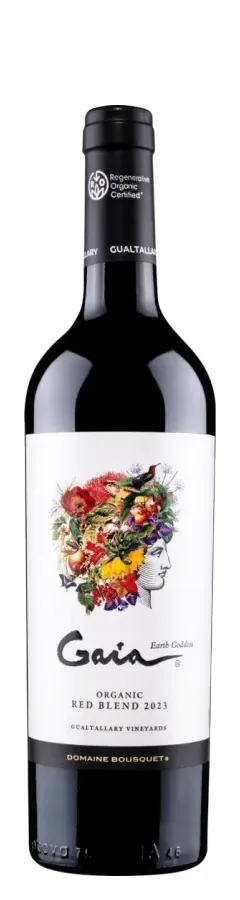
Malbec Blend14%

Malbec14%

Malbec14.5%


Chardonnay14%


Malbec13%
Argentine wine works naturally with grilled meat, but its aromatic whites, lighter reds and high-altitude acidity make the useful pairing range much wider.
Malbec and beef are famous together because ripe fruit and tannin meet char, salt and protein efficiently. The pairing is excellent, but compulsory repetition has made it sound like a border requirement. Torrontés with spice, Criolla with pizza and Chardonnay with fish offer equally practical ways into the country.
Argentine wine is far more than Malbec, although Malbec remains the grape that made regional ambition commercially possible.
Its success gave producers, importers and drinkers a common word. That matters. A grape that sells can finance better vineyards, more detailed soil work and the confidence to place unfamiliar origins on labels. Malbec did not crowd out all curiosity; in many cases it paid for it.
The next stage is visible in Cabernet Franc from the Uco Valley, Chardonnay from calcareous high sites, Pinot Noir and Semillon from Patagonia, Syrah from San Juan, Torrontés from Salta and pale wines from old Criolla vines. These are not side projects designed to prove versatility. They are increasingly clear answers to particular places.
Malbec itself has also escaped its old uniform. Compare warm, plush Luján de Cuyo with the floral tension and chalky tannin possible in Paraje Altamira or Gualtallary. The grape now explains difference rather than hiding it.
For British drinkers, the sensible route is not to abandon Malbec in search of novelty. It is to use Malbec as the map key, then follow altitude, district and producer towards the rest.
An Argentine wine beginner should try Mendoza Malbec, Cafayate Torrontés, Uco Valley Cabernet Franc, high-altitude Chardonnay and Patagonian Pinot Noir. Together they show ripe fruit, perfume, freshness and the effects of altitude and latitude.
Argentine wine is not always Malbec. Bonarda, Cabernet Sauvignon, Cabernet Franc, Syrah, Pinot Noir, Torrontés, Chardonnay, Sauvignon Blanc, Semillon and Criolla varieties all make important wines.
Argentine Malbec is normally dry, even when its ripe plum and blackberry fruit taste generous. Any residual sweetness should be stated or apparent from the style, but most still red Malbec is made as dry wine.
Argentine vineyards often use altitude to moderate strong sunshine and warm daytime temperatures. Cooler nights at elevation help grapes retain acidity, aroma and colour while the Andes provide snowmelt for irrigation.
Lighter Argentine Criolla, Bonarda and Pinot Noir can be served around 12-15°C. Full-bodied Malbec, Cabernet Sauvignon and Syrah are usually best around 16-18°C, below the temperature of many warm rooms.
Structured Argentine Malbec, Cabernet Sauvignon, Cabernet Franc, Chardonnay and some Semillon can age very well. Everyday fruit-led wines are intended for earlier drinking, so region, tannin, acidity, oak and producer guidance matter.
Argentine wine can offer strong value, particularly in regional Malbec, Bonarda, Torrontés and blends. Costs rise for remote high vineyards, low yields, old vines and imported bottles, so the cheapest examples do not represent the full national quality range.
IG means Indicación Geográfica, a legally protected Argentine wine origin. An IG may name a broad province or a smaller area such as Paraje Altamira, helping the drinker understand where the grapes were grown.
Argentine Malbec is commonly riper, more floral and softer in tannin than Malbec from Cahors in France. Site and winemaking can reverse the stereotype, and high-altitude Argentine examples may be fresh, structured and markedly savoury.
Argentine Malbec is excellent with steak, lamb and burgers, while Torrontés suits aromatic spice, Chardonnay works with fish and Bonarda handles sausages, pizza and grilled vegetables. The best pairing depends on the grape and weight of the wine.
Argentine wine is worth buying for Malbec at almost every level, fragrant Torrontés, increasingly fine Cabernet Franc and Chardonnay, old-vine Bonarda and the cool detail of Patagonia. It offers pleasure without requiring a briefing and enough regional depth to reward anyone who looks beyond the first familiar word.
The weaker bottles can be sweet-fruited, overripe or heavily oaked, and altitude sometimes appears as a marketing number rather than a meaningful origin. Buy the place as well as the grape. Malbec remains a dependable answer, but it no longer needs to answer every question.