


Lindeman's Bin 65 Chardonnay 750ml
Chardonnay13%
£8.00

Old vines, cool coasts and far more than muscular Shiraz.
Lamb fat hisses onto hot coals. A bowl of salad is losing an argument with the afternoon heat, and a bottle of Clare Valley Riesling keeps returning to the ice because everyone has understood the assignment. This is Australian wine in its natural habitat: beside food, among friends and not waiting for a special occasion to become useful.
Britain once knew the country chiefly through cheerful brands, ripe Chardonnay and Shiraz with the shoulders of a nightclub doorman. Those wines were real, and some were very good, but they never described the whole continent. Tasmania makes fine traditional-method sparkling wine. The Hunter Valley produces pale, low-alcohol Semillon that can age into toast and honey. Margaret River gives Cabernet Sauvignon maritime freshness, while Victoria turns out Pinot Noir, Chardonnay, Nebbiolo and fortified Muscat across an improbable range of climates.
Australian wine has always been more regionally articulate than its loudest exports suggested. The pleasure now is hearing the different accents.


 and more, live from leading UK retailers
Australian wine is a diverse, region-led wine culture spanning warm inland vineyards, cool ocean margins, high country and some of the world's oldest surviving vines.
The national map is continental in scale. Most fine-wine regions sit in the south, where the Southern and Indian oceans, altitude or both temper the heat. Western Australian vineyards cluster around the south-west. South Australian regions range from maritime McLaren Vale and elevated Adelaide Hills to the Barossa's warm floor and cooler Eden Valley. Victoria compresses alpine, coastal, continental and Mediterranean conditions into one state. New South Wales combines humid Hunter Valley, high Orange and broad inland Riverina, while Tasmania is cool enough to make sparkling wine a natural priority.
Australian wine does not have a European appellation ladder that prescribes grapes and methods for every region. Its Geographical Indications, or GIs, define protected places, while producers retain considerable freedom over varieties and winemaking. That freedom helped establish regional classics such as Hunter Valley Semillon, Clare Valley Riesling, Barossa Shiraz, Coonawarra Cabernet Sauvignon and Margaret River Chardonnay.
Shiraz remains the headline red grape, but its style changes markedly with place. Warm Barossa can produce dense blackberry fruit and supple richness. Heathcote often brings dark fruit and mineral firmness. Canberra District and Yarra Valley can give pepper, perfume and a lighter step. Calling all of it big Australian Shiraz is like describing every British meal as brown. There is supporting evidence, but the conclusion lacks curiosity.
The modern vineyard is also becoming more varied. Grenache, Mourvèdre, Mataro, Tempranillo, Sangiovese, Nebbiolo, Fiano, Vermentino and Assyrtiko suit particular warm and dry sites, often requiring less water than traditional international varieties. Meanwhile, Chardonnay and Pinot Noir have moved towards finer extraction, earlier picking and more restrained oak in cool regions.
Climate change makes this diversity more than a matter of fashion. Growers are adjusting vineyard sites, shade, rootstocks, water use, harvest timing and grape choice. Australian wine has no shortage of sunlight. The serious work is deciding how much of it reaches the glass.
Australian wine ranges from delicate citrus-led whites and fragrant Pinot Noir to full-bodied Shiraz, mature fortified wine and sparkling wine with brisk cool-climate acidity.
Shiraz can be plush, dark and full-bodied in Barossa and McLaren Vale, savoury and earthy in the Hunter Valley, or peppery and medium-bodied in cooler Victoria and Canberra District. Oak may add vanilla, smoke and spice, though the best examples let fruit, tannin and region finish the sentence.
Cabernet Sauvignon excels in Margaret River and Coonawarra, commonly showing blackcurrant, cedar, mint or dried herbs with firm but polished tannin. Grenache has returned as a serious dry red from old vines, particularly in South Australia, bringing red fruit, spice and fragrance without always chasing maximum weight. Pinot Noir thrives in Tasmania, Yarra Valley, Mornington Peninsula and other cool sites, where cherry, flowers, earth and fine tannin replace brute force.
The least interesting reds are merely ripe, alcoholic and heavily upholstered with oak. The best carry generosity without losing shape. There is a difference between comfort and being unable to leave the sofa.
Riesling from Clare Valley, Eden Valley, Great Southern and Tasmania is usually dry, high in acidity and vivid with lime, flowers and stony detail. It can age beautifully, developing toast, wax and honey while remaining fresh. Hunter Valley Semillon begins with lemon, grass and a remarkably light frame, then develops lanolin, toast and complexity in bottle without needing oak to supply the furniture.
Chardonnay varies from ripe peach and cashew to taut citrus, white flowers and flint. Margaret River combines concentration with firm acidity, while Yarra Valley, Mornington Peninsula, Adelaide Hills and Tasmania often favour precision and restrained oak. Sauvignon Blanc is fresh and herbal alone, or blended with Semillon in Margaret River for extra texture and longevity.
Warm inland regions produce accessible fruit-led whites at scale. These bottles matter to everyday drinking, although a low price cannot make neutral wine interesting by force of gratitude.
Tasmania leads traditional-method sparkling wine, with Chardonnay and Pinot Noir ripening slowly in a cool maritime climate. Adelaide Hills, Yarra Valley, Macedon Ranges and high parts of New South Wales also make serious bottle-fermented fizz. Styles range from clean citrus and apple to long-aged wines with bread, nuts and savoury depth.
Australian rosé has shifted away from residual sweetness and heavy colour towards dry, food-friendly styles. Grenache, Sangiovese, Shiraz, Pinot Noir and other red grapes can give strawberry, watermelon, blood orange, herbs and spice. Pale is a colour, not a professional qualification.
Rutherglen Muscat and Topaque are among Australian wine's most distinctive treasures. Fortified and matured through warm conditions, they develop extraordinary concentration of raisin, caramel, coffee, citrus peel and spice. Liqueur Muscat can be almost spoonable, yet acidity and savoury age keep the finest examples from becoming syrup.
Botrytis-affected Semillon and other late-harvest wines also appear, especially where autumn conditions permit noble rot. These styles have fallen outside everyday fashion, which is useful news for anyone who enjoys pudding wine more than market consensus.
Australian wine regions are shaped by ocean, altitude, latitude, soil and water, making regional name a much better buying clue than national stereotype.
Barossa includes the warm Barossa Valley and the higher, cooler Eden Valley within the wider zone. Barossa Valley is famous for old-vine Shiraz, Grenache and Mataro with dark fruit, spice and concentration, while Eden Valley excels with lime-scented Riesling and more fragrant Shiraz. Warmth supplies ripeness; vine age, elevation, soil and careful farming determine whether it becomes eloquence or volume.
McLaren Vale lies between the Mount Lofty Ranges and Gulf St Vincent, receiving cooling maritime influence across a varied landscape. Shiraz remains important, but old-vine Grenache and Mediterranean grapes including Fiano, Vermentino, Tempranillo and Sangiovese have sharpened the region's modern identity. The best reds combine ripe fruit with herbs, spice and coastal lift.
Adelaide Hills is an elevated, cool region rising above the city and warmer neighbouring districts. Chardonnay, Sauvignon Blanc, Pinot Noir and traditional-method sparkling wine are major strengths, joined by Grüner Veltliner, Pinot Gris and cool-climate Shiraz. Altitude is not decoration here. It slows ripening and preserves the acidity that warm South Australian days might otherwise spend.
Clare Valley pairs warm sunny days with cool nights, varied altitude and important limestone, slate and loam sites. Riesling is the regional signature, commonly dry and scented with lime, flowers and stone, while Shiraz and Cabernet Sauvignon can be substantial yet fresh. Watervale and Polish Hill River are useful names for drinkers exploring different local expressions.
Coonawarra is a narrow strip within South Australia's Limestone Coast, celebrated for Cabernet Sauvignon grown on terra rossa soil over limestone. The wines often show blackcurrant, cedar and mint with firm ageing structure. Neighbouring Padthaway, Wrattonbully, Mount Benson and Robe broaden the area with Shiraz, Chardonnay and other varieties under maritime influence.
The warm irrigated regions around the Murray, Murrumbidgee and Darling river systems produce much of Australian wine's affordable volume. Chardonnay, Shiraz, Cabernet Sauvignon, Colombard and Muscat remain important, while growers are increasingly working with heat- and drought-suited varieties. These regions are easy to patronise and difficult to replace: their central challenge is making viable wine with less water, greater heat and prices that still support the people growing it.
Margaret River occupies a maritime corner of Western Australia between the Indian and Southern oceans. Cabernet Sauvignon has blackcurrant, bay leaf and polished tannin; Chardonnay combines stone fruit, citrus and firm acidity; Semillon and Sauvignon Blanc make fresh or barrel-textured blends. Gravelly soils and ocean moderation help the region produce concentrated wine without the cooked edges its latitude might suggest.
Great Southern stretches across a large, cool part of southern Western Australia and contains subregions including Frankland River, Mount Barker, Porongurup, Denmark and Albany. Riesling, Shiraz, Cabernet Sauvignon, Chardonnay and Pinot Noir respond differently to inland altitude and coastal exposure. Frankland River and Mount Barker are particularly important for structured reds and citrus-led Riesling.
Hunter Valley is warm, humid and liable to rain at awkward moments, which makes its defining wines all the more remarkable. Semillon is picked early to make a pale, low-alcohol white that begins with lemon and grass, then develops toast and honey over years in bottle. Shiraz is typically medium-bodied, earthy and savoury, proving that a warm climate does not require a massive wine.
Yarra Valley lies near Melbourne and contains a wide spread of elevations, soils and local climates. Chardonnay and Pinot Noir lead the cool-climate reputation, alongside traditional-method sparkling wine, Cabernet Sauvignon and increasingly refined Syrah. The style tends towards perfume, acidity and moderate weight, especially from higher sites.
Mornington Peninsula is a maritime region south of Melbourne, surrounded by water and broken into slopes, valleys and exposures. Pinot Noir and Chardonnay dominate, offering red fruit, flowers, citrus, stone fruit and fine savoury texture. Ripening can be slow and disease pressure real, which is the less photogenic explanation for the delicacy in the glass.
Tasmania's cool maritime climate suits Chardonnay, Pinot Noir, Riesling and traditional-method sparkling wine. The north, east coast, Coal River Valley, Derwent Valley and southern areas differ in rainfall, wind and temperature, but long ripening and high acidity unite much of the best wine. Still Pinot Noir and Chardonnay now stand confidently beside the island's established fizz.
Australian wine labels use geographical, varietal and vintage information more readily than formal quality ranks, so provenance usually matters more than ceremonial wording.
A Geographical Indication is a legally protected place name used for wine from a defined country, state, zone, region or subregion. Barossa is a zone, while Barossa Valley and Eden Valley are regions within it. A GI certifies origin under the rules; it does not grade the wine.
South Eastern Australia is a very broad GI covering wine-growing areas across several states. It allows producers to blend fruit at useful scale and maintain a consistent style. The term can signal dependable everyday wine, but it tells you far less about flavour than a smaller region such as Clare Valley or Coonawarra.
When one grape variety, vintage or GI is named on an Australian label, at least 85% of the wine must support that claim. Multi-variety, multi-vintage and multi-region labels follow further listing rules. The Label Integrity Program creates the record trail behind these statements, which means the useful nouns on the front should not be creative writing.
Shiraz and Syrah are names for the same grape. Australian producers may choose Shiraz for fuller, riper or more traditionally local styles and Syrah for a peppery, restrained expression, but there is no legal taste test separating the words. Read the region, alcohol and producer description as well.
Old vine is not one universal Australian legal age category. Some regional schemes provide clearer definitions, notably the Barossa Old Vine Charter, which uses ascending age bands for mature vineyards. Elsewhere, the claim is most useful when the producer identifies the vineyard, planting history and grape. Vague seniority is less informative.
Traditional-method sparkling wine completes its second fermentation in the bottle and then ages on the lees before disgorgement. The method can add bread, biscuit and nutty flavours to the fruit and acidity. Tasmania is the national reference point, though several mainland cool regions also excel.
Apera is an Australian name used for fortified wines formerly described by the protected Spanish term Sherry. Topaque replaced the older name Tokay for fortified wine commonly made from Muscadelle, particularly in Rutherglen. The new vocabulary may lack inherited romance, but the liquid has lost none of its concentration.
Australian wine is defined by international varieties that have developed strong regional identities, supported by old plantings and a growing range of warm-climate grapes.
Shiraz, also called Syrah, is the signature red grape. It ranges from rich blackberry and liquorice in Barossa to savoury earth in the Hunter Valley and peppery perfume in cooler Victoria and Canberra District, with old vines preserving some of the country's deepest wine history.
See Shiraz winesCabernet Sauvignon is strongest in Margaret River and Coonawarra, producing blackcurrant, cedar, mint and dried-herb flavours with firm tannin. It also appears in South Australian, Victorian and Western Australian blends, sometimes with Shiraz rather than Merlot.
See Cabernet Sauvignon winesChardonnay grows from warm inland vineyards to Tasmania and changes accordingly. Fine regional examples from Margaret River, Yarra Valley, Mornington Peninsula, Adelaide Hills and Tasmania balance citrus or stone fruit with acidity, lees texture and increasingly measured oak.
See Chardonnay winesSemillon has a uniquely Australian expression in the Hunter Valley, where early picking creates light, unoaked wine capable of long bottle development. It is richer in Barossa and commonly blended with Sauvignon Blanc in Margaret River.
See Semillon winesAustralian Riesling is usually dry, high in acidity and marked by lime, lemon, flowers and mineral detail. Clare Valley, Eden Valley, Great Southern and Tasmania produce distinctive styles that can develop toast and honey over many years.
See Riesling winesPinot Noir performs best in cool regions including Tasmania, Yarra Valley, Mornington Peninsula, Macedon Ranges and Adelaide Hills. It gives cherry, raspberry, flowers, spice and earth in still wine and supplies structure to traditional-method sparkling blends.
See Pinot Noir winesGrenache and Mataro, also known as Mourvèdre, survive in important old vineyards, especially across South Australia. Grenache brings perfume and red fruit, while Mataro adds dark spice and tannin; both appear alone and with Shiraz in GSM blends.
Fiano and Vermentino retain acidity and flavour in warm, dry regions, making them increasingly useful. Assyrtiko, Grüner Veltliner, Tempranillo, Sangiovese, Nero d'Avola and Touriga Nacional are among the other varieties helping growers match grape to future climate.
Chardonnay13%

Durif

Merlot

Cabernet Sauvignon13.5%

Shiraz14%
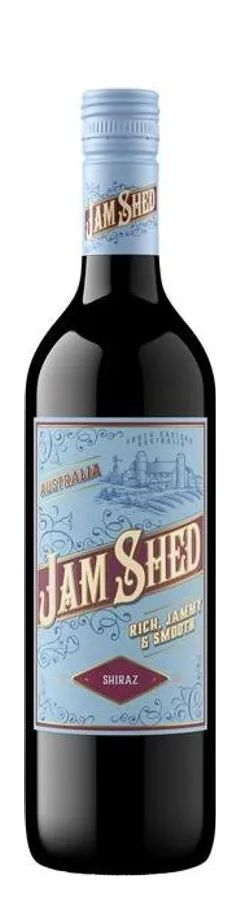

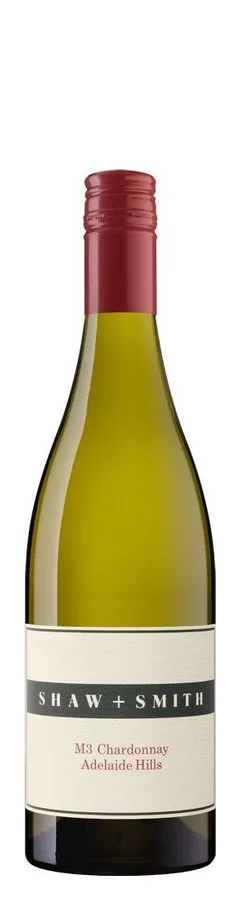
Chardonnay13.5%

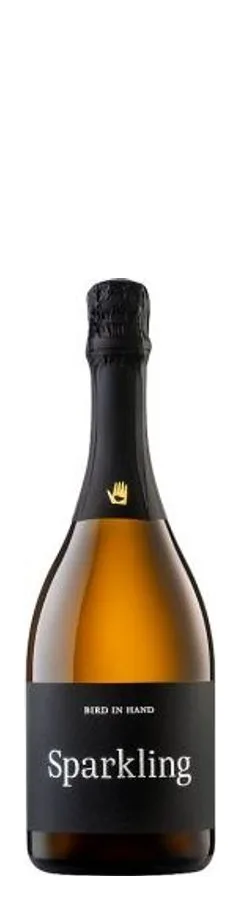
Pinot Noir Chardonnay12%

Cabernet Sauvignon13.9%

Grenache Shiraz Mourvedre15%

Shiraz15%

Cabernet Sauvignon13.5%
Australian wine suits grilled meat, seafood, spice and full-flavoured everyday food because the country's styles cover both ripe fruit and cleansing acidity.
The broad rule is simple. Warm-region reds like char and protein, cool whites like salt and seafood, and Riesling likes chilli far more than most tannic reds do. Fortified Muscat can manage Christmas pudding, blue cheese or a quiet glass after dinner, though attempting all three shows unnecessary commitment.
Australian wine is neither uniformly hot nor confined to Shiraz, because ocean influence, altitude and latitude create a wide range of growing conditions across the country's southern edge.
The old stereotype came from success. Ripe, branded Chardonnay and Shiraz travelled well, tasted generous and gave British drinkers reliable pleasure at accessible prices. Their scale made them visible. It did not turn Tasmania, Orange or Mornington Peninsula warm, nor did it remove Riesling, Semillon, Pinot Noir or Cabernet Sauvignon from the vineyard.
Regional Australian Shiraz alone defeats the argument. Barossa Valley can be rich and dark; Canberra District peppery and fragrant; Heathcote firm and mineral; Hunter Valley savoury and medium-bodied; Yarra Valley supple and cool-fruited. The grape changes with climate, soil, vine age and harvest decisions. It has no single national volume setting.
The more urgent question is how all these places adapt as conditions change. Earlier harvests, severe heat, drought, smoke and water pressure can threaten both yield and style. Higher vineyards, southern sites, canopy shade, better soil health, efficient irrigation and heat-tolerant varieties are practical responses, not lifestyle decoration.
Australian wine remains generous. It has simply become much clearer that generosity is best when accompanied by freshness, detail and enough restraint to invite a second glass.
A beginner should try Barossa Shiraz, Clare Valley Riesling, Margaret River Cabernet Sauvignon, Hunter Valley Semillon and Tasmanian sparkling wine. Those styles show Australian ripeness, freshness, regionality and ageing ability without asking one grape to represent a continent.
Australian wine is not always full-bodied. Hunter Valley Semillon, Clare Valley Riesling, Tasmanian sparkling wine, Mornington Peninsula Pinot Noir and cool-climate Chardonnay can all be light or medium in weight with prominent acidity.
Shiraz is the signature Australian wine grape, with long history and distinctive regional expressions. Cabernet Sauvignon, Chardonnay, Riesling, Semillon and Pinot Noir are also nationally important.
Australian Shiraz and Syrah are the same grape variety. Producers sometimes use Syrah to suggest a lighter, pepperier style, but the name alone does not legally define how the wine will taste.
Lighter Australian Grenache, Pinot Noir and juicy Shiraz can be served cool at about 12-15°C. Full-bodied Shiraz and Cabernet Sauvignon are usually best around 16-18°C, which is cooler than many centrally heated rooms.
Fine Australian Shiraz, Cabernet Sauvignon, Semillon, Riesling, Chardonnay and fortified wine can age for many years or decades. Simple fruit-led bottles are designed for earlier drinking, so price, region, structure and producer guidance matter more than nationality alone.
Most Australian table wine is dry, including most Shiraz, Chardonnay, Riesling and Cabernet Sauvignon. Sweet late-harvest wines and rich fortified styles such as Rutherglen Muscat also form an important part of the tradition.
Australian wine offers strong value from everyday regional blends through to serious single-region bottles. The cheapest brands can be simple, while famous old-vine and icon wines command high prices. Value often improves when the label names a useful region instead of relying only on a familiar brand.
A Geographical Indication, or GI, is a legally defined Australian wine place such as Barossa Valley, Margaret River or Tasmania. The term verifies where the grapes came from under label rules but does not rank quality.
Australian wine has no single equivalent. Cool-climate Pinot Noir and Chardonnay may appeal to drinkers of Burgundy, Cabernet from Margaret River can interest Bordeaux drinkers, and Barossa Shiraz may suit those who enjoy the Rhône or California, but the strongest examples express their own regions.
Australian wine is worth buying for regional Shiraz, ageworthy Semillon and Riesling, finely judged Chardonnay, Cabernet Sauvignon, Pinot Noir, traditional-method sparkling wine and fortified bottles of extraordinary concentration. Few national wine cultures move from pale 11% Semillon to old-vine Shiraz and liqueur Muscat with such confidence.
The weak spots are familiar. Anonymous bulk blends can be efficient but dull, and overripe fruit with conspicuous oak still appears at prices where subtlety was invited. Buy by region as well as grape. Australian wine becomes most interesting when the sunshine is treated as raw material rather than the finished argument.