


Myrtia Xinomavro Rosé
Xinomavro12%
£12.00

Ancient roots, modern nerve and grapes that refuse easy translation.
A tomato cut open in August needs only salt, olive oil and somewhere for the juice to go. Add feta, oregano and a cold glass of Assyrtiko, and the wine’s acidity does what a squeeze of lemon would have done, only with rather better prospects for the rest of the evening.
Greek wine begins in this relationship between heat, appetite and refreshment. It also reaches far beyond the sunlit island picture: mountain plateaux, cold northern slopes, volcanic soils, limestone, clay and sea winds give native grapes radically different places in which to work.
Britain once reduced the whole subject to resin. Modern Greece offers steely whites, fragrant reds, serious rosé, sweet wine, sparkling wine and, yes, a new generation of Retsina worth tasting without a comic soundtrack.


 and more, live from leading UK retailers
Greek wine is a diverse Mediterranean and continental wine tradition built around indigenous grapes, ancient regional identities and a confident modern focus on freshness and place.
The country’s map is a complication worth welcoming. Vines grow on Aegean and Ionian islands, the Peloponnese, central mainland slopes, high plateaux and the cooler north. Altitude and sea winds moderate summer heat. Mountains create continental conditions in places such as Amyndeon and Mantinia, while Santorini’s Assyrtiko survives wind, drought and volcanic sand through basket-trained vines close to the ground.
Assyrtiko is the leading white grape, producing concentrated, high-acid wine on Santorini and increasingly expressive styles elsewhere. Moschofilero is floral and light-footed, Malagousia is aromatic and generous, Savatiano has been rediscovered beyond basic Retsina, and Vidiano has emerged as one of Crete’s most persuasive whites.
The reds are equally distinctive. Xinomavro gives pale, tannic, high-acid wine with red fruit, tomato, olive and earthy complexity. Agiorgitiko from Nemea is darker, softer and more immediately fruity. Liatiko, Limnio, Mavrotragano, Kotsifali and Mavrodaphne enlarge the picture with island and regional voices.
Greek wine uses the European PDO and PGI framework. PDO, Protected Designation of Origin, applies the tighter geographical and production rules. PGI, Protected Geographical Indication, covers broader origins and generally allows more flexibility. Varietal Wine can state grape and vintage without claiming a protected geographical origin.
What matters now is not that Greece has suddenly discovered modern winemaking. It is that growers are using gentler extraction, subtler oak, revived native grapes and closer attention to vineyard sites to show more clearly what was already there.
Greek wine ranges from salty, citrus-driven whites to perfumed, savoury reds, with herbs, flowers, stone fruit and refreshing acidity appearing more often than simple sun-baked weight.
Santorini Assyrtiko is dry, intense and firmly acidic, with citrus, salt and a dense, mineral texture rather than loud perfume. Mainland Assyrtiko often shows more fruit. Moschofilero brings rose, citrus peel and fresh herbs; Malagousia offers peach, flowers and a rounder body; Savatiano can be gently herbal and waxy when grown and handled with care.
Crete adds Vidiano, which combines stone fruit, herbs and texture, and Dafni, whose bay-leaf aroma seems almost too well cast for Greek food. Robola from Cephalonia is brisk, citrusy and mineral, while Muscat from Samos provides aromatic dry wine as well as celebrated sweet styles.
Xinomavro is Greece’s sternest famous red grape, pale in colour but high in acidity and tannin. Young wines may show sour cherry, tomato leaf, olive and spice, then develop dried fruit, mushroom and earthy complexity. Its frequent comparison with Nebbiolo is useful, provided nobody mistakes a resemblance for an identity.
Agiorgitiko is generally darker and rounder, with plum, cherry, spice and softer tannin, though altitude in Nemea can bring freshness and structure. Crete’s Liatiko and Kotsifali make fragrant, warm-hearted reds, while Mavrotragano from Santorini can deliver dark fruit, mineral grip and considerable intensity.
Greek rosé can be pale and crisp or deeply coloured and savoury, with Xinomavro and Agiorgitiko both useful. Amyndeon’s cool conditions support sparkling wine, including bottle-fermented Xinomavro, while Moschofilero and Debina also contribute to fresh sparkling styles.
Sweet Greek wine includes Vinsanto from sun-dried Santorini grapes, Muscat from Samos and fortified Mavrodaphne. Retsina is dry wine flavoured with Aleppo pine resin during fermentation. Modern examples use fresher fruit and more measured resin, so the result can taste of lemon, herbs and pine rather than a recently varnished wardrobe.
Greek wine regions matter because altitude, island wind, northern cold and local grapes repeatedly overturn the idea of one uniformly hot Mediterranean vineyard.
Santorini grows Assyrtiko, Aidani and Athiri in volcanic ash, pumice and sand under fierce Aegean winds. Vines are traditionally trained into low baskets called kouloura, protecting the grapes and helping old, ungrafted plants survive in an exceptionally dry landscape. PDO Santorini includes powerful dry whites and the sweet, sun-dried Vinsanto style.
Naoussa in Macedonia produces PDO red wine from Xinomavro on the slopes of Mount Vermio. The wines are high in acid and tannin, capable of long ageing and savoury complexity. Higher, colder Amyndeon makes lighter red, rosé and sparkling expressions of Xinomavro around its lakes and plateau.
Nemea in the Peloponnese is the principal home of Agiorgitiko and one of Greece’s best-known red-wine PDOs. Vineyards rise from warmer valley floors to cooler mountain sites, allowing styles from soft, plummy and immediate to firmer, fresher and more ageworthy.
Mantinia sits on a high plateau in the central Peloponnese, where cool conditions suit the pink-skinned Moschofilero grape. PDO Mantinia whites are aromatic and fresh, commonly showing citrus, rose and herbs, and the same grape also works well in sparkling wine.
Crete has mountains, altitude, sea influence and one of Greece’s richest collections of local grapes. Vidiano, Dafni, Vilana and Thrapsathiri lead distinctive whites, while Liatiko, Kotsifali and Mandilaria produce reds whose warmth is increasingly balanced by fresher picking and gentler extraction.
Attica surrounds Athens and is historically associated with Savatiano and Retsina. Old bush vines, dry conditions and renewed attention to vineyard and cellar work now produce serious unresinated Savatiano as well as cleaner, more finely judged versions of the traditional resin-flavoured wine.
Drama and Kavala in eastern Macedonia are important modern wine areas, often operating through PGI designations and using both Greek and international grapes. Altitude and nearby mountains can preserve freshness, while varieties including Assyrtiko, Malagousia, Agiorgitiko and Limnio sit beside Sauvignon Blanc, Chardonnay, Syrah and Cabernet Sauvignon.
PDO Rapsani lies on the lower slopes of Mount Olympus in Thessaly and blends Xinomavro with Krassato and Stavroto. The result is savoury red wine with red fruit, herbs, acidity and structure, offering a regional form that should not be mistaken for Naoussa with two extra grapes.
Samos is an eastern Aegean island renowned for Muscat Blanc à Petits Grains, locally called Moschato Aspro. Mountain terraces and aromatic grapes produce floral dry wines and luscious sweet styles balanced by citrusy freshness.
Cephalonia, also written Kefalonia, is the principal home of Robola, a white grape that makes dry, lemony, mineral wine on the island’s limestone slopes. The wider Ionian group preserves other local grapes and styles, including Verdea on Zakynthos.
Epirus in north-western Greece is mountainous, cool and notably different from the island stereotype. PDO Zitsa uses the high-acid white Debina grape for still, semi-sparkling and sparkling wines with apple, citrus and a light herbal character.
Greek wine labels become easier when protected origin, grape variety and traditional style are separated from the country’s impressive alphabet.
PDO means Protected Designation of Origin. Greek PDO wine comes from a defined historical wine zone and follows authorised rules covering matters such as grape varieties, production area and wine style. Santorini, Naoussa, Nemea and Mantinia are prominent examples.
PGI means Protected Geographical Indication. Greek PGI wine comes from a broader named area and usually permits more freedom in grapes and methods than PDO, making the category important for both regional identity and experimentation.
Varietal Wine may state its grape variety and vintage after meeting the required controls, but it does not claim a PDO or PGI geographical origin. Wine of Greece is the broader category without protected regional status.
Retsina is a traditional Greek style made by adding natural Aleppo pine resin before or during alcoholic fermentation, then removing the resin after it has flavoured the wine. Savatiano and Roditis are common grapes, and geographically protected versions include Retsina of Attika, from the wider Attica region.
Vinsanto is a sweet PDO Santorini wine made from sun-dried grapes, led by Assyrtiko with traditional local white varieties. It is unrelated in law and identity to Italian Vin Santo, despite the space bar doing very little to help the beginner.
Nykteri is a traditional indication for a richer dry PDO Santorini style, historically connected with night-time harvesting and pressing. Modern Nykteri follows specific ripeness, alcohol and oak-ageing rules, and commonly shows more weight than standard dry Santorini.
Greek wine draws its clearest identity from native grapes whose names are initially awkward and whose flavours make the effort feel disproportionately well rewarded.
Assyrtiko originated on Santorini and combines high acidity with body and extract even in hot, dry conditions. It makes intense, salty dry whites on the island, fruitier mainland styles and long-lived sweet Vinsanto.
Xinomavro means acid black, an admirably direct warning about its structure. Naoussa, Amyndeon and Goumenissa are important homes for pale, tannic, savoury reds with sour cherry, tomato, olive and considerable ageing potential.
Agiorgitiko is the defining grape of Nemea. It gives deep colour, plum and cherry fruit, moderate acidity and generally softer tannin than Xinomavro, with higher-altitude sites capable of extra freshness and definition.
Moschofilero is a pink-skinned aromatic grape associated with Mantinia, producing floral, citrusy whites and sparkling wine. Roditis is widely planted and often blended, but lower yields and cooler sites can give crisp, lemony wine with more character than its workhorse reputation implies.
Malagousia was brought back from near disappearance and now makes peachy, floral, aromatic whites across Greece. Savatiano, long linked to Attica and Retsina, can produce subtle, herbal and textured dry wine without resin when old vines and careful growing are allowed to speak.
Vidiano is one of Crete’s leading white grapes, combining stone fruit, herbs, texture and fresh acidity. The red Liatiko produces pale, fragrant wine with red fruit, spice and an ability to make complex dry or sun-dried sweet styles.
Robola is the citrusy, high-acid white speciality of Cephalonia, particularly expressive on limestone soils. Muscat, especially Moschato Aspro on Samos, is intensely floral and grapey, working in dry, sweet and fortified forms.
Xinomavro12%


13.5%

Assyrtiko13%

11.5%


Assyrtiko12.5%

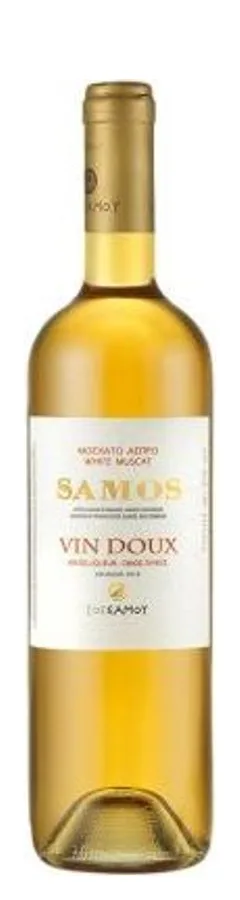
Moscatel15%


Malagousia13%


Assyrtiko & Malagouzia11.5%

12.5%

Assyrtiko12.5%
Greek wine is shaped by the table, with high acidity, herbs, salt and savoury flavours making it useful for both regional dishes and an ordinary British supper.
Acidity is the reliable guide. Assyrtiko handles lemon, salt and oily fish; Moschofilero suits herbs and fresh cheese; Xinomavro takes roast meat and mushrooms; Agiorgitiko prefers softer, warmer flavours. Good Retsina belongs with garlic, fried vegetables and smoky food, where pine becomes seasoning rather than furniture polish.
Greek wine is no longer defined by Retsina, but well-made Retsina deserves a place inside the modern story rather than being expelled from it.
For many British drinkers, the old memory is of coarse white wine with enough resin to waterproof a fishing boat. That experience was real. It was not the entire tradition, and it is an increasingly poor guide to current bottles.
Modern producers use healthier fruit, controlled fermentation and a more measured resin character. Old-vine Savatiano and fresh Roditis can provide enough lemon, herbs and texture to make the pine note feel integrated. The best examples are dry, brisk and highly effective with salty, garlicky or fried food.
Meanwhile, Greek wine has become internationally visible through Assyrtiko, Xinomavro, Agiorgitiko, Moschofilero and a widening group of revived regional grapes. The progress lies in confidence, not disguise: less unnecessary oak, less extraction for display, and more attention to altitude, vineyard and local identity.
Retsina did not need to be erased for Greece to move forward. It needed to be made well and returned to the table on honest terms.
A beginner to Greek wine could start with Assyrtiko for white, Agiorgitiko from Nemea for a rounded red and Xinomavro for something more structured. Moschofilero adds an aromatic white, while a carefully made Retsina can wait until dinner has supplied garlic and confidence.
Most Greek table wine is dry, including Assyrtiko, Xinomavro, Agiorgitiko and Moschofilero styles. Greece also makes sweet Vinsanto, Samos Muscat and Mavrodaphne, so the region and style remain important.
Assyrtiko commonly tastes of lemon, salt, stone and restrained stone fruit, with high acidity and a firm texture. Santorini Assyrtiko is especially concentrated and mineral, while mainland versions may show more obvious fruit.
Xinomavro and Pinot Noir can both be pale and aromatic, but Xinomavro usually has firmer tannin, higher acidity and more savoury tomato, olive and earthy notes. Nebbiolo is the more common comparison, though Xinomavro remains distinctly Greek.
Retsina tastes of pine because Aleppo pine resin is used during fermentation, but intensity varies greatly. Modern Retsina often balances gentle resin with lemon, herbs and fresh acidity rather than allowing pine to occupy the entire building.
Greek red wine is best served below a warm room temperature. Lighter Liatiko or young Agiorgitiko can suit 13-15°C, while structured Xinomavro and fuller Nemea reds are generally comfortable around 15-18°C.
Fine Assyrtiko, Xinomavro, structured Agiorgitiko, Vinsanto and other concentrated sweet wines can age for many years. Most fresh rosé, Moschofilero and simple young whites are intended for earlier drinking, preferably with food already present.
Greek wine has no single equivalent. Assyrtiko may attract drinkers of Chablis or Etna Bianco, Xinomavro those who enjoy Nebbiolo or savoury Sangiovese, and Agiorgitiko drinkers of soft southern Italian or Spanish reds.
Greek wine can offer excellent value among mainland whites and reds, lesser-known native grapes and regional PGI wines. Santorini’s limited, demanding vineyard and the country’s rarest bottles can be expensive, so value often lies one region or grape beyond the famous name.
Greek wine is worth buying because it offers flavours and structures that cannot be replaced by another row of international grapes. Assyrtiko, Xinomavro, Agiorgitiko and Moschofilero are not historical curiosities. They are practical, food-loving modern wines with clear regional identities.
Pronunciation is the only entry fee, and even that is waived once the bottle is open. Buy for acidity, altitude and native grapes rather than inherited assumptions. Greece has been making wine for millennia, but its strongest argument is what it puts beside dinner now.