


Vilarissa Grande Reserva 2024
Red blend
£30.00

An Atlantic cellar full of grapes nobody else thought to keep.
Portugal does not need to seduce you with grand gestures. It puts grilled sardines on a plate, pours something cold, sharp and local into a small glass, and lets the Atlantic do the rest.
British familiarity has largely been conducted through Port, a magnificent wine that has nevertheless behaved like a famous relative monopolising the family story. Beyond it lies a country of fresh whites, structured reds, pale coastal wines, mountain vineyards and hundreds of local grape names waiting to make the back label look like a spelling test.
The effort is generously repaid. Portuguese wine has distinctiveness, food sense and, very often, value.


 and more, live from leading UK retailers
Portuguese wine is a diverse family of wines shaped by Atlantic coasts, inland heat, mountain altitude and an exceptional inheritance of native grapes.
The narrow map is deceptive. Vinho Verde in the damp north-west can produce light, citrusy whites, while the Douro’s schist terraces yield both Port and powerful dry reds. Dão uses granite uplands for fragrant, structured wines; Alentejo offers broad, sun-filled generosity; Madeira and the Azores add volcanic islands to an already crowded conversation.
Portugal’s grapes provide the strongest sense of identity. Touriga Nacional, Touriga Franca, Baga, Castelão and Trincadeira lead important reds. Alvarinho, Loureiro, Arinto, Encruzado and Fernão Pires give the whites very different forms of fruit, fragrance and acidity.
Labels use DOP, Denominação de Origem Protegida, often alongside the traditional DOC wording, Denominação de Origem Controlada. IGP wines may appear as Vinho Regional and allow broader geographical rules. Neither category replaces the useful work of tasting and judgement.
Portuguese wine moves from sea-bright citrus and flowers to dark berries, herbs, spice, nuts and the deep sweetness of fortified wine.
Douro reds are commonly deep, ripe and structured, using Port grapes in an unfortified form. Dão often brings more lift, perfume and granite-influenced freshness. Baga from Bairrada can be tart, tannic and brilliantly ageworthy, while Alentejo reds tend towards softer, warmer fruit.
Vinho Verde ranges from feather-light blends to serious Alvarinho and Loureiro. Arinto preserves acidity in warm places and can taste lemony and mineral. Encruzado gives Dão whites with breadth, freshness and an ability to handle oak without becoming a piece of furniture.
Port spans ruby fruit, vintage structure and the nutty, mellow complexity of wood-aged tawny styles. Madeira combines searing acidity with flavours that may include citrus peel, nuts, caramel and spice. Bairrada is an important source of traditional-method sparkling wine, helped by its naturally fresh grapes.
Portuguese wine regions make sense when viewed as a conversation between Atlantic freshness, inland heat, altitude and local grapes.
The Douro valley is a steep landscape of schist terraces following the river east from Porto. It produces Port and increasingly important dry reds and whites, often from field blends of native grapes.
Vinho Verde covers the green north-west, where Atlantic rain and granite soils favour high acidity and aromatic whites. The name means young or green wine, not a colour, and the region can produce far more than lightly spritzy picnic bottles.
Dão sits on a granite plateau protected by mountains. Touriga Nacional and Encruzado can make refined, fragrant wines with acidity and structure, proving that Portuguese ripeness need not arrive wearing heavy boots.
Bairrada lies near the Atlantic between Dão and the coast. Its clay-limestone soils suit the red Baga grape, while cool conditions also support white and sparkling wine.
Alentejo spreads across the warm south in rolling plains and varied sub-regions. Reds are often ripe and generous, but altitude, old vines and more restrained winemaking can introduce welcome freshness and detail.
Lisboa runs north of the capital along an Atlantic-influenced corridor of hills and valleys. It makes a broad range of wines, with coastal freshness and generally approachable pricing giving it particular everyday relevance.
Tejo follows the Tagus river through central Portugal. Fertile river plains coexist with poorer limestone and sandy sites, producing accessible wines alongside increasingly site-conscious examples.
Setúbal lies south of Lisbon and is particularly known for fortified Moscatel de Setúbal. The peninsula also makes dry reds and whites, with Castelão historically important in the sandy soils of Palmela.
Madeira’s fortified wines gain remarkable stability and complexity through heat and oxidative ageing, always held upright by fierce acidity. The Azores produce taut, saline wines from volcanic soils in an Atlantic environment that appears to have been designed by someone testing the vines’ commitment.
Portuguese labels become much friendlier once a few recurring words are translated.
DOC is Portugal’s traditional controlled-origin wording, while DOP is the corresponding European protected designation. The category links wine to a defined place and production rules covering matters such as permitted grapes and methods.
IGP identifies wine from a broader protected geographical area and may appear as Vinho Regional. Its rules are more flexible than DOP, which can allow producers to use grapes or approaches excluded by a stricter appellation.
Quinta means a wine estate or property and is especially common in northern Portugal. Herdade serves a similar purpose in the south, particularly Alentejo. Neither word alone guarantees quality, any more than a brass plaque guarantees a good hotel.
Branco means white, Tinto means red and Rosado means rosé. Seco means dry, Doce means sweet and Meio Seco means medium dry.
Colheita means harvest or vintage. On tawny Port it has a more specific meaning: a wood-aged wine from a single stated year.
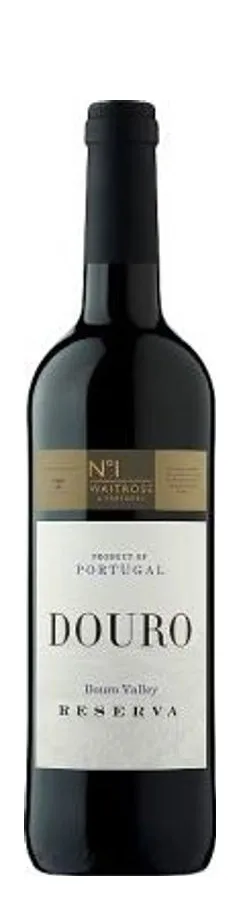
Reserva is a regulated quality designation for certified wine, while Garrafeira carries defined minimum ageing requirements and must state a vintage. These terms work within Portuguese rules and should not be assumed to mean exactly what similarly named categories mean elsewhere.
Portuguese wine derives much of its character from indigenous varieties preserved through local blends and regional loyalty.
Touriga Nacional supplies perfume, dark fruit, colour and structure in the Douro and Dão. Touriga Franca is especially important in Douro blends, contributing floral aroma, fruit and balance.
Baga is the stern, high-acid red grape of Bairrada, capable of cherry fruit, earthy complexity and long ageing. Handled without care it can feel combative; handled well it becomes compelling.
Castelão is associated particularly with the Península de Setúbal and can give red fruit, herbs and firm freshness. Trincadeira thrives in warmer regions such as Alentejo, bringing dark fruit, spice and useful acidity.
Alvarinho makes concentrated, peachy, citrus-led whites, notably around Monção and Melgaço. Loureiro is highly aromatic, often floral and herbal, and is central to many fresh Vinho Verde blends.
Arinto is valued across Portugal for its lemony acidity, particularly in warm conditions. Encruzado is Dão’s distinguished white grape, combining texture, mineral freshness and impressive ageing potential.
Red blend

Arinto 50%, Fernão Pires 40%, Alvarinho 10%12%

Touriga Nacional-based blend

Castelão-based blend

20%
Touriga Franca Touriga Nacional Tinto Roriz13.5%

Touriga Nacional13%

12.5%

13%


Albariño12.5%


13%

13.5%
Portuguese wine is built for the table, with acidity, savoury flavours and regional variety doing most of the useful work.
The easiest rule is regional and practical: fresh coastal whites with fish, structured inland reds with meat and mushrooms, fortified wines with cheese, nuts or pudding. Portuguese wine rarely needs a laboratory pairing when supper will do.
Portuguese wine extends far beyond Port and the lightest styles of Vinho Verde, although both remain excellent doors into the country.
Dry Douro wine, ageworthy Dão, Baga from Bairrada, Atlantic Lisboa, volcanic island whites and the revival of old field blends have made the wider landscape increasingly visible. Vinho Verde itself now includes serious sub-regional and single-variety wines, particularly from Alvarinho and Loureiro.
The profusion of grape names can slow recognition in export markets. It is also the source of the excitement. Portugal retained difference while much of the wine world was planting a more internationally pronounceable wardrobe.
Vinho Verde is a protected region in north-west Portugal, not a wine colour. The name refers to youthful wine, and the region makes white, red and rosé styles, from very light bottles to serious Alvarinho.
Most Portuguese table wine is dry. Port, Moscatel de Setúbal and some Madeira styles are fortified and may be sweet, so the category matters more than the nationality.
A beginner could try a dry Vinho Verde or Alvarinho, a Dão red and a ten-year-style tawny Port. Those choices reveal freshness, savoury red-wine structure and the country’s skill with fortified wine.
Portuguese red wine is usually best below warm room temperature. Lighter reds can be served around 13-15°C, while fuller Douro or Alentejo reds suit roughly 16-18°C.
Fine Douro, Dão and Bairrada reds, structured whites, vintage Port and Madeira can age exceptionally well. Most simple young wines are made for prompt drinking, which is not a defect but an instruction.
Port is a fortified wine from the Douro demarcated region, while Douro wine usually means unfortified red, white or rosé from the same broad valley. They can use many of the same grapes but follow different production rules and reach different alcoholic strengths.
Portuguese wine is too varied for one comparison. Dão reds may appeal to lovers of refined Syrah or Sangiovese, Alvarinho to Albariño drinkers, and structured Douro reds to those who enjoy ripe Rhône or Spanish blends.
Portuguese wine often offers strong value because excellent local grapes and regions remain less internationally famous than their quality warrants. Celebrated Port, Madeira and scarce old-vine wines can command serious prices, but everyday discovery remains unusually rewarding.
Portuguese wine is worth buying for its combination of freshness, depth, food sense and unapologetic local identity. Port and Madeira are not dusty obligations but singular achievements, while the unfortified wines offer an entire country’s worth of exploration.
Learn three grape names, then stop worrying and order dinner. Portugal has guarded its vinous biodiversity rather better than most of us guard a password, and the result is considerably more pleasurable.