


Acacia Road Chenin Blanc 2024/25, South Africa
Chenin Blanc11%
£8.00

Old vines, ocean winds and a braai that needs Chenin.
Smoke from the braai moves sideways because the Cape wind has opinions. Lamb chops hiss over coals, snoek is being basted, bread waits beside tomato relish and a cold glass of Chenin Blanc tastes of apple, quince and sunlight held together by acidity.
A braai is more than a barbecue, but appetite is a useful place to begin. South African wine moves easily across fire, spice, seafood and slow-cooked meat. Chenin Blanc can be brisk or profound, Pinotage can smell of cherries rather than an ashtray, and Cabernet Sauvignon, Syrah, Chardonnay and Sauvignon Blanc change markedly between mountain, valley and ocean-cooled vineyard.
The country carries a long, difficult wine history and an exhilarating modern one. Old vines are being protected, regions are being understood with greater precision and a wider range of growers is claiming authorship and ownership. The best bottles offer ripe fruit without slackness, landscape without costume and some of the most persuasive value in serious wine. Bring food. South African wine rarely sees the point of arriving alone.


 and more, live from leading UK retailers
South African wine is a Cape-centred wine tradition combining warm sunlight, cooling oceans, ancient soils, old vines and a distinctive mix of local and international grapes.
Most vineyards lie in the Western Cape, where the Atlantic and Indian oceans cool otherwise warm Mediterranean conditions. The Benguela Current sends cold water up the west coast, while the Cape Doctor wind moves air through coastal vineyards. Mountains create slopes, shade and dramatic differences over short distances. Granite, shale, sandstone and clay each influence drainage, vigour and the shape of the wine.
Chenin Blanc is the country's great white asset. Known historically as Steen, it can make inexpensive fresh wine, traditional-method sparkling wine, sweet wine and profound dry whites from old bush vines. Cabernet Sauvignon and Syrah thrive in warmer districts and mountain sites. Sauvignon Blanc and Chardonnay excel where ocean wind or altitude preserves acidity, while Cinsaut, Grenache, Semillon, Colombard and Palomino have found renewed purpose in old vineyards and new blends.
Pinotage is the national crossing, created in Stellenbosch in 1925 from Pinot Noir and Cinsaut, then locally called Hermitage. At its worst it helped build an unfortunate reputation for burnt rubber and brute force. At its best it gives plum, cherry, blackberry, spice and savoury depth, from fragrant lighter wines to structured bottles capable of ageing.
The first recorded Cape wine was made in 1659 under Dutch colonial rule. Constantia later became celebrated for sweet wine in Europe. That history also rests on dispossession, enslaved labour and, later, apartheid systems that shaped land ownership, opportunity and working conditions. Democratic South Africa opened international markets and a new creative period after 1994, but transformation and fair participation remain continuing work rather than a completed paragraph.
The modern quality story includes site-specific Wine of Origin labels, independent growers, old-vine preservation, lighter extraction, earlier picking and renewed attention to drought resilience. South African wine no longer needs to choose between ripe New World fruit and Old World structure. The Cape has enough history, geology and confidence to speak in its own voice.
South African wine commonly combines ripe fruit with savoury detail and fresh structure, with climate and site creating a wider range than the sunny latitude implies.
Chenin Blanc runs from crisp, inexpensive citrus and apple styles to concentrated old-vine wine with quince, peach, honey, lanolin and mineral or saline detail. Oak, lees ageing and blending with varieties such as Roussanne, Grenache Blanc, Viognier, Semillon or Verdelho can add breadth without sacrificing freshness.
Coastal Sauvignon Blanc can show lime, gooseberry, herbs and a salty edge, particularly around Constantia, Durbanville, Elim and other cool sites. Chardonnay ranges from taut citrus-led wine in Elgin and the Cape South Coast to richer peach and toast in warmer districts. Old-vine Semillon can be waxy and ageworthy, sometimes joined by its red-berried mutation, Semillon Gris.
Colombard and Palomino were once associated mainly with distillation or bulk production, but careful growers now use old vines for bright, textural whites. South Africa is particularly good at reminding grapes that a modest employment history need not determine the rest of their lives.
Stellenbosch Cabernet Sauvignon is a national benchmark, combining blackcurrant, plum, cedar and firm tannin with herbal freshness. Bordeaux-style blends add Merlot, Cabernet Franc, Petit Verdot or Malbec. Syrah can be dark and peppery in warmer sites or fragrant and red-fruited in cooler ones, while Swartland blends often bring Grenache, Cinsaut and Mourvèdre into the conversation.
Pinotage varies more than its old caricature admits. Juicy examples emphasise cherry and plum, while serious versions add blackberry, spice, earth and firm structure. Cinsaut makes fragrant, lighter reds and gives lift to blends. Pinot Noir performs best in cool districts such as Walker Bay and Elgin, producing red fruit, flowers and earthy restraint.
Oak once had a tendency to enter some South African reds before the fruit had been introduced. Better vineyard selection, subtler extraction and more restrained barrels have shifted the emphasis towards place, perfume and drinkability.
Rosé comes from Pinotage, Cinsaut, Grenache, Syrah and other grapes, generally in a dry, fruit-led style. Cinsaut and Grenache also support a welcome revival of lighter reds that can be served cool. These wines suit warm weather, spiced food and anyone who has had enough of red wine behaving like garden furniture.
Cap Classique is South African sparkling wine made by a second fermentation in the bottle. Chardonnay and Pinot Noir are common, though Chenin Blanc, Pinotage and other grapes also appear. Styles range from brisk and citrusy to long-aged wines with toast, cream and hazelnut.
Robertson, Stellenbosch, Franschhoek and cooler coastal districts all contribute. The method supplies complexity, but successful bottles still depend on ripe, balanced base wine and patient lees ageing rather than bubbles being asked to perform emergency repairs.
South Africa has a historic sweet-wine tradition led by Constantia, Muscat varieties and naturally concentrated grapes. Chenin Blanc also makes botrytised and late-harvest styles with apricot, honey and acidity. Fortified reds and whites continue in several regions, though protected European names such as Port are no longer the correct language for South African labels.
South African wine regions are organised by the Wine of Origin system, but mountain, wind, ocean exposure and individual ward often matter more than distance on the map suggests.
Stellenbosch is the country's most famous fine-wine district, set among granite and sandstone mountains east of Cape Town. Cabernet Sauvignon, Bordeaux blends, Chenin Blanc, Chardonnay, Syrah and Pinotage all matter. Wards including Simonsberg-Stellenbosch, Jonkershoek Valley, Polkadraai Hills and Bottelary show why the district is better understood as a family of slopes and exposures than one flavour.
The Cape Town district includes Constantia, Durbanville, Philadelphia and Hout Bay, all influenced by the Atlantic but divided by mountain and aspect. Constantia is historic sweet-wine country and now excels with Sauvignon Blanc, Semillon and cool reds. Durbanville's rolling hills produce aromatic Sauvignon Blanc and structured reds within sight of a city that does not always appear to deserve such convenient vineyards.
Paarl is warmer and inland, with granite mountains and a broad range from Chenin Blanc and Chardonnay to Shiraz and Cabernet Sauvignon. Franschhoek Valley sits within the wider region and is known for traditional-method sparkling wine, Chardonnay, Semillon and red blends. Mountain shade and elevation create cooler pockets inside a generally generous climate.
Swartland changed its reputation from grain country and bulk grapes to one of South Africa's most influential sources of old-vine and low-intervention wine. Granite around Paardeberg, shale near Riebeek and iron-rich soils elsewhere support Chenin Blanc, Syrah, Grenache, Cinsaut and Mediterranean white grapes. Dry farming, bush vines and restrained cellars have become important tools, though none excuses a dull wine.
Tulbagh is a mountain-ringed district north of Paarl, with warm days, varied soils and cooler high sites. Shiraz, Chenin Blanc, Chardonnay and sparkling wine all perform well. The surrounding ranges create a basin, but airflow and slope determine whether warmth becomes concentration or merely heat.
Breedekloof and Worcester lie in the Breede River Valley, where dry conditions, irrigation and mountain systems support substantial viticulture. Chenin Blanc, Colombard and other whites are central, alongside approachable reds and sweet or fortified styles. Old vines and better site selection are revealing more detail than the districts' large-volume reputation once allowed.
Robertson is known for limestone-rich soils, warm dry days and the moderating influence of the Breede River and mountain breezes. Chardonnay and Cap Classique are notable strengths, joined by Sauvignon Blanc, Chenin Blanc, Shiraz and Cabernet Sauvignon. The wines can combine ripe fruit with a clean mineral line when yields and oak remain reasonable.
Elgin is a high, cool basin near the Atlantic, traditionally associated with apple orchards. Sauvignon Blanc, Chardonnay, Pinot Noir and Riesling retain vivid acidity and perfume here. The best wines show that South African sunshine can arrive wearing a coat.
Walker Bay receives strong maritime influence around Hermanus, while the Hemel-en-Aarde wards climb inland through a sequence of valleys and ridges. Pinot Noir and Chardonnay lead, with Sauvignon Blanc and Syrah also important. Clay-rich shale, sandstone-derived soils and ocean wind support some of the country's most precise cool-climate wines.
Cape Agulhas lies near Africa's southern tip, exposed to persistent wind and the meeting influence of two oceans. Elim is particularly known for pungent, saline Sauvignon Blanc, with Semillon and Syrah also showing promise. Ripening is slow by Cape standards, and the wines often have more herbs and sea spray than tropical weight.
The Olifants River region stretches north through warm, dry country, with irrigation supporting vineyards along the river. Higher sites in Citrusdal Mountain and coastal influence around Lutzville can produce fresher Chenin Blanc, Sauvignon Blanc, Grenache and Syrah. Important old-vine parcels survive here, often on sandy or mountainous ground.
The Klein Karoo is a dry inland landscape historically associated with Muscat, fortified wine and brandy, but it also produces table wine from Calitzdorp, Montagu and surrounding districts. Farther north, vineyards along the Orange River specialise in warm-climate grapes, sweet wine and large-scale production. Both areas depend heavily on water, making drought and responsible irrigation central rather than decorative sustainability language.
South African wine labels use regulated origin, grape, vintage and sustainability terms alongside a small collection of distinctive local styles.
Wine of Origin certifies that grapes came from the geographical area named on the label and that the wine met the certification requirements. The scheme began in 1973 and provides the main legal map for South African wine.
The Wine of Origin hierarchy moves from broad geographical units through regions and districts to smaller wards. A ward is intended to identify an area with shared natural features, though producer and vineyard remain important. Smaller is more precise, not automatically better.
Single Vineyard Wine comes from one registered vineyard unit. It is South Africa's most specific origin claim and can be valuable where soil, slope and vine age give a recognisable result. The phrase describes provenance, not a guarantee that the vineyard had an inspired week.
Estate Wine is produced within a registered estate unit under the relevant Wine of Origin rules. The grapes and production are tied to that estate, giving a closer relationship between farming and cellar than a broad regional blend.
Cape Blend commonly describes a red blend containing a meaningful proportion of Pinotage, often alongside Cabernet Sauvignon, Merlot, Shiraz or other varieties. It is an established style term rather than a single protected recipe, so the blend can range from juicy and modern to structured and ageworthy.
Cap Classique means sparkling wine made by the traditional process of secondary fermentation in bottle. It may use Chardonnay, Pinot Noir, Chenin Blanc, Pinotage or other permitted grapes. The term identifies method and national origin, not sweetness level.
The Certified Heritage Vineyard seal identifies wine connected to a registered South African vineyard aged at least 35 years. The Old Vine Project uses certification to protect veteran vines and improve their economic future. Age alone does not make great wine, but it tells the buyer that the farming inheritance is real rather than written by the marketing department.
South Africa's official seal supports traceability and indicates compliance with certification and audited environmental production standards. Its code can connect the bottle to origin, variety, vintage and production information. Sustainability remains a continuing practice, not absolution delivered by a sticker.
South African wine is led by Chenin Blanc, Cabernet Sauvignon and Pinotage, with Syrah, Sauvignon Blanc, Chardonnay and old-vine Mediterranean grapes adding breadth.
Chenin Blanc, historically called Steen, is South Africa's most versatile signature grape. It produces fresh apple-led wine, old-vine dry whites with quince, wax and salt, Cap Classique, blends and sweet wine, retaining acidity even in warm districts.
See Chenin Blanc winesPinotage is the 1925 crossing of Pinot Noir and Cinsaut created in Stellenbosch. It can give cherry, plum, blackberry, smoke and spice in styles from light and juicy to dense and long-lived. Better examples manage ripeness and oak without reviving the burnt-rubber years.
See Pinotage winesCabernet Sauvignon is central to Stellenbosch and other warm Cape districts, making blackcurrant-led reds with cedar, herbs and firm tannin. Cabernet Franc adds perfume and red fruit to blends and increasingly appears alone from cooler or high sites.
Syrah, often labelled Shiraz, ranges from full-bodied blackberry and pepper to fragrant red-fruited wine with olive and fynbos. Swartland, Stellenbosch, Paarl and cooler Cape South Coast sites produce markedly different expressions.
See Syrah winesCinsaut brings perfume, red cherry and lightness, both alone and in blends, while Grenache supplies strawberry, herbs and warmth. Old bush vines have returned both grapes to serious attention after decades as supporting material.
Sauvignon Blanc thrives in ocean-cooled districts including Constantia, Durbanville, Elim and Elgin. It commonly shows lime, gooseberry, herbs and saline freshness, with warmer sites producing riper tropical fruit.
See Sauvignon Blanc winesChardonnay spans mineral, citrus-led wine and richer oak-aged styles, as well as forming a core of Cap Classique. Pinot Noir performs best in cool Elgin and Walker Bay, producing fragrant red wine with moderate body and fine tannin.
Semillon can make waxy, herbal, ageworthy white, particularly from old vines around the Cape. Colombard and Palomino provide acidity and texture in fresher styles and innovative blends, showing renewed value beyond their historical roles in distillation and fortified wine.
Chenin Blanc11%

Colombard, Sauvignon Blanc12%
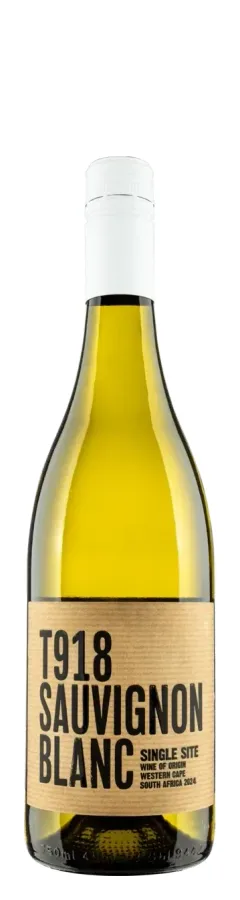
Sauvignon Blanc12.2%

Syrah

Sauvignon Blanc

Grenache / Garnacha Blend13.6%
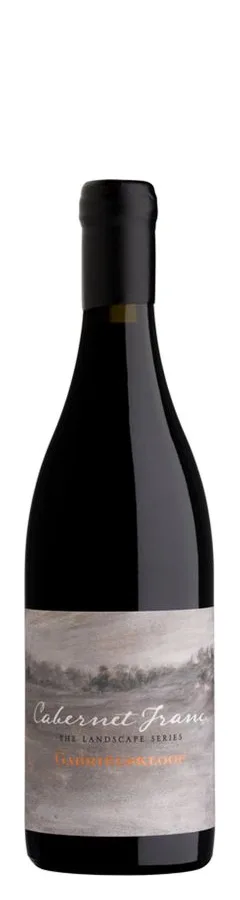
Cabernet Franc14%

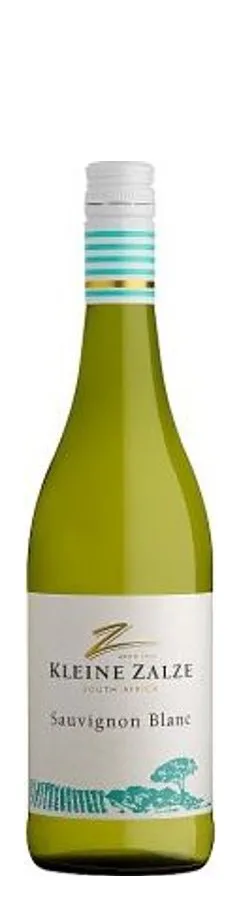


Chenin Blanc11%

Cabernet Sauvignon Merlot Malbec Cabernet Franc13.5%

Durif Blend14%

Chenin Blend
South African wine works naturally with smoke, spice, sweet-savoury sauces, seafood and meat cooked over fire.
Fire likes fruit, but it also needs freshness. Chenin Blanc handles spice, smoke and sweet-savoury dishes; Pinotage suits charred meat; Cabernet takes lamb and beef; coastal Sauvignon Blanc meets seafood and herbs. Cap Classique is very good with fried food and requires no formal occasion beyond somebody having opened it.
South Africa's old vines matter because they preserve rare grapes, historic sites, farming knowledge and distinctive fruit that might otherwise be lost to poor economics.
The Old Vine Project certifies registered vineyards from 35 years of age through its Certified Heritage Vineyard seal. Chenin Blanc forms a large part of the story, but old Cinsaut, Semillon, Palomino, Grenache, Colombard and other varieties survive across Swartland, Stellenbosch, Olifants River and further afield.
Older vines often yield less, which can make them financially vulnerable even when the fruit is exceptional. Deep roots and naturally balanced growth may help some sites cope with dry conditions, but age is not magic and every block still requires skilled pruning, soil care and a buyer willing to pay enough for the grapes.
The project has changed what growers and drinkers value. Vine age can now appear as verified information rather than misty back-label romance, giving farmers a stronger reason to retain vineyards that carry genetic and cultural history. Preservation becomes sustainable only when the people doing the work share in its value.
A beginner should try a dry Chenin Blanc, a Stellenbosch Cabernet Sauvignon, a modern Pinotage, a coastal Sauvignon Blanc and a Cap Classique. Those styles show the country's fruit, structure, cool-climate range and local identity.
South African wine is normally classified as New World, although Cape wine production began in the seventeenth century. Its best modern wines combine ripe fruit with established regional traditions and tightly regulated origin.
Chenin Blanc is South Africa's most versatile signature grape, while Pinotage is the country's distinctive locally created red variety. Cabernet Sauvignon, Syrah and Sauvignon Blanc are also central to its international reputation.
Pinotage is not Pinot Noir. Pinotage was created in 1925 by crossing Pinot Noir with Cinsaut, then known locally as Hermitage, and has its own flavours, structure and ripening behaviour.
Most South African table wine is dry. The country also has important sweet-wine traditions based on Muscat, Chenin Blanc, noble rot and late harvesting, as well as some semi-sweet commercial styles.
Light Cinsaut, Grenache and juicy Pinotage can be served cool at around 12-15°C. Structured Cabernet Sauvignon, Syrah and serious Pinotage are usually best around 16-18°C, with young examples often benefiting from air.
Fine Cabernet Sauvignon, Syrah, Pinotage and Cape blends can age for many years, while old-vine Chenin Blanc, Chardonnay and Semillon can also develop substantial complexity. Simple fruity whites and rosés are generally designed for earlier drinking.
South African wine can offer excellent value, particularly Chenin Blanc, Syrah, Cinsaut and regional blends. Very cheap export labels do not represent the country's quality ceiling, while old-vine and single-site wines increasingly command prices that reflect scarce fruit and labour.
Wine of Origin certifies that a South African wine's grapes came from the place named on the label and that the wine passed the relevant controls. The named place may be a broad geographical unit, region, district, ward or registered single vineyard.
South African Cabernet and Syrah may appeal to drinkers who like ripe fruit with European-style savoury structure, while Chenin Blanc ranges from Loire-like freshness to a distinctly Cape old-vine richness. The strongest wines resemble their own regions more than a compromise between two hemispheres.
South African wine is worth buying for old-vine Chenin Blanc, increasingly graceful Pinotage, serious Cabernet Sauvignon, peppery Syrah, coastal whites and Cap Classique with both fruit and purpose. Few countries move so convincingly between warm-climate generosity and cool maritime precision.
The bargain shelf helped Britain learn the country's name, then sometimes taught the wrong lesson about its ambition. Do not treat South Africa merely as a cheaper substitute for somewhere European. Buy by region, grape and grower, and pay attention to old-vine and origin information. The Cape is not auditioning for another country's role. It has more interesting work of its own.