


Flint Vineyard Bacchus 2025
Bacchus11.5%
£21.49

The home fixture, now winning without the weather’s permission.
A garden table has been set outside because the forecast said dry. There are crab sandwiches, a bowl of strawberries and several jumpers within grabbing distance. The bottle is cold, the first glass smells of apple and lemon, and the rain has shown the unusual courtesy to wait.
English wine belongs to this table. Its acidity loves seafood, pastry, roast pork and hard cheese. Its best sparkling wines have moved beyond patriotic encouragement into the simpler business of being excellent, while Bacchus, Chardonnay and Pinot Noir are making still wines that deserve attention without bunting.
This is the home venue, so enthusiasm comes naturally. Reality must come too. The climate remains capricious, prices are rarely modest and not every bottle justifies its ambitions. But the best English wine has nerve, detail and a sense of place that no longer requires an apology before pouring.


 and more, live from leading UK retailers
English wine is a cool-climate wine tradition led by traditional-method sparkling wine and an increasingly confident range of still whites, rosés and reds.
Most vineyards lie across southern England, where the growing season is longer, temperatures are milder and access to suitable slopes and free-draining soils is greatest. Chalk runs through parts of Sussex, Hampshire and Kent as a continuation of the Paris Basin geology found across the Channel. Greensand, clay, gravel, flint, loam and the warmer, drier conditions of Essex bring important differences. England does not possess one great vineyard soil any more than it possesses one reliable forecast.
Chardonnay, Pinot Noir and Pinot Meunier established the modern reputation through bottle-fermented sparkling wine. High natural acidity, once the hazard around which growers planned, became an advantage when handled with ripe fruit and sufficient lees ageing. The wines can show lemon, green apple and redcurrant, then gain toast, brioche, hazelnut and creamy texture as they rest on spent yeast after secondary fermentation.
Bacchus is the signature still white grape, making aromatic dry wine with elderflower, gooseberry, citrus and herbs. Chardonnay now ranges from lean, mineral still wine to riper, barrel-fermented styles. Pinot Noir can produce fragrant red and rosé, particularly in warmer sites and seasons, while Pinot Gris, Ortega, Seyval Blanc, Solaris, Rondo and Pinot Précoce keep the vineyard more diverse than the sparkling trio suggests.
The historical thread is longer than the modern industry. Archaeological evidence supports viticulture in Roman Britain, vineyards were recorded in medieval England, and later attempts rose and fell with climate, economics and fashion. The present revival gathered force in the second half of the twentieth century, then changed scale and ambition when producers including Nyetimber, Ridgeview and Camel Valley demonstrated what careful site selection and serious sparkling-wine methods could achieve.
Climate change has improved average ripening conditions but has not made farming easy. Spring frost, rain at flowering, mildew pressure, birds and a wet harvest can still rearrange the year. Warmer summers also create opportunities for still Chardonnay and Pinot Noir, especially in Essex and other dry, warm pockets. English wine is no longer succeeding despite its climate. It is learning which parts of a changing climate can be used, and which must still be survived.
English wine commonly tastes fresh, precise and fruit-led, with high acidity providing the structure in sparkling, white, rosé and many red styles.
Traditional-method sparkling wine is the flagship. Chardonnay contributes citrus, apple and line; Pinot Noir adds body and red fruit; Pinot Meunier brings softness and fragrance. Blanc de Blancs, made from white grapes and usually Chardonnay, can be taut and chalky. Blanc de Noirs, made from dark-skinned grapes, is generally broader and more vinous.
Lees ageing matters. After the second fermentation in bottle, the wine rests on the yeast sediment and gradually develops bread, biscuit, nut and creamy flavours. The best examples retain vivid fruit and acidity underneath that complexity. Too much dosage can blur the detail; too little can turn virtue into dental work.
Bacchus is aromatic, brisk and usually unoaked, often compared with Sauvignon Blanc because of its elderflower, gooseberry and herbal character. The comparison helps, though Bacchus can also show nettle, blackcurrant leaf and a softer English hedgerow quality that belongs to itself.
Still Chardonnay has become one of the most exciting developments. Cooler sites give lemon, apple and mineral restraint, while warmer vineyards and barrel fermentation can add peach, butter, toast and greater body. Pinot Gris, Ortega and Solaris produce accessible aromatic whites, and Seyval Blanc remains useful for fresh still and sparkling wine.
Rosé is a natural strength because English acidity keeps red fruit alert. Pinot Noir and Pinot Meunier make pale, delicate examples and fuller gastronomic styles, while Rondo and Pinot Précoce can add deeper colour and riper berry flavours.
English red wine is still vintage and site-dependent, but the ceiling has risen markedly. Pinot Noir from warm, dry Essex and carefully chosen southern slopes can offer cherry, raspberry, violet and earthy spice with genuine finesse. Rondo, Regent and Divico give darker fruit and colour. The best reds are no longer curiosities, though the weakest still taste as if optimism was harvested before the grapes.
Late-harvest Ortega, Bacchus and other aromatic grapes can produce small quantities of sweet wine, sometimes aided by noble rot. Petillant naturel, ancestral-method fizz, barrel-aged Bacchus and skin-contact whites show a more experimental side. These styles matter when they taste good, not merely because a crown cap and hand-drawn fox have been applied.
English wine regions are still defined more by counties, soils, climate and leading producers than by a complete national appellation map.
Sussex is the best-established regional name in English wine and has its own protected designation of origin. The South Downs provide extensive chalk, while greensand and clay broaden the soils across East and West Sussex. Ridgeview, Nyetimber, Wiston, Rathfinny and Bolney helped establish the county’s reputation for traditional-method sparkling wine, Pinot Noir and increasingly serious still Chardonnay.
Kent combines chalk on the North Downs with clay, loam and warmer sites towards the Weald and coast. Chapel Down, Gusbourne, Balfour and Simpsons are prominent names across sparkling and still wine. Bacchus, Chardonnay and Pinot Noir all prosper, and the county’s scale gives it a wider stylistic range than one neat geological story can contain.
Hampshire’s vineyards occupy chalk slopes across the North and South Downs as well as mixed soils elsewhere. Hambledon, Hattingley Valley, Exton Park and Cottonworth are important sparkling producers. The county often gives firm acidity and a restrained citrus profile, particularly effective with longer lees ageing.
Surrey sits close to London but retains substantial vineyard country along the North Downs. Denbies and Albury are useful reference points, making sparkling, white, rosé and red wines from chalk, greensand and clay sites. The region’s cellar doors have also helped turn English wine from an abstract success story into somewhere people actually go for lunch.
Essex, particularly the Crouch Valley, is one of England’s leading areas for still Chardonnay and Pinot Noir. Low rainfall, warm summers and clay-rich soils help grapes reach ripeness while retaining acidity. Danbury Ridge has focused attention on the county, but fruit from Essex also supplies highly regarded wines made by producers elsewhere.
The Thames & Chilterns region includes vineyards across Berkshire, Buckinghamshire and Oxfordshire. Chalk, gravel and sheltered river-valley sites support Chardonnay, Pinot Noir and aromatic whites. Producers such as Hundred Hills have shown that the English wine map continues inland rather than stopping wherever a Londoner’s weekend train reaches the sea.
Cornwall’s Atlantic climate brings mild temperatures, wind and abundant weather, with sheltered valleys essential. Camel Valley near Bodmin is the indispensable name, having built a national reputation for sparkling wine and fresh still styles. Its Darnibole vineyard has a separate PDO for dry Bacchus grown on slate-rich soil, a rare case where one small English site carries its own protected identity.
Devon combines coastal influence, sheltered river valleys and varied soils. Sandridge Barton and Lyme Bay are significant producers, although the latter also works with grapes sourced beyond the county. Still Chardonnay and Pinot Noir have joined sparkling and aromatic whites, demonstrating that the West Country can provide precision as well as postcard weather.
Dorset includes chalk and limestone continuations of the southern English geology, with Langham and Bride Valley among the useful names for sparkling wine. Somerset’s vineyards work across warmer inland slopes and mixed soils, producing Bacchus, Pinot varieties and sparkling wine. Wraxall is one sign that good English still wine is not confined to the south-east.
East Anglia covers the drier eastern counties, including Norfolk, Suffolk and Cambridgeshire, while Essex is increasingly treated as a major identity in its own right. Flint Vineyard and Burn Valley illustrate the region’s appetite for Bacchus, Pinot Noir and experimental blends. Lower rainfall is valuable, though flat land and frost exposure demand careful site choice.
English vineyards now extend through Gloucestershire, the Midlands, Yorkshire and beyond. Three Choirs in Gloucestershire and Halfpenny Green in Staffordshire were important before the present boom, while newer northern sites use sheltered slopes, hybrid varieties and warming seasons. This remains marginal viticulture in the literal climatic sense, which makes success more interesting, not less serious.
The Isle of Wight has mild maritime conditions, long sunshine hours and a small but distinct vineyard tradition. Adgestone Vineyard near Brading makes conventional English still and sparkling wines, then briefly abandons convention with Something Blue, a lightly sparkling, traditional-method cuvée made from island grapes and coloured a startling turquoise. England contains multitudes. Occasionally one of them matches the ferry brochure.
English wine labels distinguish protected origin, production method, grape style and, crucially, wine made from English grapes from products merely assembled in Britain.
English Wine PDO is a protected designation of origin for qualifying wine made from grapes grown in England under defined production and analytical rules. PDO gives geographical and technical assurance, but it does not mean that every bottle tastes alike or that the authorities have personally enjoyed it.
English Regional Wine PGI is a protected geographical indication with broader rules than PDO. PGI still requires English-grown grapes and verified origin, while allowing producers greater flexibility in varieties and style.
Sussex Wine PDO protects qualifying still and sparkling wine from East and West Sussex. Grapes must come from the defined county area and the wine must meet production, analytical and tasting requirements. Sussex is therefore both a county name and a regulated wine origin.
Darnibole PDO applies to a dry Bacchus made from a specific delineated vineyard at Camel Valley in Cornwall. The wine is tied to its slate-derived soil, local growing conditions and production rules. It is English wine’s unusually precise answer to the claim that the country has no individual terroirs.
Traditional method means the second fermentation that creates the bubbles takes place inside the bottle. The wine then ages on its lees before riddling and disgorgement remove the sediment. Champagne uses the same method, but English sparkling wine remains English and should not need borrowed stationery.
Blanc de Blancs means white wine made from white grapes, most commonly Chardonnay. Blanc de Noirs means white sparkling wine made from dark grapes, usually Pinot Noir, Pinot Meunier or both. The former is often leaner and more citrus-led; the latter can be broader and red-fruited.
Vintage sparkling wine comes principally from one named harvest, while non-vintage wine may blend several years to create consistency and balance. Vintage does not automatically mean better. In a climate as variable as England’s, blending years can be an intelligent act rather than a failure to commit.
English wine is made from grapes grown in England. British wine is a different product that may be fermented or processed in Britain from imported grape concentrate. The two phrases look unreasonably similar on a shelf, but only one tells you that the vineyard was here.
English wine is defined by the sparkling trio of Chardonnay, Pinot Noir and Pinot Meunier, with Bacchus leading an increasingly broad still-wine cast.
Chardonnay is England’s central sparkling grape and an increasingly important still-wine variety. It retains acidity in cool conditions, producing lemon, apple and chalky flavours, while warmer sites and barrel work can add peach, toast and creamy texture.
See Chardonnay winesPinot Noir supplies structure and red fruit to sparkling wine, pale rosé and England’s most ambitious still reds. Essex, Kent, Sussex and other warm southern sites can produce fragrant, earthy wine with cherry, raspberry and fine tannin.
See Pinot Noir winesPinot Meunier ripens reliably and brings soft red fruit, perfume and approachability to sparkling blends. It also makes characterful rosé and occasional still red wine, proving that supporting roles need not remain silent.
See Pinot Meunier winesBacchus is England’s signature aromatic white grape. It commonly gives elderflower, gooseberry, grapefruit, nettle and blackcurrant-leaf flavours, usually in a dry, unoaked style. Riper examples can show peach and tropical fruit without losing freshness.
Pinot Gris makes dry whites from light and pear-scented to fuller, gently spicy styles. Early-ripening Ortega gives floral, peachy wine and can achieve enough sugar for late-harvest bottles, though careful acidity is needed to prevent softness.
Seyval Blanc is a hardy hybrid long used for fresh still and sparkling wine, offering citrus and green apple. Solaris ripens early and accumulates sugar readily, making aromatic dry or sweet styles and providing useful resilience in difficult sites.
Rondo gives deep colour and berry fruit, while Pinot Précoce, also called Frühburgunder, ripens earlier than Pinot Noir and can make fragrant light reds. Divico combines disease resistance with dark fruit and tannin, making it important to a more sustainable future.
Bacchus11.5%

Chardonnay11.5%

17%

13.5%

11.5%

Chardonnay Pinot Noir Pinot Meunier12%

12%

12%


Pinot Noir12%


Sauvignon Blanc, Gruner Veltliner13%
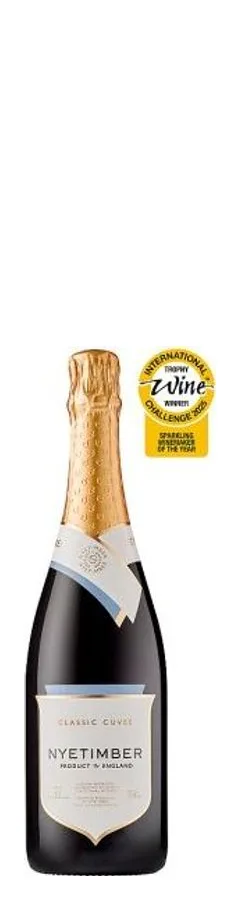
Chardonnay Pinot Noir Pinot Meunier12%

Pinot Noir12%
English wine works particularly well with British food because its acidity meets salt, pastry, cream, fried batter and roast fat with admirable public-service discipline.
The national advantage is acidity. Sparkling wine cleans up fried food and pastry, Bacchus handles herbs and green vegetables, Chardonnay meets butter and cream, and Pinot Noir suits mushrooms and roast meat. Strawberries are better with a gently fruity rosé than with bone-dry sparkling wine, however keen the summer advertising may be.
English wine is no longer only a sparkling-wine story, although traditional-method fizz remains its strongest and most established claim to international attention.
The sparkling success was logical. Chardonnay, Pinot Noir and Pinot Meunier can ripen with high acidity, and long bottle ageing turns that acidity into tension around citrus, apple, toast and cream. Producers invested in presses, cellars, expertise and time. The results changed how the country was regarded and, more importantly, changed what growers believed possible.
Still wine has benefited from that confidence and infrastructure. Bacchus already had a recognisable English identity, but Chardonnay and Pinot Noir now reach greater ripeness in suitable sites. Essex has become particularly important because its dry, warm conditions can produce concentrated fruit. Kent, Sussex, Hampshire, Surrey and the West Country add different soils and expressions.
There are limits. A wet, cold season can expose thin fruit, green tannin and optimistic oak. Some bottles cost more than their depth justifies because land, labour, equipment and low yields are expensive. Patriotism is not a tasting note, and local production does not suspend the ordinary requirement to be delicious.
Yet the direction is unmistakable. English still wine is moving from occasional proof of concept to a serious category. Sparkling wine built the house. Bacchus, Chardonnay and Pinot Noir are now arguing cheerfully over the furniture.
A beginner to English wine should try a traditional-method sparkling blend, a dry Bacchus and a still Chardonnay or Pinot Noir from a warm site. Those choices show the established strength and the rapidly developing still-wine range.
English sparkling wine is not Champagne because Champagne is a protected French origin. Many English sparkling wines use the same traditional bottle-fermentation method and the same principal grapes, but their climate, soils and identity are English.
English wine is made from grapes grown in England. British wine may be made in Britain from imported grape concentrate, so the phrase does not identify a British vineyard origin.
English wine is expensive because land, labour, equipment, duty, low yields, weather risk and long sparkling-wine ageing all add cost. Some bottles fully justify the price through quality and time; others ask the flag to do more work than the fruit.
English sparkling wine is best served around 7-10°C. Very cold serving suppresses aroma and texture, so allow serious vintage or long-aged bottles to warm slightly in the glass.
Fine English sparkling wine can age well because acidity and lees-derived structure support development. Serious still Chardonnay and Pinot Noir can also improve, while most Bacchus, rosé and simple aromatic whites are intended for youthful freshness.
English Bacchus commonly tastes of elderflower, gooseberry, grapefruit, nettle, herbs and blackcurrant leaf. Riper examples may add peach or tropical fruit, usually with a dry finish and brisk acidity.
No single English county makes every best wine. Sussex, Kent and Hampshire lead the established sparkling sector, Essex excels in ripe still Chardonnay and Pinot Noir, and Cornwall, Devon, Surrey and other regions contribute distinctive sites and producers.
English red wine can now be excellent when Pinot Noir or another suitable grape reaches full ripeness in a well-chosen site. Quality remains more vintage-dependent than sparkling wine, and pale colour should not be confused with lack of flavour.
English traditional-method sparkling wine relates most closely to other cool-climate bottle-fermented wines, including Champagne, but often shows more direct orchard fruit and keen acidity. Bacchus may appeal to Sauvignon Blanc drinkers, while still Chardonnay and Pinot Noir invite comparisons with cool European regions.
English wine is worth buying because its best bottles now combine genuine quality with the pleasure of drinking from the landscape outside our own windows. Traditional-method sparkling wine remains the safest strength, Bacchus is distinctively useful and still Chardonnay and Pinot Noir have begun to make the future taste less hypothetical.
Prices require judgement and the weather will continue behaving as if it has not read the investment prospectus. Good. Wine should retain some relationship with the place that made it. England has moved from novelty to serious wine country without losing rain, eccentricity or the ability to look faintly surprised by its own success. We should raise a glass to that, preferably under cover.