


Louis Guntrum Pinot Noir
Pinot Noir14%
£11.00

Riesling’s homeland, where sweetness is optional and precision comes naturally.
There is rain on the river, steam rising from a plate of sausages and a glass of Riesling that tastes of lime, apple and the cleanest possible answer to pork fat. German wine makes sense at the table long before its labels begin their oral examination.
Britain remembers the sweet, inexpensive bottles that once occupied half a supermarket shelf and all of German wine’s reputation. Germany has moved on. Much of its Riesling is dry, Pinot Noir has become a serious national strength, and the country also pours Silvaner, Pinot Blanc, Pinot Gris and excellent sparkling wine with very little interest in old export jokes.
The labels still ask for concentration. Fortunately, what is inside them usually rewards it.


 and more, live from leading UK retailers
German wine is a cool-climate, region-led wine tradition best known for Riesling, but increasingly admired for dry whites, Pinot Noir and sparkling wine.
Most vineyards lie in the south-west, often beside the Rhine and its tributaries. Rivers reflect light, steep slopes catch the sun and stony soils retain warmth, all of which help grapes ripen at latitudes where a flat, shaded field would be useful mainly for potatoes. The Mosel, Saar and Ruwer are famous for slate; Franken includes shell limestone; Baden has volcanic sites as well as limestone and loess; the Nahe fits a geological cabinet into one river valley.
Riesling remains the great translator of these places. It can make feather-light Kabinett, taut dry wine, traditional-method sparkling wine and rare sweet bottles of astonishing concentration. Its acidity provides the line through all of them, like good tailoring worn to several very different occasions.
German red wine matters too. Spätburgunder is the local name for Pinot Noir, and warmer seasons, improved viticulture and close attention to individual sites have increased both quality and confidence. Baden, the Ahr, Pfalz, Rheinhessen and Württemberg are important sources. Lemberger, Trollinger and Dornfelder add regional character rather than pretending every red grape wants to be Pinot Noir.
German wine law is changing its emphasis. From the 2026 vintage, the protected-origin system gives greater prominence to where the grapes grew, progressing from wine-growing region through smaller areas and villages to individual vineyards. The traditional Prädikat terms remain, but origin now speaks more loudly beside ripeness.
German wine commonly combines clear fruit, lively acidity and moderate weight, with sweetness ranging from completely dry to gloriously unsuitable for driving.
Dry Riesling, labelled trocken, can be lean and citrusy or broad, ripe and powerful. Mosel examples often feel particularly delicate, while Rheinhessen, Pfalz and Rheingau can provide more body without losing freshness. With age, fine Riesling may develop honey, toast and the distinctive waxy or smoky note politely known as petrol.
Silvaner is less aromatic and often more earthy or herbal, especially in Franken. Weissburgunder, Pinot Blanc, brings apple, pear and quiet composure; Grauburgunder, Pinot Gris, is usually fuller and spicier. Scheurebe can be vividly aromatic, with blackcurrant leaf, grapefruit and flowers.
A little residual sugar can soften Riesling’s acidity without making the wine taste overtly sweet. Kabinett, Spätlese and Auslese describe grape ripeness and must weight rather than a fixed sweetness level, so each may be made in a drier or sweeter style. The label, producer style and alcohol level all supply clues.
Beerenauslese and Trockenbeerenauslese are genuinely sweet, concentrated wines, commonly involving noble rot. Eiswein is made from ripe grapes harvested and pressed while naturally frozen. These are not pudding poured by the litre. They are rare wines whose acidity keeps the sweetness alert.
Spätburgunder ranges from light, fragrant and slightly earthy to structured, oak-aged and capable of long development. The best wines favour perfume and detail over brute force. Lemberger can bring dark fruit and pepper, while Trollinger is lighter, juicier and particularly at home on a crowded Württemberg table.
German Sekt covers a wide range of quality. Deutscher Sekt uses German-grown grapes, while Sekt from a specified region gives a more precise origin. Traditional-method examples based on Riesling, Pinot varieties or Chardonnay can combine brisk acidity with citrus, apple and bready complexity.
German wine regions differ through river, slope, soil and grape, despite being gathered into one persistent British memory of sweet Riesling.
The Mosel follows the twisting Moselle river and includes the Saar and Ruwer valleys. Riesling grown on steep slate slopes can be light in alcohol yet intense in flavour, with citrus, flowers, stone and a thrilling balance between acidity and sweetness.
The Rheingau occupies a compact stretch largely along the north bank of the Rhine, where south-facing vineyards capture valuable sun. Riesling dominates, producing dry, structured wines and noble sweet styles, while Assmannshausen has a long reputation for Spätburgunder.
Rheinhessen is broad, varied and no longer adequately described by the inexpensive blends once exported under its name. Limestone around the Rhine terraces, the red slopes near Nierstein and a generation of site-conscious growers have made it a leading source of dry Riesling, alongside Pinot varieties and Silvaner.
The Pfalz runs north from the French border in the shelter of the Haardt mountains. Its relatively sunny conditions suit ripe, generous Riesling, but also Weissburgunder, Grauburgunder, Spätburgunder and aromatic varieties. The food culture is equally broad-shouldered, which the wines appear to have noticed.
The Nahe valley lies between Mosel and Rheinhessen and compresses slate, volcanic rock, quartzite, sandstone and other soils into a small area. Riesling can combine the Mosel’s delicacy with the fuller shape associated with neighbouring regions, although the best description is usually simply Nahe.
Baden stretches south along the Rhine and towards Lake Constance, with warm pockets including the volcanic Kaiserstuhl. Spätburgunder, Grauburgunder and Weissburgunder are major strengths, often producing fuller wines than Germany’s cool-climate stereotype suggests.
Württemberg follows the Neckar and its tributaries around Stuttgart and Heilbronn. Red grapes are central, particularly Trollinger, Lemberger and Spätburgunder, and much of the wine is consumed locally. This is sensible behaviour, though inconsiderate to the rest of us.
Franken follows the Main river and is strongly associated with Silvaner, limestone soils and the squat, flattened Bocksbeutel bottle. The best dry whites are savoury, firm and excellent with food, giving less perfume than Riesling but no shortage of character.
The Ahr is a small, northerly red-wine region built around steep slopes above the Ahr river. Spätburgunder is its defining grape, producing fragrant reds whose delicacy and structure make more sense than the latitude initially suggests.
The Mittelrhein occupies the dramatic Rhine gorge between Bingen and Bonn, where steep terraces and slate favour Riesling. Hessische Bergstraße is a tiny, sheltered region further south, making Riesling and Pinot-family wines with rather less international attention than the scenery deserves.
Saale-Unstrut lies around the rivers that give it its name in eastern Germany. Its northerly, often terraced vineyards produce fresh, generally dry wines from varieties including Müller-Thurgau, Weissburgunder, Riesling and Silvaner.
Sachsen, or Saxony, follows the Elbe around Dresden and Meissen. This small eastern region makes delicate, mostly dry wines from Riesling, Müller-Thurgau, Weissburgunder and local specialities, much of which remains close to home.
German wine labels become useful once ripeness, sweetness and origin are treated as three separate pieces of information.
Trocken means dry and halbtrocken means off-dry within defined analytical limits. Feinherb is not a strictly defined legal sweetness category, but usually suggests a gently off-dry or medium-dry style. None of these words tells you the wine’s quality.
Qualitätswein and Prädikatswein come from one of Germany’s protected wine-growing regions and must pass official checks. Prädikatswein also carries a ripeness category and cannot be enriched with sugar before fermentation to raise alcohol.
These Prädikat terms rise with the natural sugar concentration of the grapes at harvest. Kabinett is typically light and fine, Spätlese uses riper grapes, and Auslese comes from selected fully ripe bunches. They do not, by themselves, tell you how much sugar remains after fermentation.
Beerenauslese is made from individually selected overripe berries, commonly affected by noble rot. Eiswein uses ripe grapes picked and pressed while frozen at no warmer than -7°C. Trockenbeerenauslese uses shrivelled berries, commonly with noble rot, and produces exceptionally concentrated sweet wine.
Landwein is German wine with a protected geographical indication, or PGI. Qualitätswein and Prädikatswein sit within protected designations of origin, or PDOs, whose grapes come from one of the recognised quality wine regions.
Ortswein identifies wine from a village or district, while Einzellage means an individual vineyard. From the 2026 vintage, German law applies a more explicit hierarchy of origin and regulates Erstes Gewächs and Großes Gewächs for qualifying dry wines from individual vineyards. Older bottles and private association classifications may reflect earlier systems, so context still matters.
Sekt simply means sparkling wine and does not guarantee German-grown grapes. Deutscher Sekt does, while Sekt b.A. comes from one specified German wine region. A regional designation and a reference to traditional bottle fermentation provide more useful information about origin and method.
German wine is defined by Riesling, but its Pinot family and regional varieties make the national vineyard much less monochrome.
Riesling is Germany’s signature grape, retaining high acidity while expressing lime, apple, peach, flowers and stone. It works in dry, off-dry, sparkling and intensely sweet forms, and can age for decades when concentration and balance permit.
See Riesling winesSpätburgunder is Pinot Noir under its German name. It is particularly important in Baden, the Ahr, Pfalz, Rheinhessen and Württemberg, producing red-fruited, earthy wines from light and graceful to structured and oak-aged.
See Spätburgunder winesGrauburgunder is Pinot Gris and generally gives fuller, softly spiced whites. Weissburgunder is Pinot Blanc, usually quieter and fresher, with apple, pear and nutty flavours that make it extremely useful at the table.
Silvaner is closely associated with Franken and Rheinhessen. It makes dry, subtle wines with herbal, earthy and sometimes creamy qualities, expressing soil and texture more readily than exuberant aroma.
Müller-Thurgau produces light, floral, approachable whites across several regions. Scheurebe is more assertive, offering grapefruit, blackcurrant leaf and spice, and can succeed in both dry and sweet styles.
Lemberger, also known as Blaufränkisch, gives dark fruit, pepper and structure, especially in Württemberg. Trollinger makes pale, juicy local reds, while Dornfelder supplies deep colour and generous fruit in a more immediately recognisable style.
Pinot Noir14%


Pinot Noir12.5%

Pinot Noir13.5%
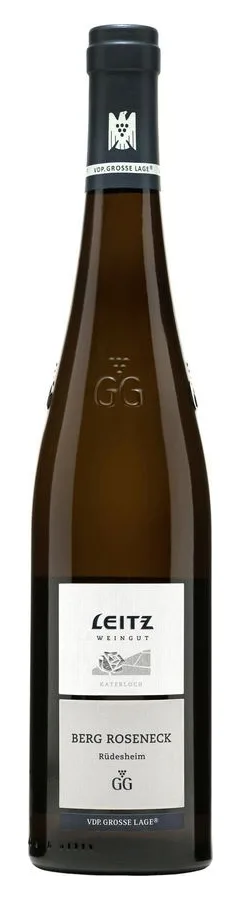
Riesling12%
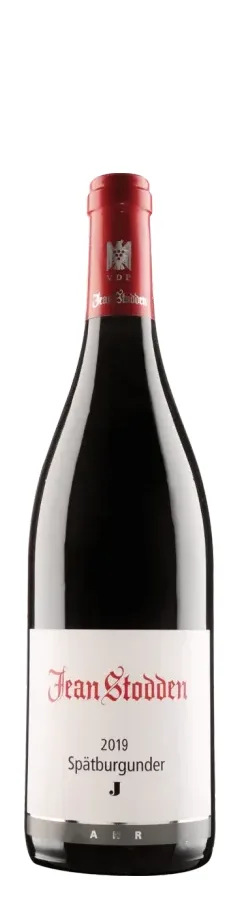
Pinot Noir12.5%


Chardonnay

Riesling11%

10%

Pinot Noir13%

Riesling10.5%
German wine is exceptionally useful with food because acidity refreshes, moderate alcohol leaves room for dinner and a touch of sweetness calms salt, spice and chilli.
The useful principle is not complicated. Dry Riesling cuts through fat, off-dry Riesling absorbs heat, Pinot varieties handle roast and creamy flavours, and noble sweet wine makes blue cheese cease arguing with the rest of the table.
German wine is not always sweet, and trocken Riesling is now central to the country’s domestic and international identity.
The confusion has two causes. Britain imported enormous quantities of inexpensive sweetish German wine in the late twentieth century, then kept the memory long after the shelf had changed. German labels also use Prädikat words that describe grape ripeness rather than the finished wine’s sweetness, allowing a Spätlese, for example, to be dry or sweet.
Look for trocken when you want dry wine. Check the alcohol level for an additional clue, because lower-alcohol Riesling often retains more sugar, though this is not an infallible test. Better still, ask whether the wine is dry, off-dry or sweet and allow Kabinett to return to being useful information rather than a crossword answer.
Germany’s current move towards clearer origin does not remove every complication. It does reveal the modern priority: vineyard and village, not sweetness alone. The country is finally being described by the wine it makes rather than the wine Britain remembers buying in 1987.
German Riesling can be dry, off-dry, medium or sweet. The word trocken indicates dry wine, while a Prädikat such as Kabinett or Spätlese describes grape ripeness rather than guaranteeing a sweetness level.
A beginner to German wine could try a dry Riesling from Pfalz or Rheinhessen, a lighter Mosel Riesling with some residual sugar, and a Spätburgunder. Those three wines show Germany’s range more fairly than one historic bottle shape ever did.
Kabinett is the lightest of Germany’s Prädikat categories and is based on the natural ripeness of the grapes. Kabinett wine may be dry or retain sweetness, often with modest alcohol and lively acidity.
German white wine is generally best chilled but not numbed. Serve light Riesling and Sekt around 7-10°C, and fuller dry Riesling, Silvaner or Pinot whites around 9-12°C.
Fine German Riesling can age exceptionally well in dry and sweet forms because acidity and extract preserve freshness. Serious Spätburgunder can also develop over many years, while simple young wines are usually best enjoyed before curiosity becomes archaeology.
German wine is predominantly associated with white grapes, but red wine is important in regions including Baden, Württemberg, the Ahr, Pfalz and Rheinhessen. Spätburgunder, the German name for Pinot Noir, is the leading fine red variety.
German Riesling relates most directly to Riesling from Alsace, Austria and Australia, though climate and style differ. German Spätburgunder may appeal to Pinot Noir drinkers, while Silvaner offers an understated alternative to dry Chenin Blanc or Pinot Blanc.
German wine offers strong value in dry Riesling, Silvaner, Pinot whites, Sekt and less famous regions. Celebrated vineyards and rare sweet wines can be expensive, but the country still rewards drinkers who buy the place rather than the loudest label.
German wine from the 2026 vintage enters a clearer origin hierarchy for protected-origin quality and Prädikat wines. The system progresses from region through smaller areas and villages to individual vineyards, while the existing Prädikat levels remain in place.
German wine is worth buying for Riesling alone, but stopping there misses elegant Pinot Noir, savoury Silvaner, excellent Pinot whites and increasingly serious Sekt. The country’s best wines combine intensity with refreshment, which is a far more useful achievement than simply being powerful.
The labels require ten calm minutes and perhaps a pencil. After that, the reward is one of Europe’s most precise relationships between grape and place, plus wines that can handle pork, curry, fish, cheese and the unreasonable British belief that every bottle should explain itself in English.