There are two ways into Lebanon’s wine country. One begins beside the Mediterranean and crosses Mount Lebanon towards the Bekaa Valley. The other begins in a British supermarket and ends with Welsh lamb, Lebanese red and flour on the kitchen worktop. The second is available this evening. The first deserves a careful look at the map.
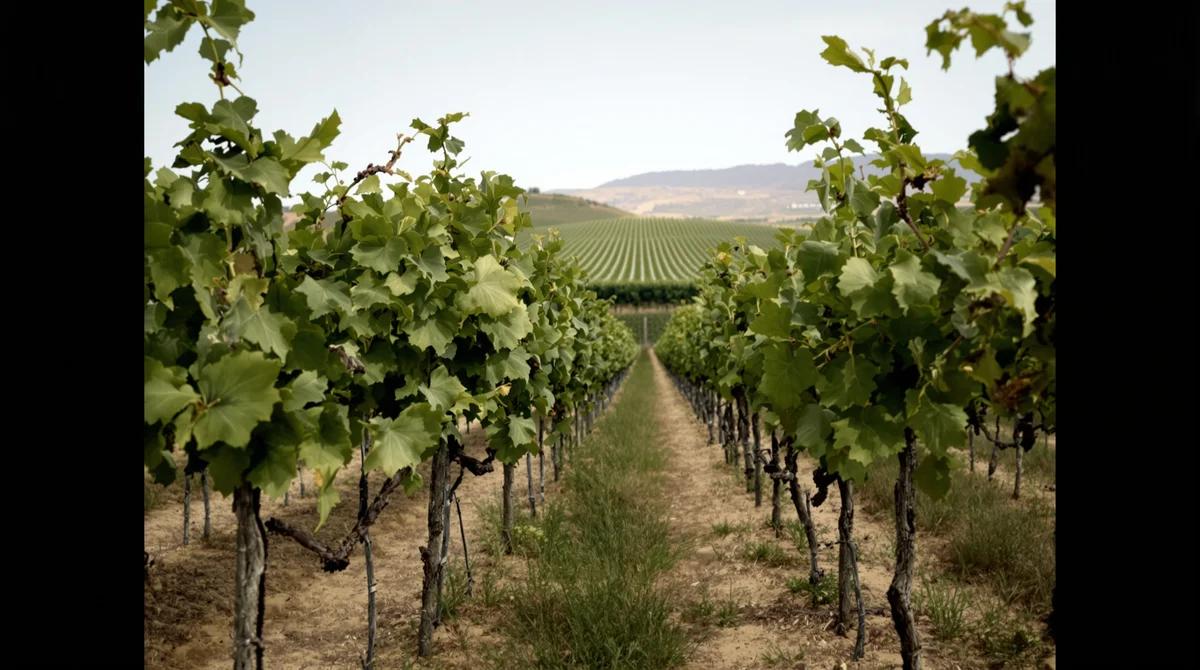
Mark Twain made the longer journey in 1867. Camping near Baalbek, he found the enormous bunches of grapes in his Sunday-school books rather overstated. “The grapes are most excellent to this day,” he conceded. He was writing about the fruit, rather than the wine, but he had reached the right valley.
Anthony Bourdain understood the other essential ingredient. After visiting Beirut in 2006, he spoke of its “incredible tradition of hospitality, particularly at the table”. He returned in 2010 for lunch and wine with the Ghosn brothers at Massaya’s Bekaa winery. For once, a famous traveller really did make it to the vineyard.
Rooms with a past
A wine journey would start in Beirut. The Phoenicia, opened in 1961, supplies the grand hotel version of the city: sea views, polished floors and a history long enough to have its own plot twists. Across town in Achrafieh, the Albergo occupies a 1930s house and offers something more intimate. Further east, Zahlé has the Grand Kadri, a historic stone hotel with the Berdawni River close by. Baalbek’s Palmyra, looking towards the Roman temples, belongs on any list of Lebanon’s remarkable old hotels, though current UK advice rules out a casual leisure detour there.
Late spring and early autumn make the most appealing imagined itinerary. September and October also bring the wine harvest. Summer gives the Bekaa plenty of heat; winter can put snow on Mount Lebanon. Either season may suit someone, but autumn has the pleasant advantage of giving the grapes something to do while you consider lunch.
For a winery visit, ask your hotel to arrange a driver. Beirut’s shared service taxis are part of everyday life, but can range from laid-back to kamikaze. UK travel advice warns against shared and street-hailed taxis, notes a high road accident rate, and recommends vetted cars arranged through a recognised company or hotel. For a winery day, a driver also leaves everyone free to taste the wine and linger over lunch.
Where would you taste?
The Bekaa is central to the story, but winery locations and current travel warnings do not follow the same neat route. Château Musar grows its best-known red grapes in the Bekaa; its winery and cellars are at Ghazir, nearer the coast. IXSIR welcomes visitors at Basbina, near Batroun. Massaya has a winery and tasting rooms at Faqra in Mount Lebanon as well as its Bekaa estate at Tanaïl. Those first three sites make more geographical sense to examine for a future visit than an itinerary pressing into areas covered by stronger UK warnings. That is a comparison of locations and the current advice, not a promise of safety.
At the time of writing the UK FCDO advises against all travel to some parts of Lebanon and all but essential travel to others, including parts of the Bekaa and Baalbek-Hermel. Its advice records airstrikes outside the areas most affected. British visitors should check the precise route before making plans. A full British passport currently needs at least three months’ validity on entry; a free one-month tourist visa is normally available on arrival, while an Israeli passport stamp may lead to refusal. Carry ID for checkpoints, keep photographs to tourist sites and leave the drone at home unless you have permission.
The journey you can make tonight
At Waitrose, Château Oumsiyat Mijana is a useful opening bottle: a medium-bodied Lebanese red with dark fruit and pepper, listed at £10.50 when checked. For the lamb, Château Musar Aana steps up the occasion. It blends Cinsault, Grenache and Cabernet Sauvignon and was listed at £25. It is a different wine from Musar’s flagship red, and a considerably gentler purchase. Prices and local stock will move.
Where the UK and Lebanon happily meet is around a charcoal barbecue, whatever the month. Find a Welsh butterflied leg of lamb of about 700g, or ask the butcher for one. Light the barbecue, piling the coals to one side so you have a hot spot and a cooler one. Rub the lamb with olive oil, crushed garlic, cumin, lemon zest and salt. Once the coals are grey, sear it over the hot side for 4–5 minutes on each side, then move it to the cooler side. Cook for another 20–30 minutes, turning once, until the thickest part reads about 60°C for medium. Rest for 10–15 minutes, then slice and finish with lemon juice.
The flatbreads require 200g self-raising flour and 200g natural yoghurt. Mix, knead briefly, rest for 10 to 15 minutes, then divide into four. Roll them out and cook each in a hot dry pan for about a minute per side.
Put parsley, sliced tomatoes, yoghurt and houmous on the table. Open the Oumsiyat while the breads are warm. Bring out the Aana with the sliced lamb.
Twain got the grapes. Bourdain got the table. From home, you can at least arrange the latter properly, then let the Lebanese winemakers provide the most interesting part of the journey.
Your bottle matters
Lebanon has made wine for thousands of years, and its producers are determined to keep doing so. Israeli military strikes make that work harder in specific ways. During the 2024 harvest, a strike near Château Rayak in the Bekaa damaged the winery, ruined thousands of bottles, and left 60 tonnes of grapes unpicked. Winemakers in the south have described unsafe roads and difficulty finding harvest workers. Renewed fighting in 2026 has cut roads in the western Bekaa and restricted access to farmland elsewhere.
The Lebanese reds that reach us deserve a place at the table for the pleasure they bring. Open one with the lamb and flatbreads. Enjoy it, and remember the growers and winemakers whose work brought it there.