



Tokaji is the headline. The rest of the cellar is awake.
On a hot Budapest afternoon, wine may arrive with soda water and a vocabulary of ratios. Fröccs is not one drink but a family of spritzers, ordered according to glass size, proportion and thirst. It is an unexpectedly useful entrance to Hungarian wine: serious about identity, relaxed about use.
The country’s international reputation rests on golden Tokaji Aszú, one of the world’s great sweet wines. Yet Furmint can also be dry and incisive. Kékfrankos makes fragrant reds, Olaszrizling thrives around Lake Balaton, and the volcanic hill of Somló turns white grapes into wines with salt, smoke and stern longevity.
The names require a little practice. The reward is a wine culture of peppery blends, aromatic whites, volcanic dry wine and sweetness held upright by acidity. Hungary has not been waiting to be discovered. We have been slow with the pronunciation.


 and more, live from leading UK retailers
Hungarian wine is a Central European wine culture best known for Tokaji sweet wine but also producing distinctive dry whites, red blends, sparkling wine and indigenous grape varieties across 22 official wine districts.
The country sits in the Carpathian Basin, where mountains provide some protection and rivers, lakes, plains and volcanic hills create many local climates. Lake Balaton moderates vineyards around its shores. The Bodrog and Tisza rivers encourage autumn mists in Tokaj, helping noble rot develop. Eger and Mátra occupy cooler northern country, while Villány and Szekszárd in the south favour fuller reds.
Volcanic geology is one of the strongest threads. Tokaj, Somló and Badacsony can give dry whites firm acidity, smoky or salty impressions and an ability to age. Loess supports supple reds in Szekszárd. Limestone contributes freshness around Etyek-Buda. Soil affects drainage, heat and vine behaviour; it should not be treated as a flavouring added directly to the wine.
Communism brought collectivisation, high yields and a loss of much vineyard and cellar precision. Since the political changes of 1989, estates have rebuilt regional identities, restored vineyards and reconsidered native grapes. International varieties arrived in force, but the most persuasive modern wines increasingly speak through Furmint, Hárslevelű, Kékfrankos, Kadarka, Olaszrizling, Juhfark and Kéknyelű.
Tokaji Aszú remains a national treasure rather than an outdated ceremonial drink. The modern story simply places it in company: dry Furmint, Egri and Szekszárdi Bikavér, Villány Cabernet Franc, Balaton Olaszrizling and the uncompromising whites of Somló.
Hungarian wine ranges from floral, citrus-led dry whites and peppery red blends to volcanic, ageworthy whites and intensely sweet Tokaji balanced by high acidity.
Furmint is naturally high in acidity and can produce dry wine with apple, pear, lemon, herbs and firm mineral texture. In Tokaj it may be light and direct or barrel-fermented, single-vineyard and capable of long ageing. Hárslevelű is softer and more floral, bringing lime blossom, pear and spice to blends or varietal wines.
Olaszrizling, known elsewhere as Welschriesling and unrelated to Rhine Riesling, is central around Lake Balaton. It commonly offers citrus, apple, almond and a lightly bitter finish, from simple spritzer wine to serious site expression. Somló’s Juhfark and Furmint can be smoky, saline and severe when young, then broaden with age.
Irsai Olivér and Cserszegi Fűszeres make highly aromatic, early-drinking whites with grape, elderflower, spice and citrus. Kéknyelű from Badacsony is rarer and more restrained, valued for acidity, herbal detail and its relationship with volcanic ground.
Kékfrankos, called Blaufränkisch in Austria, is the principal local red grape. It gives sour cherry, blackberry, pepper and lively acidity, ranging from light, juicy wine to structured, oak-aged reds. Kadarka is paler, more delicate and spicy, with soft tannin and a talent for expressing warmth without heaviness.
Bikavér, made in Eger and Szekszárd, is a dry red blend rather than a grape. Kékfrankos provides the spine, with Kadarka and other local or international varieties adding fragrance, fruit and structure. Good examples are layered and savoury, with no single grape shouting over the table.
Villány specialises in fuller southern reds, particularly Cabernet Franc, Cabernet Sauvignon and Merlot. The best retain freshness beneath ripe black fruit and spice. Heavy oak and late picking can still make the wines ponderous, but the direction of travel is towards regional clarity rather than international costume.
Etyek-Buda’s cool limestone country is an important source of traditional-method sparkling wine, often using Chardonnay and Pinot Noir. Furmint also makes increasingly serious sparkling wine, its acidity providing an obvious foundation.
Rosé is widely consumed and commonly made from Kékfrankos, Pinot Noir, Merlot or Cabernet varieties. Styles are generally dry, bright and fruit-led. Siller sits between rosé and red, with deeper colour, more extraction and a useful affinity with charcuterie and paprika-rich food.
Tokaji Aszú is made using individually selected grapes affected by noble rot, or Botrytis cinerea. The shrivelled berries contribute immense sugar and flavour, while Furmint’s acidity prevents the wine from sagging. Expect apricot, candied citrus, honey, tea and spice, often with long savoury development.
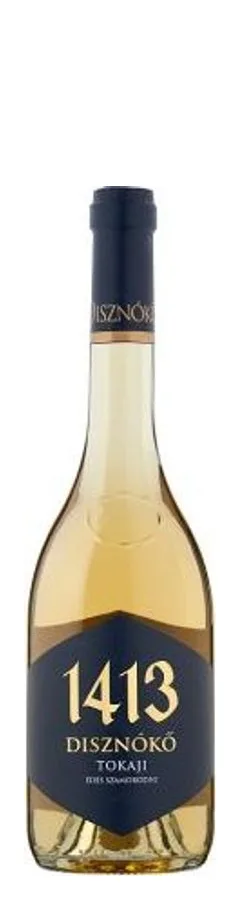
Szamorodni can be dry or sweet, made from whole bunches containing a mixture of healthy and botrytised berries. Late Harvest offers a more accessible sweet Tokaji style. Eszencia is the extraordinarily concentrated free-run juice of aszú berries, fermenting to very low alcohol and usually served in tiny quantities. It is wine at the edge of becoming a preserve, yet with enough acidity to remain vividly alive.
Hungarian wine regions are defined by volcanic hills, lake and river influence, continental seasons and a divide between cooler northern whites and warmer southern reds that is useful but not absolute.
Tokaj in north-eastern Hungary is the country’s most famous region, shaped by volcanic soils and autumn humidity from the Bodrog and Tisza rivers. Furmint, Hárslevelű and Sárgamuskotály help produce Tokaji Aszú, Szamorodni, Late Harvest and increasingly important dry whites. The finest wines combine concentration with acidity of almost architectural importance.
Eger lies in the cooler north and makes both red and white wine. Egri Bikavér is the signature Kékfrankos-led red blend, while Egri Csillag is its white counterpart, built from several grapes. Volcanic tuff, limestone, varied slopes and a long growing season can give wines perfume, spice and freshness rather than simple weight.
Szekszárd is a warm, rolling southern region with loess soils and a strong red-wine identity. Kékfrankos, Kadarka and Szekszárdi Bikavér are central, often giving supple texture, red fruit and spice. Cabernet Franc, Cabernet Sauvignon and Merlot also perform well, but local grapes provide the most distinctive accent.
Villány in the far south is one of Hungary’s warmest regions and is associated with full-bodied red wine. Cabernet Franc is a particular speciality, alongside Cabernet Sauvignon, Merlot, Portugieser and Kékfrankos. Limestone, loess and sunshine can give ripe, structured reds, with cooler sites and restrained oak preserving detail.
Somló is a solitary volcanic hill in western Hungary, small in scale and unmistakable in character. Juhfark, Furmint, Hárslevelű and Olaszrizling make firm, smoky, saline whites with high acidity and notable ageing ability. Young examples can seem stern and often benefit from air or bottle age before their severity relaxes.
Badacsony rises on volcanic slopes beside Lake Balaton, which moderates temperature and reflects light into the vineyards. Olaszrizling, Kéknyelű, Szürkebarát, or Pinot Gris, and other whites can combine ripe orchard fruit with herbs, almond and mineral firmness. The important label clues are the grape, site and producer, not merely the beauty of the view.
Balatonfüred-Csopak lies on the northern shore of Lake Balaton and is strongly associated with Olaszrizling. Limestone, sandstone and lake influence help produce dry whites with citrus, almond and refreshing bitterness. The wider Balaton Uplands add volcanic sites and a broad range of local and international grapes.
Etyek-Buda sits near Budapest in a relatively cool, windy area with limestone-rich soils. Chardonnay, Pinot Noir and aromatic whites perform well, and the region has become a centre for traditional-method sparkling wine. Its proximity to the capital assists visitors; its acidity does the more important work.
Sopron lies near the Austrian border and shares the influence of Lake Neusiedl, known in Hungary as Lake Fertő. Kékfrankos is the leading grape, producing fresh, peppery reds with sour cherry and firm acidity. The regional style often feels closer to neighbouring Burgenland than to southern Hungary.
Mátra occupies the southern slopes of Hungary’s highest mountain range. Volcanic soils, elevation and cooler conditions support aromatic whites, Olaszrizling, Chardonnay, Pinot Gris and increasingly detailed Kékfrankos. The region has long supplied accessible wine and now offers more site-specific ambition.
Pannonhalma and Mór are smaller north-western regions with cool continental conditions. Pannonhalma produces fresh whites from Olaszrizling, Rhine Riesling and international varieties, while Mór is particularly associated with the high-acid white grape Ezerjó. Both offer direct, regionally distinctive alternatives to the country’s more famous names.
Kunság lies on the broad sandy Great Plain between the Danube and Tisza. It produces substantial quantities of wine from grapes including Cserszegi Fűszeres, Irsai Olivér, Kövidinka and Kékfrankos. The sand helped protect some vines from phylloxera, and modern quality ranges from simple spritzer wine to thoughtful old-vine and low-intervention bottles.
Hungarian wine labels combine European origin categories with local regional and style terms, especially in Tokaj, Eger and Szekszárd.
Protected Designation of Origin, or PDO, is the European category for wine closely tied to a defined place and product specification. The Hungarian abbreviation is OEM, from Oltalom alatt álló Eredetmegjelölés. Tokaj, Eger, Villány and many other regional names operate within this system.
Protected Geographical Indication, or PGI, is the broader European geographical category, usually allowing more flexibility than PDO. Its Hungarian abbreviation is OFJ, from Oltalom alatt álló Földrajzi Jelzés. A PGI can be useful when a producer works beyond a narrower regional recipe.
Tokaj is the region and town; Tokaji means from Tokaj and is used for the wine. A bottle may therefore be Tokaji Furmint or Tokaji Aszú. The final letter is small, but its job is precise.
Aszú refers to the botrytised, shrivelled berries selected for Tokaji Aszú and to the resulting sweet-wine style. Modern Tokaji Aszú must reach a high minimum sweetness and is balanced by substantial acidity. It is always sweet, though rarely simple.
Puttonyos historically described the number of baskets of aszú berries added to a cask of base wine. Modern Aszú begins at the former 5 puttonyos sweetness level, at least 120 grams per litre of residual sugar. A 6 puttonyos wine must reach at least 150 grams per litre. Some labels simply say Aszú without a number.
Szamorodni is Tokaji made from whole bunches containing both healthy and botrytised berries, rather than from separately selected aszú berries. It may be labelled száraz, meaning dry, or édes, meaning sweet. Dry Szamorodni can develop nutty, savoury, oxidative character.
Bikavér means Bull’s Blood and is a protected regional red blend made in Eger and Szekszárd under different local specifications. Modern versions are based around Kékfrankos and several supporting grapes. The colourful English translation is memorable; the blend rules are more useful.
Egri Csillag is a dry white PDO blend from Eger, conceived as a counterpart to Egri Bikavér. It must combine several grapes and emphasises the region rather than one variety. Csillag means star.
Dűlő means vineyard or vineyard site and may indicate a more specific origin on a Hungarian label. The word does not itself guarantee quality, but a named site can be valuable when the producer and regional rules support the claim.
Hungarian wine is defined by high-acid white grapes, spicy local reds and a productive tension between indigenous varieties and well-established international grapes.
Furmint is the principal grape of Tokaj and a major component of Tokaji Aszú, prized for acidity, susceptibility to noble rot and ability to express dry sites. It gives apple, pear, citrus, herbs and firm texture, often developing wax, nuts and smoke with age.
Hárslevelű means linden leaf and commonly adds perfume, pear, blossom and spice to Tokaji blends. It also makes varietal dry and sweet wines with a softer, more aromatic profile than Furmint.
Olaszrizling is Welschriesling and has no close relationship to Rhine Riesling. Widely planted around Lake Balaton and elsewhere, it gives citrus, apple, almond and a characteristic bitter finish, from simple fröccs wine to serious volcanic expression.
Juhfark is strongly associated with Somló, producing high-acid, smoky and savoury whites that can need bottle age. Kéknyelű is a rare Badacsony speciality with restrained fruit, herbs and mineral firmness.
Irsai Olivér and Cserszegi Fűszeres make intensely aromatic, early-drinking whites. Expect fresh grape, elderflower, citrus and spice, often at moderate alcohol and particularly well suited to summer drinking.
Kékfrankos is Blaufränkisch, Hungary’s most important red grape and the foundation of many Bikavér blends. It offers sour cherry, blackberry, pepper, acidity and adaptable structure across Eger, Szekszárd, Sopron and other regions.
Kadarka is a pale, thin-skinned red grape producing fragrant wine with red berries, pepper and soft tannin. It is important in Szekszárd and Bikavér blends and is enjoying renewed attention after decades of decline.
Cabernet Franc has established a strong identity in warm Villány, where it can make full-bodied varietal wines with black fruit, herbs and spice. It also contributes to blends in several southern regions.

Furmint

Pinot Grigio10.5%

11%

Furmint11.5%


Furmint13.5%

Pinot Grigio
12.5%

Pinot Blanc, Viognier

White blend


Blaufränkisch13%

Pinot Grigio
Hungarian wine is particularly good with paprika, pork, duck, freshwater fish, mushrooms and rich sauces because acidity and spice recur across both whites and reds.
Tokaji Aszú is often sent directly to pudding, but its acidity and savoury complexity also work with blue cheese, pâté and richly spiced food. Dry Furmint is even more adaptable, handling fish, pork, mushrooms and creamy sauces. Fröccs asks only for heat, conversation and a modest opinion of ceremony.
Hungarian wine is not only sweet Tokaji, and the rise of dry regional wine has made the country easier to explore without diminishing its greatest historic style.
Tokaji Aszú deserves its reputation. Noble rot, selective harvesting, volcanic sites, long ageing and fierce acidity produce sweetness with remarkable movement. Treating that achievement as an embarrassment would be a very modern form of foolishness.
The mistake is allowing one wine to occupy the whole map. Dry Furmint now makes Tokaj legible by vineyard and village. Somló and Badacsony offer volcanic whites with little interest in instant charm. Kékfrankos and Kadarka give Hungarian reds local shape, while Bikavér has moved beyond the rough export versions that damaged its name.
Even the everyday culture complicates the image. Olaszrizling becomes fröccs; aromatic whites are drunk young; rosé accompanies summer; sparkling wine gathers strength around Etyek-Buda. The same wine culture has room for profound bottles and uncomplicated refreshment.
Start with dry Furmint or Kékfrankos, then return to Aszú with a better sense of the acidity, grapes and landscape behind it. Sweetness becomes more interesting when it belongs to a place rather than a category.
A Hungarian wine beginner should try dry Furmint, Olaszrizling from Lake Balaton, Kékfrankos, Egri or Szekszárdi Bikavér and Tokaji Aszú. These styles cover volcanic white wine, fresh red fruit, regional blending and noble sweetness.
Hungarian wine is not always sweet. Most everyday Hungarian wine is dry, including Furmint, Olaszrizling, Kékfrankos, Kadarka, Bikavér and sparkling wine, while Tokaji Aszú and some Szamorodni are deliberately sweet.
Tokaji is wine from the Tokaj region of north-eastern Hungary, made principally from grapes including Furmint and Hárslevelű. Tokaji may be dry, late-harvest, Szamorodni, Aszú or the extremely concentrated Eszencia style.
Tokaji is commonly approximated in English as toe-kye. Tokaj is the place, while Tokaji means from Tokaj and describes the wine.
Puttonyos is the traditional Tokaji Aszú measure of sweetness and concentration. Modern Aszú contains at least 120 grams per litre of residual sugar, while 6 puttonyos requires at least 150 grams per litre.
Bull’s Blood is the English translation of Bikavér, a protected Hungarian dry red blend made in Eger and Szekszárd. Modern Bikavér is generally Kékfrankos-led and combines several grapes under regional rules.
Light Hungarian Kadarka, Kékfrankos and Siller can be served cool at around 12-15°C. Fuller Bikavér and Villány Cabernet Franc are usually best around 16-18°C.
Tokaji Aszú, fine dry Furmint, Somló whites, structured Bikavér and Villány reds can age for many years. High acidity is a major advantage, but simple aromatic whites and rosé are generally intended for early drinking.
Hungarian wine can offer excellent value in dry Furmint, Olaszrizling, Kékfrankos and Bikavér, though limited UK distribution affects price. Tokaji Aszú costs more because noble rot, repeated hand selection, low yields and ageing make it unusually demanding to produce.
Tokaji Aszú pairs with blue cheese, foie gras or pâté, apricot desserts, fruit cake and gently spiced dishes. Its high acidity allows savoury pairings that would overwhelm a simpler sweet wine.
Hungarian wine is worth buying for dry Furmint, volcanic Somló and Badacsony whites, spicy Kékfrankos and Kadarka, properly made Bikavér, Villány Cabernet Franc and Tokaji Aszú at the point where sweetness becomes thrilling rather than merely abundant. Few countries offer such a distinct set of grapes and landscapes within so compact a map.
The risks are tired bulk wine, too much oak on ambitious reds and labels that ask more linguistic effort than the liquid repays. Choose a clear region and grape, and do not postpone Tokaji until Christmas. Hungary’s cellar is far more varied, useful and sociable than its limited British shelf space suggests.