




Royal Tokaji On the QT Bin 35 Szent Tamás Dry Furmint
FurmintTokaj202313.5%
£20.00

Kadarka brings perfume; Kékfrankos keeps the conversation moving.
Hungary
Szekszárd makes red wine for people who would rather finish the bottle than discuss its shoulder width. The hills are warm enough for generosity, yet the traditional grapes keep finding ways to move: Kadarka through perfume and delicacy, Kékfrankos through acidity and pepper.
Together they shape Szekszárdi Bikavér, the region’s protected multi-grape blend. It shares the Bull’s Blood name with Eger, but not an identical recipe or climate. Szekszárd’s version is often softer, warmer and more immediately red-fruited, with Kadarka playing a particularly meaningful role.
The district lies in southern Hungary, where valleys cut through loess hills above the Danube plain. Cabernet Franc, Merlot and Cabernet Sauvignon also perform well, but the local argument is strongest when they support rather than replace the regional grapes. Szekszárd does not lack power. Its distinction is knowing when enough has arrived.


 and more, live from leading UK retailers
Szekszárd wine comes from a protected district in southern Hungary and is best known for red wines from Kékfrankos and Kadarka, including the regional blend Szekszárdi Bikavér.
Kadarka is the more fragile and distinctive grape. Thin skins, irregular yields and sensitivity in the vineyard make it less convenient than international varieties. In return, it can give pale, fragrant wine with sour cherry, rose, pepper and fine tannin. Old vines and suitable sites deepen the flavour without turning Kadarka into something it is not.
Kékfrankos is more dependable. It supplies colour, berry fruit, spice and acidity to varietal wines and Bikavér. Cabernet Franc, Merlot and Cabernet Sauvignon add flesh and structure, while Zweigelt and other permitted grapes may also appear.
Szekszárdi Bikavér is a regulated blend with a different regional expression from Egri Bikavér. Kadarka has particular importance, and no single grape should dominate. The result is at its best when the blend is seamless, red-fruited and savoury rather than assembled like a committee photograph.
The district also makes rosé and siller, a style between rosé and red. These lighter wines show the practical side of a region too often judged only by cellar-worthy bottles.
Szekszárd wine commonly tastes of sour cherry, raspberry, plum, rose, pepper and paprika, with supple tannin and enough acidity to keep warm-climate fruit lively.
Kadarka gives the lightest and most perfumed expression. Expect pale colour, red berries, rose, pepper and herbs, with fine tannin. Heavy extraction and lavish new oak usually erase the reason for choosing it.
Kékfrankos brings darker cherry, blackberry, pepper and firmer acidity. It can be juicy and early-drinking or structured enough to age. In Bikavér, the two grapes establish lift and regional identity while Bordeaux varieties add depth.
Warm sites can produce broad, ripe Cabernet Franc and Merlot. The best remain fresh. Rosé emphasises berry fruit and acidity, while siller carries more colour, spice and grip than rosé without the weight of a full red.
Szekszárd wine comes from a series of loess-covered hills and valleys west of the Danube in Tolna County, where warm exposures and varied elevation support red grapes.
Red wine has defined Szekszárd for centuries, with Kadarka historically central before phylloxera and later political changes reshaped the vineyards. Twentieth-century production weakened regional detail. The modern revival has restored Kadarka, refined Bikavér rules and renewed attention to named valleys and slopes.
FurmintTokaj202313.5%

Pinot Grigio10.5%

FurmintTokaj

Pinot Blanc, Viognier

Pinot Grigio

White blend

Blaufränkisch202213%

Pinot Grigio10.5%

Tokaji202212.5%

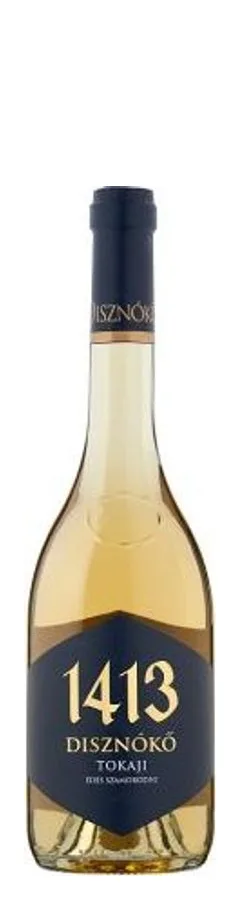
Tokaj12.5%

Tokaj11%


FurmintTokaj11%
Szekszárd wine pairs naturally with paprika, roast meat, mushrooms and charred vegetables because its reds combine ripe fruit with spice and acidity.
Kadarka and siller suit lighter dishes and a slight chill. Structured Bikavér belongs with richer food, but the best examples do not require a steak simply to keep them occupied.
Szekszárdi Bikavér is a protected dry red blend from Szekszárd in which Kékfrankos and Kadarka help establish a recognisably local style.
The name Bikavér, or Bull’s Blood, is shared with Eger, but each region has its own production rules. Szekszárd’s warmer loess hills and emphasis on Kadarka generally produce a softer, more fragrant expression.
No single grape should dominate. Kékfrankos brings acidity and dark cherry; Kadarka contributes perfume and spice; Cabernet Franc, Merlot and Cabernet Sauvignon may supply body and tannin. The skill is integration.
“Dűlő” means vineyard and indicates a named site. “Siller” describes a wine between rosé and red, made with more skin contact than rosé and less extraction than a conventional red. It is useful with food and deserves better than being treated as a colour-control accident.
Szekszárd is best known for Kadarka, Kékfrankos and Szekszárdi Bikavér. Cabernet Franc and other Bordeaux varieties also make important reds.
Kadarka is a thin-skinned black grape that makes pale, fragrant red wine with sour cherry, rose, pepper and fine tannin. It is difficult to grow but central to Szekszárd’s identity.
Szekszárdi Bikavér is Szekszárd’s protected version of Bull’s Blood, made from several red grapes. Kékfrankos and Kadarka give the blend its regional centre.
Szekszárd wine is not necessarily heavy. Kadarka, siller and fresh Kékfrankos can be light to medium-bodied, while Bikavér and Cabernet blends are fuller.
Szekszárd emphasises Kadarka, Kékfrankos and Bikavér on loess hills. Villány is warmer in style and more strongly associated with Cabernet Franc and Bordeaux blends.
Kadarka, siller and lighter Kékfrankos suit 13-15°C. Fuller Bikavér and Cabernet-based reds are best around 16-18°C.
Structured Szekszárdi Bikavér, Kékfrankos and Cabernet Franc can age well. Kadarka is usually enjoyed earlier, though concentrated old-vine examples can develop complexity.
Szekszárd wine can offer good value because its regional grapes remain less internationally famous than comparable quality reds. Look for balance and clear origin rather than maximum concentration.
Szekszárd wine is worth buying for Kadarka’s perfume, Kékfrankos’s energy and Bikavér blends that unite warmth with savoury detail.
Cabernet grapes can be excellent here, but they are supporting evidence rather than the whole case. The district is most distinctive when its reds move easily at the table and the loess hills appear as texture, not marketing geology. Szekszárd understands that generosity need not sit heavily.