




Royal Tokaji On the QT Bin 35 Szent Tamás Dry Furmint
FurmintTokaj202313.5%
£20.00

Basalt above Balaton makes whites with breadth and a backbone.
Hungary
Lake Balaton appears serene from the shore. The hills behind it tell a more violent story. Badacsony and its neighbouring basalt forms are the eroded remains of volcanoes, their dark caps holding the landscape together while vines occupy the warmer slopes below.
The wines are predominantly white. Olaszrizling gives apple, almond and steady refreshment. Szürkebarát, the Hungarian name for Pinot Gris, can be broad and spicy. Kéknyelű is rarer, more demanding and capable of tense, long-lived wine. Rózsakő, Zeus and other local varieties prevent the district from becoming a familiar international list with attractive geology.
Lake and hill work together. Water moderates temperature; basalt stores warmth; altitude and wind preserve acidity. Good Badacsony has weight without languor: sun gives breadth, while elevation and airflow keep the finish moving.


 and more, live from leading UK retailers
Badacsony wine comes from a protected district on the northern side of Lake Balaton and is best known for dry whites grown on basalt hills.
The district includes Badacsony itself and several separate volcanic hills around the Tapolca Basin. Basalt and volcanic debris mix with clay, loess, sand and ancient sedimentary material. The lake moderates temperature and reflects light, while slopes provide drainage and airflow.
Olaszrizling, unrelated to Riesling, is the practical mainstay. It can make fresh apple-and-almond whites or more concentrated vineyard wines. Kéknyelű is the local rarity, historically dependent on separate pollinating vines because its flowers are functionally female. It produces firm, subtle wine that often needs time.
Szürkebarát means Grey Friar and is the local name for Pinot Gris. It can range from dry and mineral to fuller, spicy or gently sweet. Rózsakő, a crossing involving Kéknyelű, gives aromatic, structured whites and helps carry local identity into modern vineyards.
Tourism makes the district visible, but it also raises land pressure and encourages easy summer wine. The serious bottles prove that lake wine need not end when the holiday does.
Badacsony wine commonly tastes of apple, pear, quince, citrus, almond, herbs and smoke, with medium-full texture and firm acidity.
Olaszrizling gives green apple, lemon, herbs and a characteristic almond note. Simple wines are brisk; lower-yield or site-specific examples gain weight, saltiness and a longer finish.
Kéknyelű is more reserved. Citrus, orchard fruit, herbs and smoke develop over a tight acidic frame, and bottle age may add wax and honey. Szürkebarát is broader, with pear, peach and spice, while Rózsakő can bring flowers and ripe stone fruit.
The regional risk is heaviness. Warm slopes, later picking and residual sugar can produce impressive breadth, but Lake Balaton has already supplied the view. The wine still needs definition.
Badacsony wine comes from a chain of volcanic hills around the Tapolca Basin on Lake Balaton’s northern shore.
Roman and medieval viticulture preceded a long period of church and estate ownership. Phylloxera altered the grape mix, while twentieth-century collective production favoured volume. Since the 1990s, small estates and renewed interest in Kéknyelű and named hills have restored regional detail.
FurmintTokaj202313.5%

Pinot Grigio10.5%

FurmintTokaj

Pinot Blanc, Viognier

Pinot Grigio

White blend

Blaufränkisch202213%

Pinot Grigio10.5%

Tokaji202212.5%

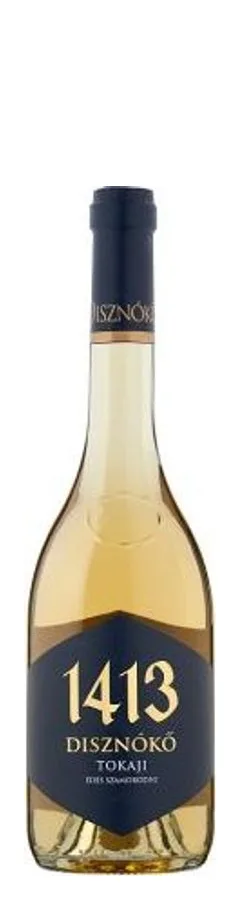
Tokaj12.5%

Tokaj11%


FurmintTokaj11%
Badacsony wine pairs well with freshwater fish, pork, creamy sauces and vegetables because its whites combine texture with cleansing acidity.
Fresh Olaszrizling is the easiest all-purpose choice. Mature Kéknyelű deserves food with savoury depth rather than a highly spiced dish that erases its quieter detail.
Kéknyelű is important in Badacsony because the rare white grape has a long regional history and produces structured wines particularly suited to the district’s volcanic slopes.
The name means blue stalk, referring to the colour of the leaf stem. Kéknyelű traditionally required another grape flowering nearby for pollination, which made yields uncertain and discouraged large-scale planting.
In the glass it is usually subtle rather than aromatic. Citrus, orchard fruit, herbs and a smoky or salty impression sit over high acidity. The best examples need bottle age, making them an inconvenient summer souvenir and a compelling serious wine.
“Szürkebarát” is Pinot Gris. “Olaszrizling” is Welschriesling and is not related to Rhine Riesling. “Dűlő” means vineyard. These translations are useful because a Badacsony label can otherwise look like a test set by the lake after lunch.
Badacsony is best known for volcanic dry whites from Olaszrizling, Kéknyelű and Szürkebarát. Fuller late-harvest and limited red styles also exist.
Kéknyelű is a rare Hungarian white grape closely associated with Badacsony. It makes subtle, high-acid wine with citrus, herbs and good ageing capacity.
Olaszrizling is not the same grape as Rhine Riesling. It is the Hungarian name for Welschriesling and typically gives apple, herbs and almond.
Badacsony wine can give smoky, salty or stony impressions, but basalt is not a flavouring. Geology influences drainage, heat and vine growth, while winemaking and perception shape the final taste.
Lake Balaton moderates temperature, reflects sunlight and can extend ripening on nearby slopes. It also raises humidity, making airflow and vineyard position important.
Badacsony white wine is best around 9-13°C. Fuller, mature or skin-contact examples should be served towards the warmer end of that range.
Kéknyelű, concentrated Olaszrizling and serious regional blends can age well. Simple fresh whites are intended for earlier drinking.
Badacsony wine can offer good value when judged against other site-specific volcanic whites, although limited British supply raises prices. Regional character should be clear enough to justify the premium.
Badacsony wine is worth buying for textured, high-acid whites that combine Lake Balaton’s moderating influence with a genuine diversity of volcanic hills.
Olaszrizling is the dependable starting point; Kéknyelű is the distinctive prize. Avoid assuming that every smoky note proves geology or that every broad white is profound. The best bottles carry their weight briskly and remain interesting when the view is no longer available.