




Royal Tokaji On the QT Bin 35 Szent Tamás Dry Furmint
FurmintTokaj202313.5%
£20.00

Bull’s Blood has acquired manners without losing its argument.
Hungary
Bull’s Blood is a name designed to reach the far end of a noisy room. It did. For many British drinkers, it remains the only Hungarian red wine lodged in memory, usually alongside a bottle whose chief virtue was surviving the journey home from the 1980s.
Modern Eger deserves a fresh hearing. Egri Bikavér is a regulated red blend whose best versions combine Kékfrankos fruit, spice and acidity with the depth of several supporting grapes. Egri Csillag applies the regional instinct for blending to white wine. Pinot Noir, Kadarka and single-vineyard wines add other voices.
The region lies around the city of Eger in the foothills of the Bükk Mountains. Volcanic tuff, rhyolite, limestone and varied exposures create a cooler red-wine style than Hungary’s southern districts. The point is not that Bull’s Blood has become respectable. The point is that Eger has become specific.


 and more, live from leading UK retailers
Eger wine comes from a protected wine district in northern Hungary and is best known for Egri Bikavér, a multi-grape red blend led in character by Kékfrankos.
Bikavér means Bull’s Blood, but the colourful English name is not a technical definition. Contemporary Egri Bikavér follows regional rules controlling authorised grapes, blending and quality levels. No single variety should overwhelm the wine. Kékfrankos commonly supplies the bright fruit, acidity and peppery frame around which Kadarka, Cabernet Franc, Merlot, Cabernet Sauvignon and other permitted grapes are assembled.
Egri Csillag, meaning Star of Eger, is the white counterpart. It is also a blend, usually bringing together Carpathian Basin grapes such as Olaszrizling, Leányka, Királyleányka, Hárslevelű or Zengő with other authorised varieties. The aim is regional identity through composition rather than a single headline grape.
Eger also makes Pinot Noir, Kadarka, Kékfrankos and Bordeaux varieties as varietal wines. Whites range from brisk and floral to textured and oak-matured. The climate generally favours acidity and savoury detail over the fuller ripeness associated with Villány.
The best labels give useful coordinates: the Eger name, a recognised category, the blend or grape, and sometimes a village or vineyard. The worst rely on Bull’s Blood nostalgia to do the work. A charging animal remains easier to print than balance is to achieve.
Eger wine commonly tastes of sour cherry, raspberry, plum, pepper, herbs and earth in red styles, while whites bring apple, pear, citrus, flowers and almond.
Egri Bikavér should taste blended rather than muddled. Kékfrankos brings red and dark berries, pepper and acidity. Kadarka can add fragrance and lightness. Cabernet Franc, Merlot and Cabernet Sauvignon contribute darker fruit and tannin, while oak may add spice and toast.
Lighter Bikavér is juicy and savoury enough for everyday food. More ambitious Superior and Grand Superior wines can carry greater concentration, vineyard character and ageing capacity. The danger is extraction without energy, especially when oak and late-picked Bordeaux grapes obscure Eger’s natural freshness.
Egri Csillag is usually dry, fresh and aromatic, with citrus, orchard fruit, flowers and gentle spice. Varietal Pinot Noir can be pale, earthy and red-fruited. Kadarka is lighter and more perfumed, while Kékfrankos generally offers firmer acidity and colour.
Eger wine comes from hills around the city of Eger, where the Bükk Mountains moderate a continental climate and volcanic, sedimentary and limestone-derived soils create varied sites.
Eger’s cellar culture and red blends have deep roots, but the Bull’s Blood name accumulated inconsistent meanings during twentieth-century mass production. Modern origin rules, smaller yields and vineyard labelling have shifted the argument from folklore towards composition and place.
FurmintTokaj202313.5%

Pinot Grigio10.5%

FurmintTokaj

Pinot Blanc, Viognier

Pinot Grigio

White blend

Blaufränkisch202213%

Pinot Grigio10.5%

Tokaji202212.5%

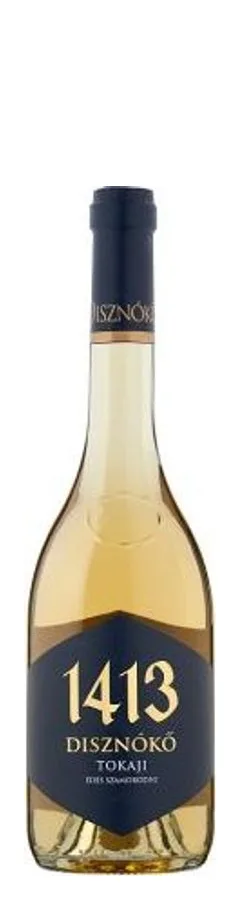
Tokaj12.5%

Tokaj11%


FurmintTokaj11%
Eger wine suits savoury food because its reds combine fruit with acidity and spice, while its white blends stay fresh enough for herbs, cream and fried dishes.
Choose the weight of the blend to match the dish. A fresh Classicus Bikavér is more useful with sausages than a dense, oak-led red built for longer ageing.
Egri Bikavér and Egri Csillag are protected regional blends, not brand names or single grape varieties.
Egri Bikavér is Eger’s regulated dry red blend. Several authorised grapes must be used, and no single component should dominate. Kékfrankos is central to the style, with quality categories controlling yield, ripeness, maturation and geographical precision.
Egri Csillag is a dry white blend created to express Eger through multiple grapes. Carpathian Basin varieties must play a meaningful role, while aromatic and international grapes may support the blend within the rules.
Classicus is the accessible regional level. It generally prioritises fruit, freshness and earlier drinking, though the legal term is not permission for carelessness.
Superior imposes tighter production requirements and allows a more concentrated, ageworthy expression. It may also carry more precise origin information.
Grand Superior is the most exacting category and is associated with specified villages or vineyards, lower yields and greater ripeness. It is the label to inspect when Eger’s site identity matters most.
Bull’s Blood is the English name for Bikavér, a regulated Hungarian red blend made in Eger and Szekszárd under separate regional rules. Egri Bikavér is the Eger version.
Egri Bikavér uses several authorised red grapes, commonly including Kékfrankos, Kadarka, Cabernet Franc, Merlot and Cabernet Sauvignon. The blend is designed so that no single grape overwhelms the regional style.
Egri Bikavér is a dry red wine. Its ripe fruit and oak may create an impression of sweetness, but residual sugar is not the point of the style.
Egri Csillag is Eger’s protected dry white blend. Its name means Star of Eger, and it uses several authorised white grapes rather than one fixed recipe.
Eger Bikavér usually reflects a cooler northern climate and often feels firmer and more savoury. Szekszárd Bikavér comes from warmer loess hills and frequently shows softer tannin and riper fruit.
Light Eger reds, especially Kadarka and fresh Kékfrankos, suit 13-15°C. Structured Bikavér is better around 16-18°C.
Superior and Grand Superior Egri Bikavér, serious Kékfrankos and some Pinot Noir can age well. Fresh Egri Csillag and simple regional wines are generally intended for earlier drinking.
Eger wine can offer good value because British recognition remains lower than the quality of its best blends and vineyard wines. The most useful buys name the category, grape or precise origin rather than relying on the Bull’s Blood nickname alone.
Eger wine is worth buying when the region’s natural freshness remains visible beneath the blend. Kékfrankos-led Bikavér, fragrant Kadarka, Pinot Noir and well-composed Egri Csillag provide several convincing routes in.
The old name still opens the door, but it no longer needs to decorate every room. Avoid bottles that trade entirely on folklore or bury the fruit under oak. Modern Eger is strongest when each grape contributes and the vineyard has the final word.