




Royal Tokaji On the QT Bin 35 Szent Tamás Dry Furmint
FurmintTokaj202313.5%
£20.00

Sweet fame, dry ambition and a landscape built from volcanoes.
Hungary
Tokaj has the rare problem of being famous for something magnificent. Tokaji Aszú is one of the world’s great sweet wines, which ought to make life simple. Instead, its reputation can leave the dry wines overlooked and the sweet ones waiting unopened for an occasion grand enough to deserve them.
That is a waste of both styles. Dry Furmint can be taut, smoky and appetising. Hárslevelű brings perfume and breadth. Szamorodni can be dry or sweet, while late-harvest wines provide a softer introduction to Tokaj’s botrytised fruit. Aszú itself belongs at the table more often than the locked cabinet.
The landscape explains the range. Vineyards run through the Zemplén Hills above the Bodrog and Tisza rivers, over a complicated inheritance of volcanic rocks and soils. Autumn humidity helps noble rot develop, but site, grape and harvest decisions determine whether the result is dry, gently sweet or intensely concentrated. Tokaj is not one wine. It is an unusually coherent system for turning the same place into several.


 and more, live from leading UK retailers
Tokaj wine comes from north-eastern Hungary and is best known for whites made from Furmint and Hárslevelű, ranging from bone-dry to the botrytised sweetness of Tokaji Aszú.
Tokaj is both a region and a protected name. The historic vineyard zone follows the lower slopes of the Zemplén Hills towards the Slovak border. Its wines use a small group of authorised white grapes, led by Furmint, which supplies acidity and structure, and Hárslevelű, which adds fragrance and a broader texture.
The region’s sweet wines depend on noble rot, or botrytis cinerea, developing under favourable autumn conditions. Healthy ripe grapes, partially botrytised bunches and individually selected aszú berries can all enter different styles. The distinctions are practical, not ceremonial. They tell you how the fruit was harvested and how concentrated the resulting wine is likely to taste.
Dry wine now forms a major part of Tokaj’s identity. Some examples are fresh and direct; others come from named villages or vineyards and may be fermented or matured in oak. Good dry Furmint carries ripe citrus and orchard fruit without losing the acidity that makes another glass seem sensible.
British availability remains selective. The useful approach is to choose by style first, then grape and origin. A bottle labelled simply Tokaji tells you less than one naming Furmint, Szamorodni, Aszú or a specific village.
Tokaj wine can taste of lemon, apple, quince, apricot and herbs when dry, or orange peel, honey, saffron and dried fruit when noble rot and sweetness enter the picture.
Dry Furmint is usually the firmest style. Its high acidity frames lemon, green apple, pear and quince, sometimes with smoky, salty or stony impressions. Oak can add texture and spice, but too much turns precision into furniture.
Hárslevelű is generally more floral and generous, with pear, peach, blossom and honeyed notes. Sárga Muskotály, the local name for Muscat Blanc à Petits Grains, contributes grape, citrus and flowers. These varieties may appear alone or in blends.
Sweet Tokaj gains complexity from botrytis. Apricot, marmalade, honey, tea, mushroom, ginger and saffron are common references, balanced by unusually insistent acidity. Szamorodni varies from dry to sweet. Aszú is concentrated and long-lived, while Eszencia is a rare, syrup-like essence with very low alcohol. Concentration matters, but balance is what makes the sweetness exciting.
Tokaj wine comes from vineyards around 26 settlements in the Zemplén Hills, where volcanic geology, slope and the Bodrog and Tisza rivers create marked differences between villages and sites.
Tokaj established an early system of vineyard and origin protection in the eighteenth century. Its reputation survived political partition, phylloxera, war and the quality compromises of state-controlled production. Since the end of communist rule, investment and smaller estates have rebuilt both sweet-wine standards and serious dry wine.
FurmintTokaj202313.5%

Pinot Grigio10.5%

FurmintTokaj

Pinot Blanc, Viognier

Pinot Grigio

White blend

Blaufränkisch202213%

Pinot Grigio10.5%

Tokaji202212.5%

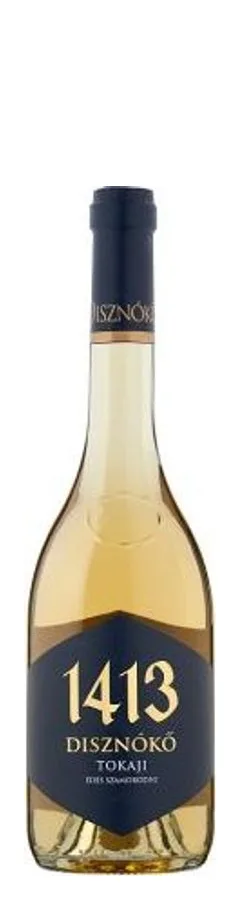
Tokaj12.5%

Tokaj11%


FurmintTokaj11%
Tokaj wine pairs broadly because high acidity can refresh rich food in both dry and sweet styles.
Dry Furmint works much like serious dry Riesling at the table. Aszú is most convincing with salty, rich or gently spiced food, and a dessert should be less sweet than the wine.
Tokaj label terms distinguish dry wine from several forms of sweet wine, and the differences are central to understanding what is in the bottle.
Tokaji is the adjective meaning from Tokaj. In British usage, it often appears before a style such as Tokaji Aszú. Tokay is an older English spelling and should not be confused with unrelated grapes once carrying similar names elsewhere.
Szamorodni is made from whole bunches containing a mixture of healthy, ripe and botrytised grapes. It may be száraz, meaning dry, or édes, meaning sweet. The style can show nuts, dried fruit and savoury complexity as well as sweetness.
Aszú uses individually selected botrytised berries added to fermenting must, wine or a related base before pressing and maturation. Modern labels express concentration through residual sugar rather than relying on the old puttonyos measure alone. Tokaji Aszú must meet regulated sweetness and ageing requirements.
Eszencia is made from the free-run juice that seeps from aszú berries under their own weight. It is intensely sweet, extremely low in alcohol and produced in tiny quantities. This is closer to a concentrated natural essence than a conventional glass of wine.
Late-harvest Tokaj is made from grapes picked later for greater ripeness and often some botrytis. It generally offers a more approachable, less concentrated sweet style than Aszú.
Dűlő means vineyard. A named dűlő indicates a more precise origin, though it does not guarantee quality by itself. Producer, grape and balance still matter.
Tokaj wine is not always sweet. The region makes dry Furmint and blends as well as late-harvest, Szamorodni, Aszú and Eszencia.
Tokaji is made principally from Furmint and Hárslevelű. Sárga Muskotály, Kövérszőlő, Zéta and Kabar are also authorised.
Tokaji Aszú is a sweet wine made using individually selected grapes affected by noble rot. Its high sugar is balanced by naturally high acidity.
Tokaji Aszú uses separately selected botrytised berries, while Szamorodni is made from whole bunches containing both healthy and botrytised grapes. Szamorodni can be dry or sweet.
Dry Tokaj is best around 9-12°C, while sweet Tokaj suits 8-10°C. Excessive chilling hides the fragrance and texture of more complex wines.
Tokaji Aszú can age for decades because sugar, acidity and concentration provide exceptional stability. Serious dry Furmint and good Szamorodni can also develop well in bottle.
Tokaj is the Hungarian region, and Tokaji means a wine from it. Tokay is an older spelling that also appeared historically on unrelated wines, so current labels and origin matter.
A beginner should try dry Furmint and a half bottle of Tokaji Aszú. Together they show the structural acidity and the sweet-wine tradition without pretending the region has only one setting.
Tokaj wine is worth buying because its dry and sweet styles share a clear regional logic: high-acid grapes, long autumns, volcanic sites and unusually exact decisions about harvest.
Aszú deserves its reputation, but reverence should not make it undrinkable in the practical sense. Open it with blue cheese, pâté or an ordinary pudding. Dry Furmint offers the easier weekly route into the region, provided oak has not muffled the vineyard. Tokaj has survived centuries of being admired. It now deserves to be drunk.