




Royal Tokaji On the QT Bin 35 Szent Tamás Dry Furmint
FurmintTokaj202313.5%
£20.00

Hungary meets Austria here, but Kékfrankos keeps its own passport.
Hungary
A vineyard outside Sopron can feel culturally Austrian before the label confirms that it is Hungarian. Lake Fertő becomes Neusiedler See across the border, Kékfrankos becomes Blaufränkisch, and cellar traditions have travelled back and forth for centuries without waiting for a marketing department.
The grape is the region’s centre. Sopron Kékfrankos can be bright with sour cherry and pepper, or darker, firmer and capable of ageing. Zweigelt, Pinot Noir and Cabernet Franc also appear, while Grüner Veltliner, Chardonnay and other whites occupy a smaller but credible place.
The border is explanatory, not the whole story. Lake Fertő moderates the continental climate, the Alps bring cooler air, and varied gneiss, schist, limestone, loess and clay create several expressions around Sopron and Kőszeg. The best wines do not taste halfway between two countries. They taste fully at home in a landscape that predates the checkpoint.


 and more, live from leading UK retailers
Sopron wine comes from Hungary’s far western border and is best known for fresh, spicy reds made from Kékfrankos around Lake Fertő and the foothills near Austria.
Kékfrankos combines red and dark berries with pepper, herbs and naturally firm acidity. In lighter wines it is juicy and brisk. Lower yields, warmer sites and maturation can produce darker, more structured examples with good ageing potential.
Zweigelt gives softer cherry fruit, while Pinot Noir suits selected cooler sites. Cabernet Franc and Cabernet Sauvignon may add depth to blends. Whites include Grüner Veltliner, called Zöld Veltelini, along with Chardonnay, Zenit and aromatic varieties.
Lake Fertő moderates winter cold and autumn temperature, while humid air can aid or complicate ripening. Alpine weather brings cooling influence. The resulting style is generally fresher than Hungary’s southern red regions.
Sopron’s labels may use Hungarian grape names even when a British drinker recognises their Austrian equivalents. This is a translation issue, not evidence that the wine has crossed the road.
Sopron wine commonly tastes of sour cherry, blackberry, violet, pepper and herbs, with firm acidity and medium tannin.
Kékfrankos is the clearest expression: cherry and blackberry, often with pepper, violet and a savoury mineral impression. Oak can add spice, but excessive new wood easily suppresses the grape’s energy.
Zweigelt is rounder and more immediately fruity. Pinot Noir brings pale red fruit and earth. Cabernet-based wines are fuller but less uniquely Sopron unless the climate’s freshness remains evident.
White wines tend towards apple, citrus and herbs. The overall regional advantage is movement. Even structured reds should finish with enough acidity to invite food rather than a period of reflection.
Sopron wine comes from vineyards around Lake Fertő and the western Hungarian border, with a separate historic sector around Kőszeg.
German-speaking citizens and cross-border trade shaped Sopron’s wine culture for centuries. Political borders shifted while the vineyards remained connected to Burgenland. Modern producers increasingly emphasise individual sites and less extractive Kékfrankos.
FurmintTokaj202313.5%

Pinot Grigio10.5%

FurmintTokaj

Pinot Blanc, Viognier

Pinot Grigio

White blend

Blaufränkisch202213%

Pinot Grigio10.5%

Tokaji202212.5%

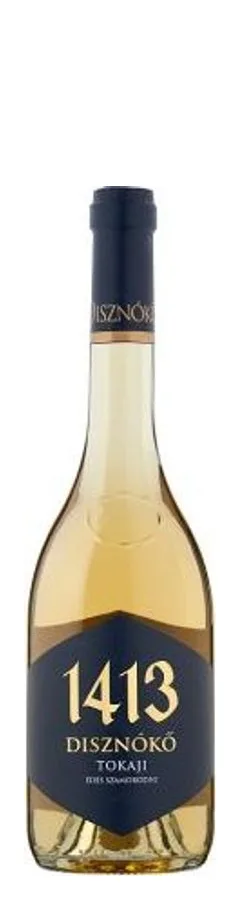
Tokaj12.5%

Tokaj11%


FurmintTokaj11%
Sopron wine pairs well with pork, duck, mushrooms and paprika because Kékfrankos combines bright fruit with savoury spice.
Serve lighter Kékfrankos and Zweigelt slightly cool. Their acidity makes them unusually effective red wines for dishes that might otherwise receive a white.
Kékfrankos and Blaufränkisch are the same black grape, with the Hungarian and German names reflecting the border cultures in which it is grown.
“Kékfrankos” is the normal name on Hungarian labels. “Blaufränkisch” is widely used in Austria and internationally. The grape’s identity remains the same, although climate, soil and winemaking alter the style.
“Soproni” means from Sopron. “Dűlő” means vineyard. “Zöld Veltelini” is the Hungarian name for Grüner Veltliner.
The name Kékfrankos is often linked to a story in which Napoleonic soldiers paid for local wine with blue francs. The tale is attractive and historically doubtful. The grape’s acidity is more reliable evidence.
Sopron is best known for Kékfrankos, the Hungarian name for Blaufränkisch. The district also makes Zweigelt, Pinot Noir and dry whites.
Sopron wine is Hungarian. The district borders Austria and shares Lake Fertő, climate influences and grape traditions with Burgenland.
Kékfrankos and Blaufränkisch are names for the same grape. Regional conditions and winemaking explain differences between Hungarian and Austrian examples.
Sopron Kékfrankos tastes of sour cherry, blackberry, pepper, violet and herbs. It usually has lively acidity and medium to firm tannin.
Light Sopron Kékfrankos and Zweigelt suit 13-15°C. Structured vineyard reds are better around 16-18°C.
Structured Kékfrankos and some Cabernet Franc can age well for a decade or more. Light reds, rosé and aromatic whites are intended for earlier drinking.
Lake Fertő moderates seasonal temperature and extends autumn ripening. It also increases humidity, so airflow and vineyard management matter.
Sopron wine can offer good value compared with better-known Blaufränkisch regions. British distribution is limited, so the best buys show clear fruit, freshness and origin.
Sopron wine is worth buying for Kékfrankos with cool-climate energy and for a borderland identity that appears in the glass rather than merely in the history.
Avoid reds pushed towards southern weight or international oak polish. The district’s strength is acidity, pepper and a long season around Lake Fertő. Sopron does not need to choose between Hungary and Austria. Geography has already made the arrangement.