




Royal Tokaji On the QT Bin 35 Szent Tamás Dry Furmint
FurmintTokaj202313.5%
£20.00

One hyphen, several origins and Olaszrizling with uncommon precision.
Hungary
Balatonfüred-Csopak looks like one long name because it is doing several jobs at once. The protected district follows the north-eastern shore of Lake Balaton, but Csopak, Füred, Tihany and the Nivegy Valley now carry more precise rules of their own. The hyphen is only the beginning.
Olaszrizling is the white thread through most of the region. In Csopak it can be taut, almond-edged and shaped by red sandstone or limestone-rich soils. Farther west, volcanic influence begins to appear. Around Tihany, the story changes colour: the separate PDO is devoted to rosé and red wine.
This could become a handbook exercise very quickly. The practical point is simpler. Lake Balaton moderates the climate, the Bakony Hills send cooler air south, and a changing geological strip gives one grape several expressions. Read the specific place on the label. It is there because the landscape refuses to be summarised by the view.


 and more, live from leading UK retailers
Balatonfüred-Csopak wine comes from a protected district on Lake Balaton’s north-eastern shore and is best known for dry Olaszrizling with firm acidity, almond notes and clear local differences.
The vineyards rise from the lake towards the Veszprém Plateau. Cool air descends from the Bakony Hills, while water moderates seasonal temperature and extends autumn. Forest, slope and distance from the lake alter humidity and airflow.
Geology changes from volcanic material in the west through limestone, marl and dolomite to red Permian sandstone around Csopak. Olaszrizling responds with shifts in texture, fruit and savoury character. Furmint is permitted within stricter Csopak blends, while Pinot Gris, Chardonnay, Juhfark and aromatic varieties appear elsewhere.
Tihany is the red exception. Its volcanic peninsula and long season suit Kékfrankos, Zweigelt and Bordeaux varieties, and the Tihany PDO permits rosé and red rather than white.
Several nested PDOs make the label precise but complicated. “Balatonfüred-Csopak” is the broad district. “Csopak”, “Füred”, “Nivegy Valley” and “Tihany” identify tighter origins and rules. The name with the fewest kilometres behind it usually tells the most useful story.
Balatonfüred-Csopak wine commonly tastes of apple, lemon, pear, almond and herbs, while Tihany reds add cherry, plum, pepper and rounded tannin.
Olaszrizling ranges from fresh citrus-and-apple wine to concentrated village and vineyard expressions. Almond often appears on the finish. Red sandstone sites may feel taut and savoury, while limestone and marl can bring a broader, chalkier texture.
Furmint adds quince, smoke and acidity to Csopak wines within permitted proportions. Pinot Gris is fuller and spicier. Tihany Kékfrankos and blends show ripe cherry, plum and pepper with smoother tannins than the district’s white-wine reputation might suggest.
Residual sugar and excessive ripeness can blur the regional distinction. The best wines feel complete without losing the small bite that makes Olaszrizling useful at lunch.
Balatonfüred-Csopak wine comes from slopes between Lake Balaton and the Veszprém Plateau, with increasingly precise PDOs identifying Csopak, Füred, Nivegy Valley and Tihany.
Monastic estates, including the Benedictine Abbey of Tihany, shaped medieval viticulture. Phylloxera and twentieth-century mass production changed the grapes and vineyard pattern. Since the 1990s, revived sites and successive local PDOs have made origin protection unusually active.
FurmintTokaj202313.5%

Pinot Grigio10.5%

FurmintTokaj

Pinot Blanc, Viognier

Pinot Grigio

White blend

Blaufränkisch202213%

Pinot Grigio10.5%

Tokaji202212.5%

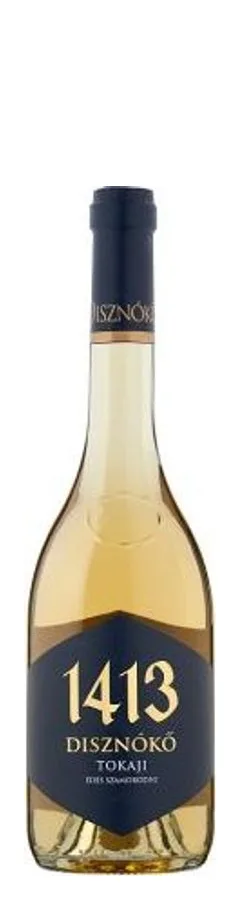
Tokaj12.5%

Tokaj11%


FurmintTokaj11%
Balatonfüred-Csopak wine works with fish, pork, cream, herbs and vegetables because Olaszrizling combines gentle fruit with acidity and a savoury finish.
Fresh district-level Olaszrizling is easy with everyday food. More concentrated village and vineyard wines deserve simpler dishes that leave their texture and subtle differences visible.
Balatonfüred-Csopak labels become manageable when the reader starts with the narrowest place name and then checks the grape and colour.
“Balatonfüred-Csopak” is the broad protected district. A wine may use this name without meeting the tighter rules of the nested PDOs.
“Csopak” identifies a stricter dry white origin built around Olaszrizling, with Furmint permitted only as a smaller component. “Hegybor” means village wine, while “dűlős” or a named dűlő identifies a single-vineyard wine.
“Füred” permits white, rosé and red wine, including village and vineyard expressions of Olaszrizling and Kékfrankos. “Nivegy Valley” has its own origin rules, again centred on Olaszrizling. “Tihany” is restricted to rosé and red wine.
The system reflects real local organisation, but greater precision is not an automatic trophy. It is a promise that the wine comes from a smaller place and followed tighter rules.
Balatonfüred-Csopak is best known for dry Olaszrizling. Tihany provides a distinct local tradition of rosé and red wine.
Olaszrizling is not Rhine Riesling. It is the Hungarian name for Welschriesling and commonly tastes of apple, herbs and almond.
Balatonfüred-Csopak is the broad district PDO. Csopak is a smaller, stricter PDO focused on Olaszrizling-based dry white wine from specified villages and vineyards.
Balatonfüred-Csopak makes red and rosé as well as white wine. Tihany has its own PDO specifically for rosé and red styles.
Lake Balaton moderates temperature, reflects light and extends the growing season. Humidity and cooling breezes vary with elevation, forest and distance from the shore.
Balatonfüred-Csopak white wine is best around 9-13°C. Tihany rosé suits 10-12°C, while red wine is better around 14-17°C.
Single-vineyard Olaszrizling, Furmint-influenced Csopak and structured Tihany reds can age well. Simple fresh whites are designed for earlier drinking.
Balatonfüred-Csopak spans accessible regional whites and more expensive village or vineyard wines. British scarcity can raise prices, so precision should correspond to genuine character.
Balatonfüred-Csopak wine is worth buying for Olaszrizling that moves from easy refreshment to serious site expression within a compact stretch of Lake Balaton.
The nested names require attention, but they also reward it. Csopak, Füred, Nivegy Valley and Tihany are not decorative subdivisions. They describe different grapes, colours, soils and rules. Begin with a clear dry Olaszrizling, then let the label take you closer.