




Royal Tokaji On the QT Bin 35 Szent Tamás Dry Furmint
FurmintTokaj202313.5%
£20.00

Hungary’s sandy plain makes useful wine on consequential ground.
Hungary
Kunság is easier to overlook than a volcanic hill. The landscape between the Danube and Tisza rivers is broad, low and sandy. Much of its wine is made to be affordable, fresh and sold without a lecture on exposure. It performs a daily job.
That scale deserves accuracy rather than condescension. Sand helped parts of the region resist phylloxera because the pest struggles in loose soils. Indigenous and bred varieties such as Kövidinka, Ezerjó, Arany Sárfehér, Cserszegi Fűszeres and Irsai Olivér sit beside Chardonnay, Kékfrankos and Cabernet Sauvignon.
The results range from simple aromatic whites and rosé to traditional-method sparkling, Kadarka and more ambitious site wines. Quality varies because the district is vast. So does purpose. Kunság will not replace Tokaj in a ceremonial toast, but it has supplied far more ordinary Hungarian tables. That is an identity, not an alibi.


 and more, live from leading UK retailers
Kunság wine comes from a large protected district on Hungary’s Great Plain between the Danube and Tisza rivers and spans fresh everyday styles, sparkling wine and smaller quantities of ambitious varietal wine.
The landscape is predominantly flat, warm and dry. Sandy soils drain quickly and have low fertility in many places. Their importance is historical as well as practical: high sand content allowed some vines to survive the phylloxera crisis that devastated European vineyards in the late nineteenth century.
Aromatic whites from Cserszegi Fűszeres, Irsai Olivér and Muscat varieties are commercially important. Kövidinka and Ezerjó make fresh or more neutral whites, while Arany Sárfehér is closely associated with the Izsák area and sparkling base wine.
Kékfrankos, Kadarka, Zweigelt and Cabernet varieties produce rosé and red wine. Modern temperature-controlled winemaking helps retain freshness in a hot climate. The strongest bottles match grape to purpose instead of asking a delicate aromatic variety to carry the weight of regional mythology.
British labels may not always foreground Kunság, especially in inexpensive wine. Where the name appears, it gives useful origin to styles too often treated as anonymously Hungarian.
Kunság wine commonly tastes of grape, elderflower, peach, apple and citrus in white styles, while rosé and reds bring strawberry, cherry and pepper.
Irsai Olivér and Cserszegi Fűszeres are highly aromatic, with grape, flowers, citrus and spice. They are usually light, fresh and best young. Kövidinka is milder, while Ezerjó can be brisk and more structured.
Rosé emphasises strawberry and cherry. Kadarka is light and peppery; Kékfrankos has darker fruit and firmer acidity. Rich reds are possible, but heat management and moderate yields are essential.
Sparkling wine benefits from grapes picked with adequate acidity, particularly around Izsák. Sweet styles exist, though aroma and residual sugar require enough freshness to avoid becoming tiring.
Kunság wine comes mainly from the sandy plain between the Danube and Tisza rivers in central Hungary, with vineyards spread across several substantial production centres.
Viticulture on the Great Plain expanded through practical settlement and market demand. Sandy vineyards gained importance during phylloxera, when many vines survived in soils hostile to the pest. State production later emphasised volume; current producers range from large companies to small estates recovering local grapes and old parcels.
FurmintTokaj202313.5%

Pinot Grigio10.5%

FurmintTokaj

Pinot Blanc, Viognier

Pinot Grigio

White blend

Blaufränkisch202213%

Pinot Grigio10.5%

Tokaji202212.5%

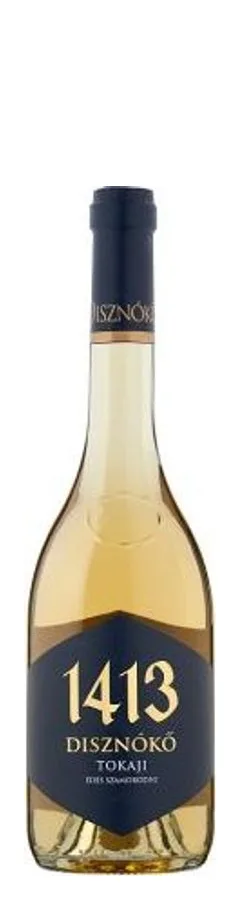
Tokaj12.5%

Tokaj11%


FurmintTokaj11%
Kunság wine pairs best when its fresh aromatic styles are used with spice, salads, fried food and simple grilled dishes.
Young aromatic whites should be served cool and fresh. They suit spice and herbs better than heavy cream or mature cheese, which can flatten their perfume.
Sandy soils matter in Kunság because they drain rapidly, limit vigour in some sites and helped protect vines from phylloxera.
Phylloxera is a root-feeding insect that devastated European vineyards in the nineteenth century. It struggles to move through soils with a very high proportion of loose sand, so some Kunság vines could remain on their own roots.
This does not make every old or ungrafted vine superior. Age, grape, farming and wine quality still need to justify the claim. Sand is an important condition, not a certificate of profundity.
“Kunsági” means from Kunság. “Arany Sárfehér” is a local white grape strongly linked to Izsák. “Cserszegi Fűszeres” is an aromatic Hungarian crossing whose name roughly signals spice from Cserszeg.
Kunság is best known for accessible white and rosé wine, including aromatic styles from Irsai Olivér and Cserszegi Fűszeres. Sparkling wine and reds are also important.
Kunság is a protected wine region with quality ranging from simple high-volume wine to carefully made varietal and site wines. Scale does not determine quality by itself.
Some Kunság vines survived phylloxera because the insect struggles in very sandy soils. Ungrafted vines may therefore exist where sand content is sufficiently high.
Cserszegi Fűszeres is an aromatic Hungarian white grape with floral, grapey, citrus and spicy flavours. It is usually made in a fresh, early-drinking style.
Kunság wine can be dry, off-dry or sweet. Most fresh aromatic whites and rosés are dry or gently off-dry, so the label should be checked.
Kunság sparkling, white and rosé wines suit 7-11°C. Light reds are best around 13-15°C.
Most Kunság aromatic whites and rosés are intended for early drinking. Structured Ezerjó, traditional-method sparkling wine and selected reds may age longer.
Kunság is strongly associated with good-value Hungarian wine. The best buys are clean, fresh and honest about grape and style rather than inflated by unnecessary prestige.
Kunság wine is worth buying for fresh aromatic whites, useful sparkling wine and honest everyday drinking, with occasional more ambitious bottles from local grapes and old sandy vineyards.
Quality is uneven because the region is large and serves many markets. That is a reason to read the grape and style, not to dismiss the origin. Kunság’s strongest wines understand their job and do it cleanly. Plenty of more famous bottles could learn from the arrangement.