




Royal Tokaji On the QT Bin 35 Szent Tamás Dry Furmint
FurmintTokaj202313.5%
£20.00

The abbey owns the skyline; fresh white wine earns the glass.
Hungary
Pannonhalma arrives with eleven centuries of Benedictine history already on the page. The abbey dominates the hill and the visitor’s eye. It would be easy for the wine to survive entirely as heritage, poured respectfully beneath architecture with a much longer finish.
The vineyards make a more immediate case. Cool air, wind and loess over limestone or sandstone favour fresh whites from Olaszrizling, Riesling, Sauvignon Blanc, Traminer and Chardonnay. Pinot Noir and Kékfrankos provide a smaller red counterpoint.
This is a compact district between the Kisalföld plain and the Bakony foothills. Its scale does not support a sprawling guide, and its history should not be asked to fill one. Pannonhalma matters because aromatic, high-acid whites suit how people drink now, not merely because monks understood the site before the rest of us arrived.


 and more, live from leading UK retailers
Pannonhalma wine comes from a small protected district in north-western Hungary and is best known for fresh dry whites grown on breezy hills around the Benedictine abbey.
Olaszrizling gives apple, herbs and almond. Rhine Riesling, labelled Rajnai Rizling, supplies citrus and high acidity. Sauvignon Blanc brings herbs and gooseberry, while Traminer and other aromatic grapes add flowers and spice. Chardonnay can be fresh or more textured through lees and oak.
The hills rise above the Kisalföld plain, exposing vineyards to wind and substantial temperature variation. Loess, clay, sand, limestone and sandstone-derived materials create differences between sites, but the regional pattern is cool-climate freshness rather than weight.
That pattern still allows several interpretations. Early-picked grapes can supply sparkling base wine; aromatic varieties favour brisk stainless-steel styles; Chardonnay and Riesling may gain depth from lees, larger oak or bottle age. Technique is most convincing when it expands texture without removing the breeze from the finished wine.
Pinot Noir and Kékfrankos make light to medium-bodied reds and rosé. Sparkling wine is a logical smaller category because the district can retain acidity.
British availability is limited. Pannonhalma is therefore a specialist purchase, best approached through a clearly named grape rather than the hope that ecclesiastical history has entered the bottle.
Pannonhalma wine commonly tastes of apple, lemon, pear, herbs and flowers, with bright acidity and light to medium body.
Riesling is citrus-led and firm, while Olaszrizling is quieter and almond-edged. Sauvignon Blanc is herbal and aromatic. Traminer brings rose and spice, which needs enough acidity to avoid becoming perfumed upholstery.
Chardonnay can carry more texture, especially with lees ageing or oak. Pinot Noir gives cherry and earth; Kékfrankos adds darker berries and pepper.
The wines are generally about clarity and freshness. Richer styles succeed when they retain the district’s cool outline.
Pannonhalma wine comes from rolling hills around Pannonhalma Abbey, south and east of Győr in north-western Hungary.
The Benedictine Abbey was founded in 996 and became central to local viticulture and agricultural knowledge. Monastic ownership changed through political upheaval and state control. Modern investment restored estate vineyards, but numerous independent growers also define the district today.
The revival has involved more than reinstating an old institution. Growers have reconsidered varieties, sites and the balance between aromatic immediacy and wines capable of ageing. That work gives Pannonhalma a contemporary purpose beyond preserving a handsome agricultural past.
FurmintTokaj202313.5%

Pinot Grigio10.5%

FurmintTokaj

Pinot Blanc, Viognier

Pinot Grigio

White blend

Blaufränkisch202213%

Pinot Grigio10.5%

Tokaji202212.5%

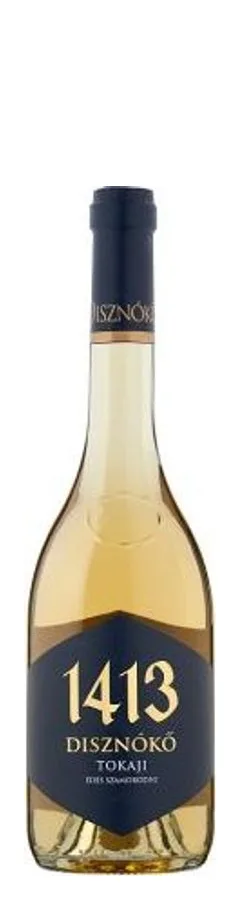
Tokaj12.5%

Tokaj11%


FurmintTokaj11%
Pannonhalma wine pairs well with fish, poultry, fresh cheese and herbs because its whites are fragrant and brisk.
Aromatic whites suit clean, moderately seasoned dishes. Richer Chardonnay can handle cream, while Pinot Noir is useful when mushrooms or roast vegetables make white wine feel too slight.
Pannonhalma’s Benedictine history explains the continuity of local viticulture, but modern grape growing and winemaking determine the quality in the bottle.
The abbey established a durable relationship between the hill, agriculture and written knowledge. That heritage gives the district cultural weight and a recognisable centre.
Wine labels may use “Pannonhalmi”, meaning from Pannonhalma, and “dűlő”, meaning vineyard. “Rajnai Rizling” is Rhine Riesling, while “Olaszrizling” is the unrelated Welschriesling.
History is valuable context, not a tasting note. Fresh acidity, sound fruit and thoughtful maturation remain the better reasons to buy.
Pannonhalma is best known for fresh dry whites from Olaszrizling, Rhine Riesling, Sauvignon Blanc, Traminer and Chardonnay.
Pannonhalma Abbey has a historic and modern role in local wine, but the protected district also contains independent vineyards and producers. The regional identity is broader than one estate.
Pannonhalma wine is mainly dry. Aromatic grapes may smell sweet, but most regional whites finish with fresh acidity and little residual sugar.
Rajnai Rizling is the Hungarian name for Rhine Riesling. It is distinct from Olaszrizling, which is Welschriesling.
Pannonhalma whites suit 8-12°C, with richer Chardonnay towards the warmer end. Light reds are best around 13-16°C.
Serious Riesling, Chardonnay and selected vineyard whites can age well. Most aromatic whites, rosé and simple regional wines are designed for early drinking.
Pannonhalma can offer good value for distinctive cool-climate whites, though limited British supply affects price. A clear grape and fresh regional character matter most.
A beginner should try dry Rhine Riesling or Olaszrizling from Pannonhalma. Sauvignon Blanc offers a more familiar aromatic route into the district.
Pannonhalma wine is worth buying for clean, aromatic whites with the acidity and moderate weight of a windy north-western district.
The abbey gives the region a memorable silhouette, but the best bottles do not depend on borrowed solemnity. Riesling, Olaszrizling and Sauvignon Blanc should taste awake, useful and ready for food. That is quite enough history for one glass.