


Hunter's Pinot Noir 2024
Pinot NoirMarlborough
£23.00

One city, three districts and no single metropolitan taste.
New Zealand
The ferry leaves central Auckland and city glass gives way to harbour wind. On Waiheke, Syrah and Cabernet blends ripen within sight of salt water. Back on the mainland, West Auckland carries the history of immigrant wine families, while Matakana sits farther north among rolling coastal hills.
Auckland is a dispersed region, not an urban vineyard with convenient public transport. Its districts share warmth, humidity, maritime influence and clay-bearing soils, but Waiheke is drier, West Auckland more historically industrial, and Matakana its own northern enclave.
Red wine leads the international reputation: Cabernet and Merlot blends, Syrah and less expected Mediterranean grapes. Chardonnay supplies the strongest white counterpoint. The central question is where wind, rain and drainage allow ripeness to keep its shape.


 and more, live from leading UK retailers
Auckland wine comes from a warm, maritime North Island region containing the registered GIs of Waiheke Island, Kumeu and Matakana, as well as the wider historic vineyards of West Auckland.
Humidity and rainfall create disease pressure, so slope, drainage and airflow matter. Clay-rich and volcanic-influenced soils occur widely, but local geology is varied. Warm seasons allow Syrah, Merlot, Cabernet varieties and Chardonnay to ripen.
West Auckland became a centre of New Zealand wine through Croatian, Lebanese and other immigrant families during the twentieth century. Several businesses later grew into national companies, even as vineyard land within the city declined.
Waiheke now carries the strongest fine-wine reputation. Its island position, wind and comparatively dry sites support structured Cabernet blends, fragrant Syrah and Chardonnay. Matakana is warm and coastal, producing Syrah, Pinot Gris and Bordeaux-style reds from carefully drained slopes.
Auckland wine can be ripe and substantial, but humidity makes vintage and site selection important. Premium island prices should reflect complete wine rather than ferry distance, lifestyle appeal or a view of the harbour.
Auckland wine commonly tastes of blackberry, plum, blackcurrant, violet and pepper in reds, with peach, citrus and toast in Chardonnay.
Syrah is often fragrant and peppery, with dark berries and olive. Cabernet and Merlot blends bring blackcurrant, plum, herbs and firmer tannin. Warmer sites can achieve full ripeness without losing all maritime freshness.
Chardonnay ranges from citrus-led to broad and peachy, often with oak and lees. Pinot Gris and Viognier are fuller aromatic whites. Humid seasons can soften flavour or increase disease risk, so consistency varies more than a simple warm-climate label implies.
Auckland wine comes from Waiheke Island, West Auckland and Matakana, three districts separated by water, city and rural land.
Auckland’s modern wine culture was shaped by immigrant families who planted vineyards, made wine and built national businesses. Waiheke planting expanded later and created a premium island identity. The current region is therefore both an historic industry centre and a set of smaller coastal vineyards.
Pinot NoirMarlborough

RieslingWaipara14%

Pinot NoirMarlborough13.6%

Pinot GrigioMarlborough202513%

Pinot NoirMarlborough13%

ChardonnayHawke's Bay202313.5%
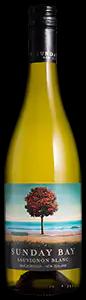
Sauvignon BlancMarlborough

Sauvignon Blanc


ChardonnayMarlborough11.6%

Sauvignon BlancMarlborough


Auckland wine pairs with lamb, beef, grilled vegetables and roast fish because its reds have ripe fruit and savoury spice while Chardonnay carries weight.
Waiheke Syrah suits lamb and smoke while retaining enough perfume for mushrooms. Cabernet blends want protein or slow cooking. Chardonnay handles butter, roast poultry and oily fish.
Waiheke Island is a separately registered GI within the Auckland wine region, which also contains the registered Kumeu and Matakana origins.
Waiheke has the strongest premium identity because island vineyards can be windy, warm and relatively dry. Syrah and Cabernet blends dominate its international reputation.
Kumeu and wider West Auckland hold much of the region’s immigrant and commercial history. Matakana offers a separate coastal district north of the city. The narrower registered names can provide more precise origin than Auckland alone.
Waiheke Island on a label therefore provides greater precision, not a formal quality rank above Auckland, Kumeu or Matakana. The island premium should buy flavour, balance and site expression, not simply a desirable postcode surrounded by water.
Auckland is best known for Waiheke Syrah and Cabernet or Merlot-based blends. Chardonnay is the leading white style.
Waiheke Island is a registered GI within Auckland. Kumeu and Matakana are also separately registered within the wider Auckland GI.
Waiheke Syrah commonly tastes of blackberry, violet, black pepper, olive and herbs. It is usually medium to full-bodied with ripe but structured tannin.
Auckland is warm by New Zealand standards, with a humid maritime climate. Wind, rainfall, slope and drainage create important local differences.
Auckland Syrah is best around 14-16°C, while Cabernet blends suit 15-17°C. Moderate cooling preserves fragrance and limits alcohol warmth.
Structured Waiheke Syrah, Cabernet blends and Chardonnay can age for a decade or more. Balance and vintage conditions matter more than island origin alone.
Auckland wine works with lamb, beef, mushrooms, grilled aubergine, salmon and roast chicken. Match the fuller reds with savoury food rather than sweet sauces.
Waiheke wine can be expensive because land, island logistics and small-scale farming raise costs. Those facts explain price but do not prove quality.
Auckland wine is worth buying for fragrant Syrah, structured Cabernet blends and Chardonnay from a warm climate that remains unmistakably maritime.
Waiheke makes the strongest current case, but the Auckland story is larger and older than the island. Buy the wine for balance and origin. A ferry ride and a sea view are excellent things, but neither belongs in the tannin structure.