


Hunter's Pinot Noir 2024
Pinot NoirMarlborough
£23.00

Chardonnay, Syrah and gravel make Sauvignon share the table.
New Zealand
Cut into a ripe white peach and the juice runs before the knife is down. Hawke’s Bay Chardonnay can have that generosity, but the good bottles keep enough acidity and savoury flavour to prevent fruit becoming upholstery. The region’s Syrah performs a similar trick with blackberry, violet and pepper.
Hawke’s Bay is often reduced to warm gravel and red blends. Gimblett Gravels and the Bridge Pa Triangle deserve their fame, yet river valleys, coastal vineyards, limestone hills and cooler inland sites make a much larger map. Chardonnay grows across it and may be the most reliable guide to those differences.
This is New Zealand wine without Sauvignon Blanc in the leading role. Cabernet and Merlot blends can be structured, Syrah fragrant rather than massive, and Chardonnay complete enough to need no national alibi. Place matters here because warmth is never distributed evenly.


 and more, live from leading UK retailers
Hawke’s Bay wine comes from a warm, diverse eastern North Island region best known for Chardonnay, Syrah and Cabernet or Merlot-based red blends.
The region surrounds Napier and Hastings and extends through plains, river systems, coastal sites and inland hills. The Ngaruroro, Tutaekuri, Esk and Tukituki rivers have shifted over time, leaving gravel, sand, silt and clay in complex patterns. These deposits create large differences in drainage and heat retention.
Gimblett Gravels established a particularly clear red-wine identity on stony former riverbed soils. The nearby Bridge Pa Triangle sits on older terraces with red metal soils, loess, clay and gravel. Both are warm, free-draining areas associated with Syrah and Bordeaux varieties, but neither represents all Hawke’s Bay.
Chardonnay is planted across the map and ranges from ripe, broad and peach-led to citrusy, flinty and tightly structured. Barrel fermentation and lees ageing are common tools, but freshness and fruit remain decisive. Syrah usually favours perfume, pepper and medium weight over the sweet breadth often implied by the Australian name Shiraz.
Merlot can ripen more reliably than Cabernet Sauvignon and often anchors red blends. Cabernet Franc adds perfume; Malbec may add colour and plum. Cooler or elevated sites support Sauvignon Blanc, Pinot Gris and, in selected places, Pinot Noir. Hawke’s Bay succeeds not because it is simply warm, but because growers can match warmth to grape and ground.
Hawke’s Bay wine commonly tastes of peach, citrus and nuts in Chardonnay, with blackberry, plum, violet, pepper and herbs in its leading reds.
Chardonnay may be full-bodied and creamy, but the best examples carry their stone fruit with fresh acidity and savoury lees. Cooler coastal or hillside sites can emphasise citrus and mineral flavours. Warm plains often give riper peach and greater weight.
Syrah offers blackberry, blueberry, violet, black pepper and olive, usually with supple rather than massive tannin. It can resemble northern Rhône Syrah in shape, although New Zealand sunshine often gives more immediate fruit. Heavy extraction and sweet oak can obscure that distinction.
Merlot-led blends bring plum and flesh. Cabernet Sauvignon adds blackcurrant, herbs and firmer tannin, while Cabernet Franc contributes fragrance. Sauvignon Blanc and Pinot Gris are generally riper and broader than Marlborough examples.
Hawke’s Bay wine comes from gravel plains, river valleys, coastal areas, hillsides and cooler inland sites spread across the eastern North Island.
Vines were planted in Hawke’s Bay during the nineteenth century, and long-established estates helped build New Zealand’s modern table-wine culture. Later recognition of gravel areas sharpened the red-wine map. The present task is to give equally clear attention to Chardonnay, hillsides and coast.
Pinot NoirMarlborough

RieslingWaipara14%

Pinot NoirMarlborough13.6%

Pinot GrigioMarlborough202513%

Pinot NoirMarlborough13%

ChardonnayHawke's Bay202313.5%
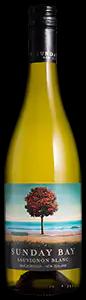
Sauvignon BlancMarlborough

Sauvignon Blanc


ChardonnayMarlborough11.6%

Sauvignon BlancMarlborough


Hawke’s Bay wine pairs with lamb, beef, roast poultry, salmon and mushrooms because its reds combine perfume with structure and its Chardonnay carries both fruit and acidity.
Syrah’s pepper and violet suit lamb without demanding an enormous joint. Chardonnay handles butter, roast poultry and oily fish. Serve powerful reds below warm room temperature so alcohol does not flatten their fragrance.
Gimblett Gravels and Bridge Pa Triangle are defined Hawke’s Bay growing areas that identify origin and soils, not official national quality levels.
Gimblett Gravels is based on a tightly drawn area of gravelly former riverbed. Members use the name under association rules, and red grapes are central to its reputation. Warm stones, drainage and restricted vigour help Syrah and Bordeaux varieties ripen.
Bridge Pa Triangle lies on older terraces with a more mixed pattern of red metal, loess, clay and gravel. It also favours structured reds and Chardonnay. The distinction is geological and geographical, not a simple contest between neighbouring brands.
Neither term guarantees quality. A wine from outside both may come from an excellent limestone hillside or coastal vineyard. A bottle from within either still depends on farming, harvest and winemaking. These names are valuable because they make Hawke’s Bay more exact, not because they finish the judgement.
Hawke’s Bay is best known for Chardonnay, Syrah and Cabernet or Merlot-based red blends. Gimblett Gravels and Bridge Pa Triangle are particularly associated with structured reds.
Syrah and Shiraz are the same grape, but Hawke’s Bay usually uses Syrah to signal a fragrant, peppery and medium-bodied style. The label term does not create a legal difference.
Hawke’s Bay Chardonnay commonly tastes of peach, nectarine, lemon, toast and nuts. Cooler sites and restrained oak can produce more citrus, flint and savoury detail.
Gimblett Gravels is a defined local growing area and association-controlled name within Hawke’s Bay. It is not a separate national quality tier above the Hawke’s Bay Geographical Indication.
Hawke’s Bay Syrah is best around 14-16°C, while Cabernet and Merlot blends suit 15-17°C. Slight cooling preserves perfume and keeps alcohol in proportion.
Fine Hawke’s Bay Chardonnay, Syrah and Bordeaux-style blends can age for a decade or more. Balance, tannin, acidity and concentration matter more than the subregion name alone.
Hawke’s Bay Syrah works with roast lamb, peppered steak, mushrooms and aubergine. Its fragrance also makes it more flexible than a very heavy red.
Hawke’s Bay offers strong value in Chardonnay and Syrah below the most famous international regions. Premium gravel and hillside wines can be expensive, so buy for flavour and origin rather than a celebrated soil word.
Hawke’s Bay wine is worth buying for Chardonnay with fruit and savoury depth, Syrah with pepper rather than bulk, and red blends that use warmth without becoming soft.
The gravel names are helpful, but they can pull attention away from coast, hills and cooler valleys. Start with Chardonnay and Syrah, then compare Gimblett Gravels with Bridge Pa or a coastal site. Hawke’s Bay makes its case through range, not one patch of stones.