


Hunter's Pinot Noir 2024
Pinot NoirMarlborough
£23.00

Martinborough is the headline. The river wrote the wider story.
New Zealand
Wind moves across the Martinborough Terrace with enough purpose to make lunch outside a tactical decision. Inside, Pinot Noir brings cherry, herbs and earth to a plate of mushrooms. Concentration here comes with a savoury edge, not merely darker fruit.
Martinborough is the name most British drinkers recognise, but Wairarapa extends north through Gladstone to Masterton and Opaki. The Ruamahanga River connects much of the landscape, leaving gravel terraces and alluvial soils beneath a dry climate sheltered by the Tararua Range.
Pinot Noir leads, joined by Sauvignon Blanc, Chardonnay, Riesling and Pinot Gris. The region is small, but smallness is not the argument. Its value is the clear relationship between wind, river terraces, cool nights and wines with structure enough to age.


 and more, live from leading UK retailers
Wairarapa wine comes from a compact lower North Island region best known for Pinot Noir, with important vineyards in Martinborough, Gladstone and around Masterton.
The Tararua Range blocks much western rain, while wind crosses the valley and lowers disease pressure. Warm summer days support ripening; cold nights and autumn temperatures preserve acidity. Frost, exposure and limited water can restrict growth, making site and shelter important.
The Ruamahanga River and its tributaries have created gravel terraces, silt and clay across the region. Martinborough’s terraces built the international reputation, but Gladstone river sites and the limestone-bearing land around Opaki widen both soil and style.
Pinot Noir commonly shows cherry, raspberry, herbs, spice and earth, with firmer structure than its perfume initially suggests. Sauvignon Blanc can be concentrated and herbal. Chardonnay and Riesling provide some of the most useful alternatives, particularly when freshness matters more than obvious fruit.
Wairarapa is sometimes sold through scarcity and boutique scale. Neither makes wine good. The region’s case rests on recognisable structure, careful site selection and a modern history in which growers deliberately matched Pinot Noir to climate and soils.
Wairarapa wine commonly tastes of cherry, raspberry, herbs and earth in Pinot Noir, with citrus, gooseberry and stone fruit in its leading whites.
Pinot Noir is the regional centre, often combining fragrance with savoury tannin. Martinborough can give concentrated cherry and plum with herbs and earth. Lighter sites emphasise red fruit and acidity.
Sauvignon Blanc is generally less tropical than Marlborough, with citrus, herbs and texture. Chardonnay ranges from lemony and tight to peachy and barrel-fermented. Riesling brings lime and flowers across dry, off-dry and sweet styles.
Wairarapa wine comes from Martinborough in the south, Gladstone along the Ruamahanga River and vineyards around Masterton and Opaki farther north.
Vines appeared in Wairarapa during the nineteenth century. The modern industry began in earnest around 1980 when soil research and local investment led to new planting on the Martinborough Terrace. Early estates demonstrated that Pinot Noir could build both flavour and structure in the region, and vineyards then spread north.
Pinot NoirMarlborough

RieslingWaipara14%

Pinot NoirMarlborough13.6%

Pinot GrigioMarlborough202513%

Pinot NoirMarlborough13%

ChardonnayHawke's Bay202313.5%
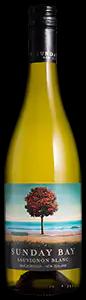
Sauvignon BlancMarlborough

Sauvignon Blanc


ChardonnayMarlborough11.6%

Sauvignon BlancMarlborough


Wairarapa wine pairs with duck, lamb, mushrooms, salmon and goat’s cheese because its Pinot Noir is savoury and its whites retain firm acidity.
Earthy Pinot Noir is the obvious partner for mushrooms and duck. Sauvignon Blanc handles herbs and goat’s cheese, while Riesling is the safer choice when pork, spice or sweetness enters the dish.
Martinborough is part of Wairarapa and has a narrower registered GI, but the wider region also includes Gladstone, Masterton and Opaki.
The Martinborough name built the international reputation through Pinot Noir from free-draining terraces around the village and Te Muna Road. It therefore carries stronger recognition and often a higher price.
Wairarapa is not merely a fallback label. It accurately covers a connected region shaped by the Tararua rain shadow and Ruamahanga river system. Gladstone and Opaki bring different terraces, soils and exposures.
For the buyer, Martinborough supplies greater geographical precision. Wairarapa supplies a broader regional identity and may offer better value. Neither removes the need to know who grew and made the wine.
Wairarapa is best known for Pinot Noir, particularly from Martinborough. Sauvignon Blanc, Chardonnay and Riesling are also important.
Martinborough is the southern and best-known wine district within Wairarapa. Martinborough also has its own narrower registered Geographical Indication.
Wairarapa Pinot Noir commonly tastes of cherry, raspberry, herbs, earth and spice. It is generally medium-bodied with fresh acidity and firm, fine tannin.
Wairarapa Sauvignon Blanc is often more concentrated, herbal and textural than the most overtly tropical Marlborough style. Producer and harvest choices still create overlap.
Wairarapa Pinot Noir is best around 13-16°C. Slight chilling preserves perfume and keeps alcohol and tannin balanced.
Fine Wairarapa Pinot Noir can age for a decade or more, developing mushroom, earth and dried-herb complexity. Structure and balance matter more than scarcity.
Wairarapa Pinot Noir pairs with duck, lamb, salmon, mushrooms and beetroot. Savoury dishes suit its herbal and earthy side.
Wairarapa wine is often premium-priced because production is relatively small and Martinborough has a strong reputation. The wider Wairarapa label can offer value, but small scale alone does not justify the price.
Wairarapa wine is worth buying for Pinot Noir with perfume and savoury structure, plus Sauvignon Blanc and Chardonnay that deserve more attention than their supporting roles suggest.
Martinborough remains the clearest starting point, not the whole destination. Compare it with Gladstone or Opaki when possible. The region’s strength is not being tiny. It is producing wines whose concentration remains articulate rather than loud.