


Hunter's Pinot Noir 2024
Pinot NoirMarlborough
£23.00

Limestone gets attention. Riesling keeps the argument honest.
New Zealand
The nor’wester arrives warm and dry, moving through shelterbelts and taking moisture with it. On the table, roast chicken and a glass of Chardonnay make the region seem calm. In the vineyard, wind, frost and a long season are doing the less photogenic work.
North Canterbury stretches far beyond the cluster of wineries around Waipara. The Canterbury Plains reach towards Christchurch on shallow gravels; Waipara adds shelter, clay and limestone-bearing hillsides; inland sites continue to test the regional boundary.
Pinot Noir, Chardonnay and Riesling carry the strongest identity. Sauvignon Blanc and Pinot Gris matter, but this is not Marlborough repeated farther south. North Canterbury’s best wines are built less around aromatic volume than texture, acidity and savoury length.


 and more, live from leading UK retailers
North Canterbury wine comes from a long eastern South Island region where cool conditions, mountain rain shadow, gravel and limestone-bearing soils favour Pinot Noir, Chardonnay and Riesling.
The registered region extends along the coast with the Southern Alps to the west and the Pacific to the east. Braided rivers have spread greywacke gravel across the Canterbury Plains. Around Waipara, sheltering hills, clay and limestone-derived material create warmer mesoclimates and lower-vigour slopes.
Waipara built the clearest fine-wine identity, particularly through Riesling, Pinot Noir and Chardonnay. The wider North Canterbury name is useful because significant vineyards also lie outside the valley, including the plains and Banks Peninsula.
Riesling ranges from dry and lime-led to off-dry or sweet, with acidity keeping the styles distinct rather than merely sugary. Pinot Noir often shows red cherry, earth and herbs. Chardonnay brings citrus, stone fruit and savoury lees.
Limestone is a meaningful geological presence in selected sites, not a flavour added directly to wine. Exposure, clay content, water availability and farming determine what the vine experiences. A limestone mention should locate a vineyard, not perform the tasting on the buyer’s behalf.
North Canterbury wine commonly tastes of red cherry, herbs and earth in Pinot Noir, with lime, apple, citrus and white peach in Riesling and Chardonnay.
Pinot Noir is commonly fragrant and savoury, with red fruit, herbs and fine tannin. Warmer sheltered sites give greater weight, while cooler plains and exposed vineyards may emphasise acidity.
Chardonnay can be citrus-led and firm or broader with peach, nuts and lees. Riesling is a regional strength because its high acidity supports several sweetness levels. Sauvignon Blanc tends to be less tropical than Marlborough, with herbs, citrus and texture.
North Canterbury wine comes from Waipara Valley, the Canterbury Plains, Banks Peninsula and newer inland sites across a long eastern South Island GI.
Modern vineyards expanded from the late twentieth century, with Waipara becoming the regional focus. Adoption of the North Canterbury GI gave the wider landscape a coherent protected name without erasing Waipara’s established identity.
Pinot NoirMarlborough

RieslingWaipara14%

Pinot NoirMarlborough13.6%

Pinot GrigioMarlborough202513%

Pinot NoirMarlborough13%

ChardonnayHawke's Bay202313.5%
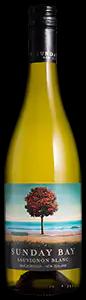
Sauvignon BlancMarlborough

Sauvignon Blanc


ChardonnayMarlborough11.6%

Sauvignon BlancMarlborough


North Canterbury wine pairs with roast poultry, pork, salmon, mushrooms and mild spice because its styles combine savoury flavour with high acidity.
Riesling is the most flexible bottle when chilli, pork or sweetness enters the food. Pinot Noir suits earthier dishes, while Chardonnay handles butter and roast flavours.
Waipara is part of North Canterbury, but the two names do not describe exactly the same geographical area.
North Canterbury is the registered GI covering a long section of the eastern South Island. Waipara Valley is its best-known wine district and contains many of the region’s producers and celebrated hillside sites.
Using North Canterbury allows wineries to represent vineyards on the Canterbury Plains, Banks Peninsula and elsewhere without pretending they sit in Waipara. A Waipara label gives narrower origin, though it does not specify valley floor, Omihi clay or Waikari limestone.
For readers, the hierarchy is simple: begin with North Canterbury, use Waipara as a more focused clue, then look for the vineyard or locality. Greater precision helps only when the wine supports it.
North Canterbury is best known for Pinot Noir, Chardonnay and Riesling, particularly from Waipara. Sauvignon Blanc and Pinot Gris also perform well.
Waipara Valley is the principal wine district within North Canterbury. The wider GI also includes vineyards on the Canterbury Plains and other coastal or inland sites.
North Canterbury Pinot Noir commonly tastes of red cherry, raspberry, herbs, earth and spice. It is usually medium-bodied with fresh acidity and fine tannin.
North Canterbury Riesling can be dry, off-dry or sweet. Labels and producer descriptions are important because the grape name alone does not indicate sweetness.
North Canterbury Pinot Noir is best around 13-15°C. Slight chilling preserves its red fruit and savoury detail.
Fine North Canterbury Pinot Noir, Chardonnay and Riesling can age for several years or longer. Riesling’s acidity and Chardonnay’s structure are particularly useful for cellaring.
Limestone affects drainage, root environment and vine growth in selected North Canterbury sites. It does not create one guaranteed mineral taste, and vineyard position and winemaking remain essential.
North Canterbury can offer strong value compared with more famous Pinot Noir regions. Small production and specialist imports raise prices, so seek clear origin rather than limestone language alone.
North Canterbury wine is worth buying for Pinot Noir with savoury restraint, Chardonnay with firm structure and Riesling that treats sweetness as a choice rather than a disguise.
Waipara deserves its reputation, but the wider region matters. Avoid bottles that expect the word limestone to complete the sales pitch. The most useful wines turn geology and climate into flavour without asking the label to taste on their behalf.