


Hunter's Pinot Noir 2024
Pinot NoirMarlborough
£23.00

Two landscapes prevent a small region becoming a small idea.
New Zealand
Smoked fish, a wedge of lemon and a glass of something cold make Nelson’s high sunshine hours immediately useful. Sauvignon Blanc is present, but it speaks at table volume. Chardonnay, Pinot Noir and aromatic whites keep the conversation broader.
The region divides most usefully into the Moutere Hills and Waimea Plains. Moutere’s gravel-threaded clay tends towards structure and texture. Waimea’s stony alluvium and stronger coastal moderation favour fresher, more aromatic wine.
Nelson is small enough to be overshadowed by Marlborough across the hills. Its case is not underdog charm. It is a clear two-part geography and wines whose fruit is vivid without needing to be amplified.


 and more, live from leading UK retailers
Nelson wine comes from a sunny northern South Island region divided between the clay-rich Moutere Hills and the stony Waimea Plains.
Tasman Bay moderates temperature, while surrounding mountains provide shelter. Nelson receives plentiful sunshine but is not uniformly dry. Rainfall, drainage and exposure differ between hills and plains.
Sauvignon Blanc commonly has citrus, herbs and tropical fruit with less overt pungency than the broad Marlborough stereotype. Chardonnay can be concentrated and savoury, particularly in Moutere. Pinot Noir ranges from structured hillside wine to lighter, fragrant Waimea styles.
Pinot Gris, Riesling, Gewürztraminer and Albariño reinforce an aromatic identity. The region’s orchard, hop and mixed-farming culture explains its diverse agriculture, but the wine needs no artisan halo. Moutere and Waimea provide enough physical distinction.
Nelson wine commonly tastes of citrus, peach, herbs and pear in whites, with cherry, raspberry and earth in Pinot Noir.
Moutere Chardonnay and Pinot Noir tend towards greater weight, tannin and savoury depth. Waimea wines are generally lighter and more aromatic. Sauvignon Blanc sits between citrus, tropical fruit and leafy herbs, usually with firm acidity.
Pinot Gris adds pear and spice. Riesling brings lime and flowers across several sweetness levels. Oak and lees can deepen Chardonnay, but restraint protects Nelson’s naturally clear fruit.
Nelson wine comes from the Moutere Hills west of the city and the Waimea Plains to the south, with smaller coastal sites adding further variation.
German settlers planted vines in the nineteenth century, while the modern industry developed from the 1970s. Long-established family producers helped define both subregions. Nelson’s proximity to Marlborough brought comparison, but its own two-part map has become increasingly clear.
Pinot NoirMarlborough

RieslingWaipara14%

Pinot NoirMarlborough13.6%

Pinot GrigioMarlborough202513%

Pinot NoirMarlborough13%

ChardonnayHawke's Bay202313.5%
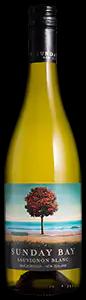
Sauvignon BlancMarlborough

Sauvignon Blanc


ChardonnayMarlborough11.6%

Sauvignon BlancMarlborough


Nelson wine pairs with seafood, roast chicken, mushrooms and fresh cheeses because its wines combine clear fruit with high acidity.
Waimea whites suit fresh seafood; richer Moutere Chardonnay handles butter and smoke. Pinot Noir works best with earth and savoury food rather than sweet sauces.
Nelson differs from Marlborough through its wetter climate, smaller scale and clear contrast between Moutere clay and Waimea alluvium.
Both regions enjoy high sunshine and grow Sauvignon Blanc, Pinot Noir and Chardonnay. Nelson Sauvignon can therefore share Marlborough’s citrus, tropical and herbal flavours.
Moutere’s clay-bearing hills frequently give more texture and structure, while Waimea offers fragrant, coastal freshness. Marlborough contains a much larger industry and its own three-part valley system.
Nelson should not be bought merely as quieter Marlborough. It is most useful when Moutere or Waimea appears on the label and the wine demonstrates why the distinction matters.
Nelson is best known for Sauvignon Blanc, Pinot Noir, Chardonnay and Pinot Gris. Moutere Hills and Waimea Plains provide its main geographical contrast.
Nelson Sauvignon Blanc commonly tastes of citrus, passionfruit and herbs with a textured, restrained palate. It is usually dry and high in acidity.
Moutere Hills has clay-rich soils and often produces fuller, more structured wine. Waimea Plains has stony alluvium and generally gives fresher, more aromatic styles.
Nelson and Marlborough share grapes and high sunshine, but Nelson is wetter and has a distinct clay-versus-alluvium geography. Nelson wines are often less aromatically forceful.
Nelson whites are best around 8-12°C, depending on weight. Nelson Pinot Noir suits 13-15°C.
Structured Moutere Chardonnay and Pinot Noir can age for several years, as can balanced Riesling. Simple Sauvignon Blanc is usually better young.
Nelson wine works with seafood, roast chicken, mushrooms, goat’s cheese and mild spice. Choose richer Moutere styles for butter and smoke.
Nelson can offer good value because it lacks Marlborough’s global fame and Central Otago’s tourism premium. Limited UK availability may offset some of that advantage.
Nelson wine is worth buying for Sauvignon Blanc with composure, Chardonnay with texture and Pinot Noir that changes clearly between hills and plains.
The region does not need sympathy for being small or neighbouring Marlborough. Look for Moutere or Waimea, then judge whether the wine makes the geography legible. The best do so without raising their voice.