


Hunter's Pinot Noir 2024
Pinot NoirMarlborough
£23.00

New Zealand’s warm north prefers Syrah to southern shorthand.
New Zealand
Oysters come cold from the Bay of Islands while the air remains warm and damp. A citrusy Chardonnay or peppery Syrah makes more sense here than the usual national picture of cool southern vineyards.
Northland is long, narrow and maritime, with vineyard pockets from Karikari through the Bay of Islands and Whangarei to Mangawhai. Heat supports ripe flavour; humidity and rain make airflow, drainage and disease control decisive.
The region holds New Zealand’s first recorded grape planting and a later Croatian winegrowing inheritance. History explains continuity, not quality. Modern Northland earns attention through Chardonnay, Syrah, Pinot Gris and red grapes suited to warmth.


 and more, live from leading UK retailers
Northland wine comes from New Zealand’s warmest and most northerly wine region, where maritime humidity favours carefully sited Chardonnay, Syrah and other ripe varieties.
The peninsula is never far from the sea. Coastal wind moderates heat, but humidity and rainfall raise fungal disease pressure. Slopes and free-draining soils are valuable because water removal matters as much as ripening.
Chardonnay commonly produces melon, peach, fig and citrus, ranging from fresh early-picked styles to fuller barrel-fermented wine. Syrah brings plum, berries, pepper and flowers with relatively soft tannin. Pinot Gris is broad and spicy, while Merlot and Cabernet varieties support structured blends in suitable seasons.
Chambourcin and Pinotage appear because Northland does not need to imitate the South Island. Some grapes handle warmth and humidity more reliably than Pinot Noir or Sauvignon Blanc. The region’s small scale encourages experimentation, though novelty remains no substitute for balance.
Northland wine commonly tastes of peach, melon and fig in whites, with plum, blackberry, pepper and herbs in reds.
Chardonnay is ripe and rounded, with oak or lees adding toast and cream. Earlier harvests can preserve lemon and freshness. Pinot Gris is full-bodied with pear, peach and spice.
Syrah is generally medium-bodied and peppery, with plum and dark berries. Merlot and Cabernet blends are fuller and more tannic. Excessive ripeness or humid-season dilution are the recurring risks.
Northland wine comes from scattered coastal vineyard pockets extending from Karikari in the north to Mangawhai in the south.
Reverend Samuel Marsden planted grapevines at Kerikeri in 1819. Croatian settlers later brought practical winegrowing traditions to the north. These histories matter because people established continuity under local conditions, not because old dates improve a modern bottle.
Pinot NoirMarlborough

RieslingWaipara14%

Pinot NoirMarlborough13.6%

Pinot GrigioMarlborough202513%

Pinot NoirMarlborough13%

ChardonnayHawke's Bay202313.5%
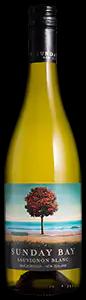
Sauvignon BlancMarlborough

Sauvignon Blanc


ChardonnayMarlborough11.6%

Sauvignon BlancMarlborough


Northland wine pairs with shellfish, roast fish, pork and grilled meat because its styles combine ripe fruit with maritime freshness and pepper.
Ripe Chardonnay handles grilled fish and butter, while Syrah suits pepper, smoke and lamb. Avoid serving the fullest wines too warm in summer.
Northland’s wine history makes it culturally important, but the quality of modern Northland wine depends on present vineyards and winemaking.
The 1819 Kerikeri planting gives Northland a foundational place in New Zealand wine history. Croatian settlement later added a durable commercial and family tradition.
Those facts explain how wine became part of the region. They do not guarantee clean fruit, balanced acidity or complete flavour in a humid climate. Modern growers still have to choose slopes, control canopy growth and respond to rain.
Northland deserves attention for continuity and for wines adapted to warmth. The fairest reward for that history is serious judgement, not sentimental exemption.
Northland is best known for ripe Chardonnay, peppery Syrah, full Pinot Gris and Merlot-based reds. Production is small and regionally varied.
Northland is New Zealand’s warmest and most northerly principal wine region. Its maritime position also brings humidity and rainfall.
Reverend Samuel Marsden planted grapevines at Kerikeri in the Bay of Islands in 1819. The planting is historically important but separate from modern wine quality.
Northland Syrah commonly tastes of plum, blackberry, violet, pepper and herbs. It is usually medium-bodied with soft to moderate tannin.
Northland Syrah is best around 14-16°C and fuller blends around 15-17°C. Slight cooling preserves aroma in warm weather.
Balanced Northland Syrah, Cabernet blends and Chardonnay can age for several years. The region’s limited track record makes bottle and producer knowledge important.
Northland wine works with oysters, grilled fish, roast chicken, lamb, pork and aubergine. Match the ripest styles with savoury rather than sweet food.
Northland wine has limited UK availability because production is small. Specialist imports are more likely than broad supermarket distribution.
Northland wine is worth buying for a genuinely different New Zealand climate, particularly when Chardonnay or Syrah keeps ripe fruit fresh and defined.
History supplies context, not a free pass. Avoid bottles that turn warmth into softness or heritage into atmosphere. The best Northland wine stands without either excuse.