


Hunter's Pinot Noir 2024
Pinot NoirMarlborough
£23.00

Ripe Chardonnay returns with better questions about where it grew.
New Zealand
A Gisborne peach can smell ripe before it reaches the knife. The region’s Chardonnay has often worked in the same register: generous fruit, broad texture and an ease that made it useful to large producers long before site names mattered.
That history is neither disgrace nor destiny. The Waipaoa River system created a fertile plain capable of volume, while Ormond and Hexton hillsides, Patutahi clay and coastal Manutuke provide different drainage, warmth and exposure. Growers now have more precise places to put on the label.
Chardonnay remains the centre. Pinot Gris, Gewürztraminer, Chenin Blanc, Albariño and Viognier make Gisborne one of New Zealand’s most convincing homes for aromatic whites. The modern change is greater structure and geographical detail within those ripe styles.


 and more, live from leading UK retailers
Gisborne wine comes from a warm eastern North Island region known for Chardonnay, aromatic whites and fertile river-deposited soils.
The main vineyards occupy the plains and low hills around the city of Gisborne. The Waipaoa River and smaller waterways have deposited silt, clay, sand and gravel. Pacific sea breezes moderate coastal sectors, while inland Patutahi is warmer and drier.
Gisborne once supplied large quantities of richly fruited wine and became closely associated with Chardonnay. Large-scale farming remains part of the region, but smaller producers and hillside sites have complicated the old reputation for soft, broad wine.
Chardonnay can taste of peach, melon and citrus, with lees and oak adding savoury texture. Pinot Gris tends towards pear and spice. Gewürztraminer brings rose and lychee, while Chenin Blanc, Albariño and Viognier show the region’s aptitude for aromatic and textured whites.
Fertile soil can encourage excessive vine growth and crop unless managed carefully. Hillsides and clay-bearing sites may restrict vigour, but slope is not a quality certificate. Gisborne’s best work comes from matching variety, site and yield rather than rejecting the productive plain that built the industry.
Gisborne wine commonly tastes of peach, melon, pear, citrus and flowers, with ripe fruit and a soft to medium-full texture.
Chardonnay is typically ripe and stone-fruited, ranging from unoaked and direct to barrel-fermented with toast, nuts and creamy lees. Earlier picking and cooler sites can give more citrus and acidity.
Pinot Gris is pear-scented and rounded. Gewürztraminer is floral and spicy. Chenin Blanc can retain stronger acidity, while Albariño offers citrus and saline freshness. Late-harvest and botrytised styles add honey and dried fruit.
Gisborne wine comes from river plains, coastal sectors and hillside districts around the Waipaoa catchment on the eastern North Island.
Commercial vineyards expanded during the twentieth century and Gisborne became an important source of New Zealand Chardonnay and cask wine. Independent producers later demonstrated the value of site-specific and alternative varieties. The region’s current identity holds both histories rather than pretending one erased the other.
Pinot NoirMarlborough

RieslingWaipara14%

Pinot NoirMarlborough13.6%

Pinot GrigioMarlborough202513%

Pinot NoirMarlborough13%

ChardonnayHawke's Bay202313.5%
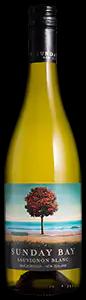
Sauvignon BlancMarlborough

Sauvignon Blanc


ChardonnayMarlborough11.6%

Sauvignon BlancMarlborough


Gisborne wine pairs with roast chicken, pork, shellfish, creamy fish dishes and aromatic spice because its whites combine ripe fruit with useful acidity.
Ripe Chardonnay handles butter and roast flavours. Gewürztraminer suits aromatic spice better than fierce chilli, while Chenin Blanc and Albariño bring the acidity needed for richer seafood.
Gisborne has moved beyond a purely bulk-wine reputation, although productive plains and large-scale vineyards remain part of the regional economy.
Volume once defined outside perceptions because fertile soils, sunshine and reliable ripeness made Gisborne valuable to national producers. That role helped establish Chardonnay as a familiar New Zealand wine.
The modern change comes from narrower site selection, hillside vineyards, alternative varieties and producers willing to retain acidity. Ormond, Hexton, Manutuke and Patutahi now provide more specific geographical language.
Quality does not require repudiating scale or richness. A ripe, generous Chardonnay can be complete. The problem begins when yield removes flavour or oak supplies the structure the vineyard did not. Gisborne deserves judgement on what is in the glass, not an old production category.
Gisborne is best known for ripe, full-flavoured Chardonnay. Pinot Gris, Gewürztraminer, Chenin Blanc, Albariño and Viognier add aromatic range.
Gisborne Chardonnay commonly tastes of peach, melon, citrus, toast and nuts. Cooler or earlier-picked styles can be fresher and more citrus-led.
Most Gisborne table wine is dry, but Pinot Gris and aromatic whites may carry some residual sugar. Late-harvest and noble-rot wines are deliberately sweet.
Gisborne is one of New Zealand’s warmer, sunnier wine regions. Pacific breezes, river position and hillside elevation create cooler local conditions.
Gisborne Chardonnay is best around 10-12°C. Very cold service hides the texture and savoury flavours of barrel-fermented wine.
Structured Gisborne Chardonnay, Chenin Blanc and sweet wine can age well. Simple fruit-led whites are generally intended for earlier drinking.
Gisborne Chardonnay works with roast chicken, salmon, fish pie, sweetcorn and creamy vegetable dishes. Richer oak-aged styles suit browned and roasted flavours.
Gisborne can offer very good value because its reputation remains below Marlborough and Central Otago. Pay more when site, acidity and fruit concentration justify it, not simply because production is small.
Gisborne wine is worth buying for Chardonnay with unapologetic fruit, aromatic whites with genuine breadth and prices that can remain sensible.
The weaker wines confuse ripeness with completeness. The best keep peach and generosity while supplying acidity, texture and an identifiable site. Gisborne does not need to become a cooler region. It needs to use warmth accurately.