


Clocktower Pinot Noir 37.5 cl
Pinot Noir13.5%
£8.00

Sauvignon opened the door. Pinot, Chardonnay and Syrah followed.
Mussels steam under a lid with garlic, herbs and a splash from the bottle. The first glass of Sauvignon Blanc has already announced itself from the other end of the table: lime, passionfruit, cut grass and enough freshness to tidy the palate after butter. New Zealand wine became famous by being very easy to recognise.
Recognition then became confinement. Marlborough Sauvignon Blanc is a modern classic and remains one of the most dependable purchases in British wine, but it is not the entire national cellar. Central Otago and Wairarapa make compelling Pinot Noir. Hawke's Bay produces Syrah, Chardonnay and Bordeaux-style reds. North Canterbury excels with Riesling, Chardonnay and Pinot Noir, while traditional-method sparkling wine is increasingly serious.
The modern industry is young and has clear natural advantages: cool maritime conditions, abundant light and a long growing season. The wines often have vivid fruit and firm acidity. What matters now is regional detail.


 and more, live from leading UK retailers
New Zealand wine is a cool maritime wine tradition best known for Sauvignon Blanc, with important regional strengths in Pinot Noir, Chardonnay, Syrah, Riesling and traditional-method sparkling wine.
The main regions run for roughly 1,600 kilometres from warm, humid Northland to the high, dry vineyards of Central Otago. No vineyard lies far from the ocean, yet sea influence is only part of the map. Mountain ranges place many eastern regions in rain shadow, river systems have laid down gravel and silt, volcanic geology marks parts of the north, and the Southern Alps create sharp contrasts of altitude, rainfall and temperature across the South Island.
Modern New Zealand wine grew rapidly from a modest twentieth-century base. Sauvignon Blanc planted in Marlborough proved that strong sunshine, cool nights, free-draining soils and dry autumns could produce an aromatic style unlike its European counterparts. Its leap into export markets gave the national industry a clear identity before many individual regions had finished explaining themselves.
Those regions now matter. Hawke's Bay uses warm gravel terraces, hillsides and coastal sites for Syrah, Chardonnay and Cabernet or Merlot blends. Central Otago makes Pinot Noir in a semi-continental inland climate. Wairarapa, particularly Martinborough, produces structured Pinot Noir and fragrant Sauvignon Blanc. North Canterbury and Nelson bring limestone, clay, gravel and coastal moderation to Pinot Noir, Chardonnay and aromatic whites.
The country has registered Geographical Indications, or GIs, to protect regional names, but it does not impose a European-style national quality pyramid. Grape, place, vintage and producer remain the most useful label clues. Single-vineyard language can add precision, though a narrow address is still only the beginning of the conversation.
Sustainability is unusually visible. Sustainable Winegrowing New Zealand, or SWNZ, certifies vineyards and winemaking facilities against an industry standard covering issues including water, soil, plant protection, waste, climate and people. The logo represents audited participation, not a claim that farming has become consequence-free.
New Zealand wine commonly combines clear fruit, strong aroma and lively acidity, with styles ranging from pungent Sauvignon Blanc to earthy Pinot Noir and peppery Syrah.
Marlborough Sauvignon Blanc is typically dry, aromatic and high in acidity, with citrus, tropical fruit and green herbal notes. Wairau Valley wines can be generously fruity, while the Southern Valleys often give greater texture and herb or spice. Awatere Valley commonly adds sharper acidity, tomato leaf and a cooler, more mineral edge.
Sauvignon Blanc from Nelson can be restrained and textural, while Hawke's Bay and northern regions tend towards riper fruit. Fermentation or ageing in barrel, contact with lees and later harvesting can produce broader, less immediately explosive versions. The familiar style remains thrilling when fruit, greenery and acidity agree on the same volume.
Pinot Noir is the leading fine red grape. Central Otago often gives ripe cherry and plum with thyme, spice and firm tannin, though its subregions vary. Wairarapa can be savoury and structured. Marlborough tends towards bright fruit and herbs, while North Canterbury combines red fruit, earth and a limestone-influenced firmness in its best sites.
Hawke's Bay Syrah is usually medium-bodied and fragrant, with dark berries, violet and black pepper, avoiding the broad sweetness associated with much warm-climate Shiraz. Merlot, Cabernet Sauvignon and Cabernet Franc produce structured blends on suitable warm gravel and hillside sites. Auckland's Waiheke Island also makes substantial Bordeaux-style reds and Syrah under maritime conditions.
Chardonnay has become one of the clearest demonstrations of regional and winemaking ambition. Hawke's Bay can provide ripe stone fruit and savoury depth; Marlborough combines citrus, fruit and bright acidity; North Canterbury, Nelson and cooler southern sites produce concentrated wines with mineral or flinty detail. Oak and lees add texture when they support the wine instead of dressing it.
Pinot Gris ranges from dry and crisp to richer, softly off-dry styles with pear and spice. Riesling may be bone dry, gently sweet or lusciously concentrated, always relying on acidity for balance. Gewürztraminer, Chenin Blanc, Albariño and Grüner Veltliner appear in smaller quantities and can be excellent where site and variety have been properly introduced.
Traditional-method sparkling wine based on Chardonnay and Pinot Noir is made in Marlborough, North Canterbury, Hawke's Bay and other cool regions. High natural acidity provides the essential frame, while time on lees adds bread, nuts and savoury texture. The best examples offer persistence and depth, not bubbles alone.
Dry rosé commonly uses Pinot Noir, with Syrah and Bordeaux varieties also contributing, particularly in warmer regions. Late-harvest Riesling, Sauvignon Blanc, Gewürztraminer and noble-rot wines offer honey, apricot and citrus peel, retaining enough acidity to make sweetness feel deliberate.
New Zealand wine regions differ through latitude, ocean exposure, mountain rain shadow, soil and altitude, despite the international dominance of one grape from one place.
Northland is the warmest and most northerly wine region, with humid maritime conditions and vineyards around the Bay of Islands, Whangarei and farther north. Chardonnay, Pinot Gris, Viognier, Syrah and Bordeaux varieties can achieve generous ripeness. Disease pressure and rain make attentive vineyard work essential, not picturesque background detail.
Auckland includes very different areas, from historic West Auckland and Matakana to maritime Waiheke Island. Waiheke is particularly known for Cabernet and Merlot blends, Syrah and Chardonnay, with coastal wind and varied slopes moderating warmth. The wider region's volcanic clay and humid climate can produce substantial wines when site and drainage are right.
Gisborne is a sunny eastern North Island region with fertile plains, river-deposited soils and a long association with full-flavoured Chardonnay. Pinot Gris, Gewürztraminer, Chenin Blanc, Viognier and other aromatic whites also perform well, alongside smaller red plantings. Better hillside sites and thoughtful farming have widened a reputation once tied mainly to generous fruit and volume.
Hawke's Bay is a warm, varied region of gravel terraces, alluvial plains, hillsides, river valleys and coastal sites. Chardonnay, Syrah and Bordeaux varieties are leading strengths, with the Gimblett Gravels and Bridge Pa Triangle especially associated with structured reds. Altitude and sea influence allow cooler pockets for Sauvignon Blanc, Pinot Noir and aromatic whites.
Wairarapa sits in the rain shadow of the Tararua Range and includes Martinborough, Gladstone and Masterton. Pinot Noir and Sauvignon Blanc are the best-known wines, joined by Riesling, Chardonnay and Syrah. Martinborough's small area, windy conditions and free-draining terraces can produce concentrated, savoury Pinot Noir with firm structure.
Marlborough put New Zealand wine on the world map through Sauvignon Blanc and remains its largest, most recognised region. The Wairau Valley supplies bright fruit and varied river soils; the Southern Valleys include heavier clay and strong Pinot Noir sites; the Awatere Valley is cooler, drier and often more herbal. Chardonnay, Pinot Noir, Riesling and traditional-method sparkling wine ensure the region has more than one useful sentence.
Nelson lies west of Marlborough at the top of the South Island, with high sunshine, coastal moderation and two principal landscapes. The stony Waimea Plains tend towards fresh, aromatic wine, while the clay-rich Moutere Hills give greater texture and structure. Pinot Noir, Chardonnay, Sauvignon Blanc and Pinot Gris are the main strengths.
North Canterbury includes the Waipara Valley and other sites between the Pacific and Southern Alps. Limestone, clay and gravel support Pinot Noir, Chardonnay and Riesling with strong acidity and savoury depth, while Sauvignon Blanc and Pinot Gris also matter. The region's best wines are concentrated but seldom shout, an important distinction at any dinner table.
Central Otago is a high, dry, inland region surrounded by mountains and divided into subregions including Gibbston, Bannockburn, Bendigo, Alexandra, Cromwell Basin and Wanaka. Pinot Noir dominates, ranging from fragrant and taut to dark-fruited and powerful according to site. Riesling, Pinot Gris and Chardonnay retain vivid acidity under strong sunlight and cool nights.
Waitaki Valley lies between North Canterbury and Central Otago, following the Waitaki River towards the Pacific. Its cool, marginal climate and limestone-rich soils favour Pinot Noir, Chardonnay, Riesling and aromatic whites with delicacy and mineral tension. Ripening is not guaranteed every year, which gives the successful wines both rarity and a slightly raised eyebrow at the weather.
New Zealand wine labels use grape and regional names prominently, with legal origin rules and voluntary certifications providing the most useful supporting information.
A registered Geographical Indication protects a New Zealand wine region name such as Marlborough, Hawke's Bay or Central Otago. The system safeguards origin and regional reputation; it does not rank vineyards by quality. Subregional detail may appear even when it is not a separate registered GI.
When a New Zealand wine label names one grape variety, vintage or area, at least 85% of the wine must match that claim. Blends can name multiple varieties when the composition and listing rules are met. This makes the main label facts reliable without promising that the remaining decisions were equally sound.
Wairau Valley, Southern Valleys and Awatere Valley are useful Marlborough terms. Wairau covers varied soils and generally generous fruit, the Southern Valleys include more clay and important Pinot Noir sites, and Awatere often produces cooler, more herbal Sauvignon Blanc. Subregion helps narrow style, but vineyard and producer still matter.
Gimblett Gravels and Bridge Pa Triangle identify important warm, free-draining areas within Hawke's Bay, particularly associated with Syrah and Bordeaux varieties. Their names are governed through local definitions or membership structures, not a national quality tier. They tell you where the wine grew, not how loudly to admire it.
The SWNZ logo can appear when the grapes and winemaking facilities meet the programme's certification requirements. The standard addresses environmental and social practices through annual reporting, audits and corrective action. It is evidence of a managed process, not a halo applied at bottling.
Traditional method means the sparkling wine completed its second fermentation in the bottle and spent time on the lees before disgorgement. Some labels use the French phrase méthode traditionnelle. Chardonnay and Pinot Noir are common, and the method adds bread and nutty complexity to cool-climate fruit.
Single-vineyard language connects a wine to one named site under the origin rules. Reserve has no single national ageing or quality definition, so it is a producer's tier, not an official rank. A specific place is informative; a gold word remains a gold word until the wine supplies evidence.
Late-harvest wine uses grapes picked later with greater sugar concentration, while noble wine involves grapes affected by beneficial Botrytis cinerea, or noble rot. Both can be sweet, but acidity is essential to balance honeyed richness. Check the stated style, because an aromatic bottle is not necessarily dry.
New Zealand wine is led by Sauvignon Blanc and Pinot Noir, with Chardonnay, Pinot Gris, Riesling and Syrah providing increasing regional depth.
Sauvignon Blanc is the defining export grape, especially in Marlborough, where it produces dry, aromatic wine with citrus, passionfruit, gooseberry and herbs. Nelson, Wairarapa, Hawke's Bay and other regions provide riper, quieter or more textural variations.
See Sauvignon Blanc winesPinot Noir is strongest in Central Otago, Wairarapa, Marlborough and North Canterbury. It ranges from ripe cherry, plum and thyme to fragrant red fruit, earth and fine tannin, reflecting substantial differences in climate and soil.
See Pinot Noir winesChardonnay succeeds from warm Gisborne and Hawke's Bay to cooler Marlborough, North Canterbury and Central Otago. It can be citrus-led and taut or richly textured with stone fruit, savoury lees and oak, increasingly with balance and little cosmetic weight.
See Chardonnay winesPinot Gris produces pear, apple, spice and soft texture across both islands. Styles vary from dry and crisp to gently sweet and rich, so alcohol, producer description and food context are more informative than the grape name alone.
See Pinot Gris winesRiesling thrives particularly in Marlborough, Nelson, North Canterbury, Central Otago and Wairarapa. High acidity supports dry, off-dry and sweet wines with lime, apple, flowers and mineral detail, often at moderate alcohol.
See Riesling winesSyrah is a speciality of Hawke's Bay and Waiheke Island, giving blackberry, violet, black pepper and savoury herbs. New Zealand examples are usually medium-bodied and aromatic, closer in shape to cool-climate Syrah than broad warm-region Shiraz.
See Syrah winesMerlot and Cabernet Sauvignon form varietal wines and blends in Hawke's Bay, Auckland and other warm North Island sites. Merlot supplies plum and flesh, while Cabernet adds blackcurrant, herbs and tannin, with Cabernet Franc contributing perfume.
Gewürztraminer has a long local record of floral, spicy wine, while Chenin Blanc can give fresh or textural styles in warmer northern regions. Albariño and Grüner Veltliner are among the newer white varieties proving useful in carefully chosen sites.
Pinot Noir13.5%

Pinot Noir13.5%

Pinot Noir

Pinot Noir13.6%

Pinot Grigio13%

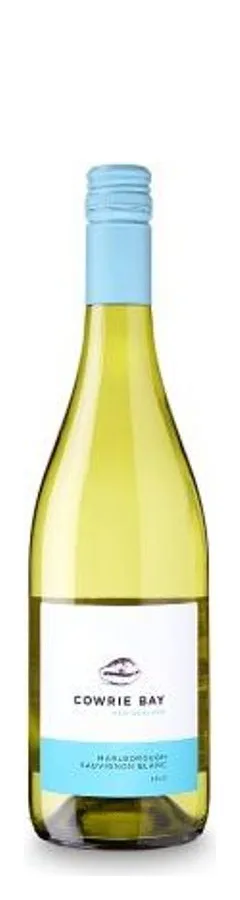
Sauvignon Blanc

Pinot Noir13.5%

Chardonnay13.5%


Merlot12.5%

Sauvignon Blanc

Albarino12.5%


Sauvignon Blanc13%
New Zealand wine works naturally with seafood, lamb, herbs, green vegetables and mild spice because aromatic fruit is usually carried by firm acidity.
Sauvignon Blanc handles herbs, green vegetables and goat's cheese with particular ease. Pinot Noir likes mushrooms, duck and earthy flavours; Syrah likes lamb and pepper; Riesling deals calmly with chilli. A heavily dressed salad with a light red is the avoidable mismatch, not a constitutional crisis.
New Zealand wine is not only Sauvignon Blanc, although that grape remains the country's most important international calling card and one of its genuine classics.
Marlborough Sauvignon Blanc succeeded because it was distinctive, consistent and useful. British drinkers did not need a diagram to find the lime, passionfruit and herbs, and the wine worked with everything from goat's cheese to Friday fish. Its popularity funded vineyards, cellars, export relationships and national recognition.
Success also created repetition. At the inexpensive end, some examples turn aroma into a blunt instrument and acidity into a reflex. That is a criticism of lazy wine, not of the style itself. Good Marlborough Sauvignon Blanc can be layered, dry, textural and specific to Wairau, Awatere or the Southern Valleys, with barrel and lees adding further range.
Beyond it, Pinot Noir gives Central Otago, Wairarapa, Marlborough and North Canterbury very different red-wine identities. Hawke's Bay Chardonnay and Syrah can be among the country's most complete wines. Riesling, traditional-method sparkling wine, Chenin Blanc and aromatic whites add still more range.
Sauvignon Blanc opened the export door. The sensible response is not to usher it out, but to look at who has joined the table.
A beginner should try Marlborough Sauvignon Blanc, Central Otago or Wairarapa Pinot Noir, Hawke's Bay Chardonnay or Syrah, and a North Canterbury Riesling. Those styles reveal the country's aromatic clarity and regional range.
Most New Zealand Sauvignon Blanc is dry, especially the familiar Marlborough style. Some wines retain a little sugar for balance, and late-harvest or noble examples can be distinctly sweet.
Sauvignon Blanc is the signature New Zealand wine grape and Marlborough is its defining region. Pinot Noir is the leading fine red, while Chardonnay, Pinot Gris, Riesling and Syrah are also important.
New Zealand Pinot Noir is strongest in Central Otago, Wairarapa, Marlborough and North Canterbury, but no region owns one universal best style. Central Otago is often riper and darker, Wairarapa more savoury, Marlborough brighter and North Canterbury firmer and earthier.
New Zealand Pinot Noir is often best around 13-16°C, and lighter examples can be served cooler. Hawke's Bay Syrah and Bordeaux-style reds usually suit 15-17°C, below a warm room temperature.
Fine New Zealand Pinot Noir, Chardonnay, Syrah, Riesling and Bordeaux-style blends can age well, while serious Sauvignon Blanc may gain texture and savoury complexity. Simple aromatic whites and rosés are generally made for earlier drinking.
New Zealand wine often costs more than the cheapest mass-market alternatives because the industry is relatively small and many vineyards are costly to farm. Marlborough Sauvignon Blanc still offers accessible value, while single-site Pinot Noir and Chardonnay can reach premium prices.
Marlborough Sauvignon Blanc typically tastes of lime, grapefruit, gooseberry, passionfruit, grass and leafy herbs. It is usually dry, strongly aromatic and high in acidity, with subregions adding different fruit, texture and herbal emphasis.
New Zealand wine offers dependable value in Sauvignon Blanc and increasingly strong value in Chardonnay, Riesling and regional Pinot Noir. The least expensive wines can become formulaic, so an extra few pounds often buys more texture and a clearer sense of place.
New Zealand Sauvignon Blanc may appeal to drinkers of Loire Sauvignon Blanc who want more overt fruit, while Pinot Noir can interest Burgundy, Oregon or cool-climate Australian wine drinkers. Hawke's Bay Syrah has more in common with fragrant cool-climate Syrah than heavy Shiraz.
New Zealand wine is worth buying for Sauvignon Blanc that remains thrilling after familiarity, Pinot Noir with perfume and place, increasingly confident Chardonnay, peppery Syrah, precise Riesling and traditional-method sparkling wine. The best bottles have an immediacy that welcomes beginners and enough detail to keep the converted occupied.
The familiar weakness is overstatement: generic Sauvignon Blanc can smell as if every aromatic dial has been turned right simply because it could be. Pinot Noir can also become expensive before becoming profound. Buy by region and, in Marlborough, by subregion when possible. The national wine story began with a shout of green fruit. It now has a far better speaking voice.