


Casillero del Diablo Chardonnay 75cl
Chardonnay12.5%
£8.44

Desert wine, with water treated as fact rather than scenery.
Chile
In Huasco, a green line of olives, vines and fruit follows water through country that otherwise makes agriculture appear improbable. The Pacific sends fog and cold air inland. Irrigation turns possibility into a crop. Neither should be reduced to the pleasingly dramatic word “desert”.
Atacama wine is small in scale and divided in purpose. Coastal sites can give incisive Sauvignon Blanc, Chardonnay, Pinot Noir and Syrah with a saline impression. Farther inland, Moscatel, País and other grapes connect wine with pisco and the traditional sweet speciality Pajarete.
Scarcity makes the bottles interesting, not automatically excellent. Their proper argument is more useful: Chile’s northern limit can produce freshness as well as heat, provided water, site and harvest date are handled with unusual care.



 and more, live from leading UK retailers
Atacama and Huasco wine comes from Chile’s northern desert region, where irrigated valleys and Pacific-cooled sites support small but distinctive production.
The legal Atacama wine region contains Copiapó and Huasco. Copiapó is more closely associated with table grapes and pisco, while Huasco has developed the stronger fine-wine identity. The Huasco River and irrigation systems make farming possible; near the coast, fog and wind reduce temperature and slow ripening.
Sauvignon Blanc and Chardonnay can show lemon, green apple, herbs and a salty impression. Syrah and Pinot Noir provide red and dark fruit with firm acidity, while País and aromatic white grapes connect modern bottlings with local tradition. Not every wine tastes saline, and salt is not poured into the fermenter. The impression arises from flavour, acidity and site rather than a universal chemical signature.
Pajarete is a protected traditional sweet wine from specified northern areas, historically based on aromatic grapes and sun-concentrated fruit. It belongs to the region’s working culture, not simply to the modern search for extremes.
Atacama and Huasco wine often tastes of citrus, green fruit, herbs and salt in whites, while reds bring dark fruit, pepper and firm structure.
Coastal whites can be taut, herbal and persistent. Chardonnay gains more weight and stone-fruit flavour, while Sauvignon Blanc usually supplies the sharper line. Reds can be savoury and compact rather than desert-ripe.
Inland aromatic grapes produce fuller, riper flavours. Pajarete combines apricot, raisin, honey and spice with sweetness; good examples retain enough acidity to avoid becoming merely sticky.
Atacama and Huasco wine comes from irrigated valleys and Pacific-facing sites in Chile’s Atacama Region.
Northern Chile has long grown aromatic grapes for pisco, sweet wine and local use. Pajarete preserves a specific wine tradition. Recent coastal exploration has added dry fine wine without cancelling the older economy.
Chardonnay12.5%

Shiraz / SyrahMaipo Valley14.2%
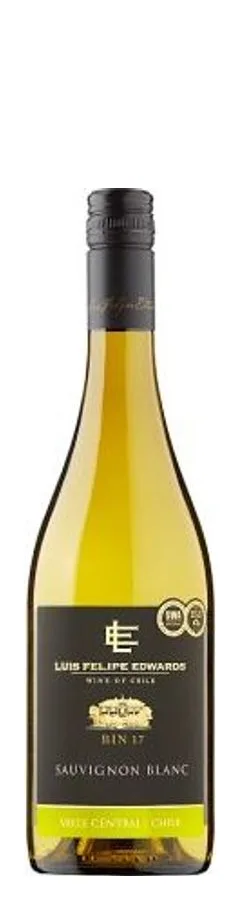
Sauvignon BlancCentral Valley Chile202612.5%

Cabernet SauvignonValle Central12.5%

MerlotValle Central12.1%

Merlot Cabernet Sauvignon SyrahRapel Valley202214%

CarménèreCasablanca Vally202413.5%

Malbec12.5%

ChardonnayLimarí Valley12.7%


Cabernet Sauvignon

Chardonnay Pedro XimenezCentral Valley Chile202513.5%
Atacama and Huasco wine pairs well with seafood, olives, goat’s cheese and fruit desserts because its styles combine salt, acidity and concentrated northern fruit.
Fresh coastal wine suits briny food without requiring a matching essay. Pajarete needs a dessert no sweeter than the wine, or salty cheese as contrast.
Pajarete is a protected northern Chilean sweet-wine tradition associated with the Huasco and Elqui areas and made from permitted local grapes.
The style historically uses very ripe or sun-concentrated grapes, commonly aromatic varieties such as Moscatel, Pedro Jiménez and Torontel. Versions vary in sweetness, strength and ageing.
Pajarete should not be confused with pisco, which is distilled. Nor does the term describe every sweet wine from Atacama. A sound bottle balances dried-fruit richness with acidity and avoids using tradition as permission for oxidation or heaviness.
Wine grapes can grow in selected Atacama valleys where irrigation provides water. Coastal fog, wind and cooler air make parts of Huasco particularly suitable.
Huasco is known for saline-tasting coastal Sauvignon Blanc and Chardonnay, savoury reds and traditional Pajarete. Production remains small.
Some Atacama and Huasco wines give a saline sensory impression, especially coastal whites. Not every bottle tastes salty, and the term describes perception rather than added salt.
Pajarete is a sweet wine, while pisco is a grape spirit produced by distillation. Both belong to northern Chilean grape culture.
Lighter Atacama Pinot Noir and País benefit from serving around 13-15°C. Structured Syrah can be served around 16°C.
Selected structured reds, concentrated whites and Pajarete can develop in bottle. Most fresh whites are intended for earlier drinking.
Atacama wine often reaches the UK through small specialist shipments. Limited production, difficult farming and transport raise prices, though none guarantees quality.
A beginner should try a coastal Sauvignon Blanc or Chardonnay, then Pajarete if available. The pair shows the region’s modern and traditional poles.
Atacama and Huasco wine is worth buying when its acidity, salinity and regional tradition are more compelling than the novelty of desert origin.
The bottles can be costly and inconsistent, so buy selectively. The best do something rarer than surviving heat: they turn a narrow agricultural possibility into precise flavour without asking hardship to count as quality.