


Casillero del Diablo Chardonnay 75cl
Chardonnay12.5%
£8.44

Dependable wine, with Teno and Lontué adding useful definition.
Chile
Curicó has supplied a great deal of the Chilean wine that behaves exactly as expected: ripe fruit, a familiar grape name and a price suited to ordinary dinner. That reliability matters, even if critics find it easier to celebrate rarer bottles.
The valley’s breadth is also its problem. Cabernet Sauvignon, Sauvignon Blanc, Chardonnay, Merlot and Carménère grow across warm plains, river terraces and cooler foothills. A broad Curicó label may be competent while saying little about which part did the work.
Teno and Lontué provide the legal division. More exact areas, altitude and soil can provide the flavour. Curicó does not need to disown accessible wine; it needs to show that accessibility and origin can occupy the same bottle.



 and more, live from leading UK retailers
Curicó Valley wine comes from a diverse central Chilean region that produces accessible varietal wine and increasingly precise vineyard-led bottles.
The valley lies south of Rapel and north of Maule. Teno forms the northern subregion and Lontué the southern. Rivers descending from the Andes supply irrigation, while the Coastal Range and foothills create cooler or more exposed sites away from the warm central plain.
Cabernet Sauvignon, Merlot and Carménère lead the reds. Sauvignon Blanc and Chardonnay dominate whites, with Syrah, Pinot Noir, Malbec and older Semillon adding range. Fertile alluvial areas can give generous crops and straightforward fruit; poorer gravel, limestone-influenced or hillside soils can produce greater concentration.
Curicó played an important role in Chile’s modernisation and export growth. Its reputation for volume is not false, merely incomplete. The most useful new labels identify Teno, Lontué, a commune or a vineyard rather than relying on broad Central Valley familiarity.
Curicó Valley wine commonly tastes of blackcurrant, plum and herbs in reds, with citrus, apple and peach in whites.
Cabernet and Carménère from warm sites are ripe, supple and direct. Cooler foothill fruit can add mint, pepper, acidity and firmer tannin. Merlot brings softness, while Syrah and Malbec deepen blends.
Sauvignon Blanc ranges from simple citrus to more herbal, focused wine. Chardonnay can be fresh or oak-rounded. The weak point is generic fruit without shape; the strength is a wide grape palette available at sensible prices.
Curicó Valley wine comes from the Teno and Lontué river systems between Chile’s Coastal Range and Andes.
Colonial vineyards preceded nineteenth-century expansion. Modern investment and temperature-controlled winemaking grew strongly during the late twentieth century, helping make Curicó a centre of reliable export wine. Current work is adding origin to that competence.
Chardonnay12.5%

Shiraz / SyrahMaipo Valley14.2%
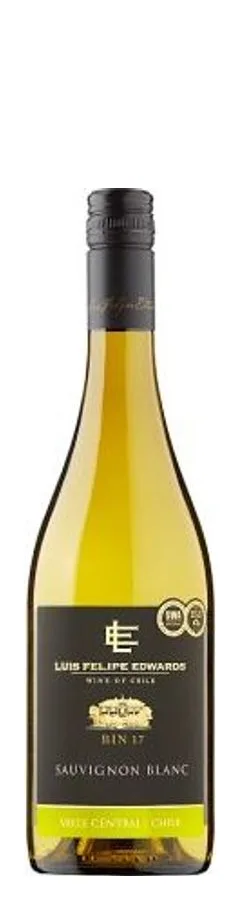
Sauvignon BlancCentral Valley Chile202612.5%

Cabernet SauvignonValle Central12.5%

MerlotValle Central12.1%

Merlot Cabernet Sauvignon SyrahRapel Valley202214%

CarménèreCasablanca Vally202413.5%

Malbec12.5%

ChardonnayLimarí Valley12.7%


Cabernet Sauvignon

Chardonnay Pedro XimenezCentral Valley Chile202513.5%
Curicó Valley wine pairs with roast chicken, burgers, fish pies and vegetable stews because its broad style range is practical and fruit-led.
Curicó’s virtue is flexibility. Choose grape and weight before worrying about a ceremonial regional match. Freshness remains the common requirement.
Curicó Valley is a major source of accessible wine, but its foothills, river terraces and older vineyards can also produce distinctive bottles.
Large crops and broad Central Valley blends built the region’s dependable reputation. There is no dignity in pretending that useful everyday wine does not matter.
The quality opportunity lies in greater precision. Teno and Lontué are different subregions, while Rauco, Romeral, Molina and Sagrada Familia add more exact conditions. When a producer reduces yields, matches grape to site and names the origin, Curicó can offer character without acquiring a prestige surcharge.
Curicó Valley is known for Cabernet Sauvignon, Sauvignon Blanc, Chardonnay and Carménère. It produces a particularly broad range of grape varieties.
Teno is the northern Curicó subregion and Lontué is the southern subregion. Both contain warm plains and cooler foothill or western sites.
Curicó Valley is a recognised subregion of Chile’s legal Central Valley wine region. It lies between Rapel and Maule.
Curicó produces much affordable wine, but single-vineyard, old-vine and lower-yield bottles can cost more. Price should reflect real origin and concentration.
Fruit-led Curicó reds are enjoyable around 14-16°C. More structured Cabernet and Syrah can be served around 16-17°C.
Structured Curicó Cabernet, Syrah and selected Chardonnay can age for several years. Most accessible varietal wines are intended for early drinking.
Curicó Valley is one of Chile’s dependable sources of value. More precise origin can add interest without necessarily adding a large prestige premium.
A beginner should choose a clearly labelled Cabernet Sauvignon or Sauvignon Blanc, ideally with Teno or Lontué stated. The grape provides familiarity and the smaller origin adds useful context.
Curicó Valley wine is worth buying for honest everyday value and for bottles that connect familiar grapes to Teno, Lontué or a named vineyard.
Not every wine needs to be profound; it does need to be balanced. Avoid high-yield blandness and oak used to conceal thin fruit. Curicó is most convincing when it improves precision without losing the practical virtue that made it successful.