


Casillero del Diablo Chardonnay 75cl
Chardonnay12.5%
£8.44

Ripe reds reach west, where wind and granite add definition.
Chile
A wood fire, a rib of beef and a glass of dark red wine remain perfectly sound reasons to care about Colchagua. The valley made its international name with Cabernet Sauvignon, Carménère and Syrah carrying enough fruit and tannin for grilled meat.
That success encouraged a convenient simplification: Colchagua was warm, red and generous. The map was less cooperative. The Tinguiririca River crosses from the Andes through the central plain, while the Coastal Range breaks into hills, granite, wind and places much closer to the Pacific.
Apalta and Los Lingues produce serious inland reds, but Lolol, Marchigüe, Pumanque and Paredones alter the temperature and the vocabulary. Colchagua still knows how to make a broad-shouldered bottle. It has also learnt where to remove the padding.



 and more, live from leading UK retailers
Colchagua Valley wine comes from the southern half of Rapel Valley and ranges from generous inland reds to fresher wines from coastal hills.
The Andes stand to the east, but the Tinguiririca River and valley floor lead west through the Coastal Range towards the Pacific. This produces several growing environments rather than one warm basin. Gravel and alluvium occur inland, while granite, clay and older hillside soils become important towards the coast.
Cabernet Sauvignon, Carménère and Syrah built the modern reputation. Malbec, Merlot, Cabernet Franc and Petit Verdot add perfume, colour and structure. In warm sites, the wines can be plush and dark-fruited. Higher or more exposed vineyards preserve acidity and herbal detail.
Apalta is the most celebrated smaller origin, a sheltered amphitheatre of slopes near Santa Cruz associated with complex red blends. Los Lingues faces Andean influence. Lolol, Marchigüe, Pumanque and Paredones move into the Coastal Range, where wind and cooler air favour Syrah, Cinsault and, in selected sites, Sauvignon Blanc and Chardonnay.
Colchagua’s commercial success created polished wine, tourism and a recognisable name. It also encouraged over-ripeness and conspicuous oak in some bottles. The modern task is not to reject generosity, but to give it shape and an address.
Colchagua Valley wine commonly tastes of blackberry, plum, pepper and herbs, with styles becoming fresher and more savoury towards the coast.
Inland Cabernet and Carménère give dark fruit, herbs, pepper and broad texture. Carménère can be supple, spicy and floral when fully ripe. Cabernet supplies firmer tannin and blackcurrant, while Malbec contributes violet and plum.
Syrah changes with exposure. Warm-valley versions are rich and black-fruited; cooler coastal or elevated sites can taste of pepper, olive, violet and redder fruit. Cinsault and Mediterranean grapes can bring lighter texture and perfume.
Oak is common in ambitious reds. It works when cedar and spice support the fruit, less so when vanilla becomes the principal regional characteristic. Coastal whites offer citrus, herbs and a salty impression, but remain a smaller part of the Colchagua identity.
Colchagua Valley wine comes from vineyards running west from the Andean side of the Tinguiririca River through the central plain and Coastal Range.
Colonial farming preceded the nineteenth-century arrival of Bordeaux varieties. Large estates and export-focused investment expanded Colchagua’s reputation in the late twentieth century. More recent vineyard work has moved west and uphill, turning a famous warm region into a more exact map.
Chardonnay12.5%

Shiraz / SyrahMaipo Valley14.2%
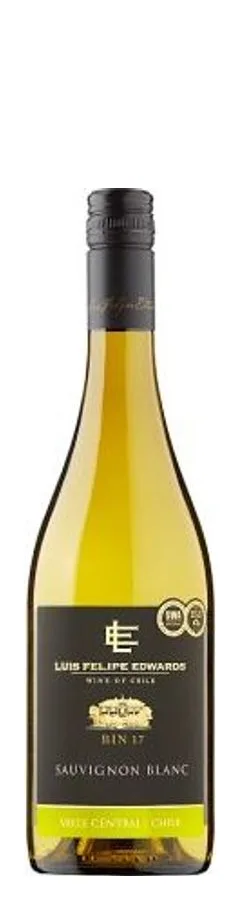
Sauvignon BlancCentral Valley Chile202612.5%

Cabernet SauvignonValle Central12.5%

MerlotValle Central12.1%

Merlot Cabernet Sauvignon SyrahRapel Valley202214%

CarménèreCasablanca Vally202413.5%

Malbec12.5%

ChardonnayLimarí Valley12.7%


Cabernet Sauvignon

Chardonnay Pedro XimenezCentral Valley Chile202513.5%
Colchagua Valley wine suits grilled meat, peppers, pulses and mature cheese because its reds combine ripe fruit, savoury herbs and substantial tannin.
Large inland reds need food with fat or slow-cooked depth. Coastal wines can take lighter dishes. Very sweet barbecue sauce makes a dry tannic red feel harder, which is an avoidable disagreement.
Colchagua Valley is not one warm red-wine region because its vineyards cross Andean foothills, a central plain, the Coastal Range and sites close to the Pacific.
The old export image was built on ripe Cabernet Sauvignon, Carménère and Syrah from inland vineyards. These remain central and often excellent. Warmth is an asset when grapes retain acidity and the tannins ripen evenly.
The western expansion changes the answer. Granite hills, wind, fog and cooler temperatures around Lolol, Marchigüe, Pumanque and Paredones support fresher reds and some convincing whites. A coastal site is not automatically superior, but it makes a different set of decisions possible.
Labels carrying “Costa”, “Entre Cordilleras” or “Andes” can help locate the fruit. Named areas such as Apalta, Los Lingues or Paredones offer greater precision. None is a formal ranking of quality.
Colchagua Valley is best known for ripe red wines based on Cabernet Sauvignon, Carménère and Syrah. Apalta is its most celebrated smaller origin.
Colchagua Valley is the southern part of the broader Rapel Valley. Cachapoal forms Rapel’s northern half.
Apalta is a recognised wine area within Colchagua Valley near Santa Cruz. Its hillsides and varied exposures are associated with structured, complex red blends.
Colchagua wine is often full-bodied inland, but cooler western sites produce fresher Syrah, lighter reds and some white wine. Exact origin matters more than the broad regional stereotype.
Young Colchagua Cabernet, Syrah and red blends often benefit from 30-60 minutes of air. Softer Carménère and mature bottles may require less.
Balanced Colchagua Cabernet, Carménère, Syrah and blends can age well for a decade or longer. Fruit-led everyday wines are made for earlier drinking.
Colchagua Valley wine offers good value across many styles, although famous sites and ambitious oak ageing raise prices. Look for freshness and clear origin rather than weight as a substitute for seriousness.
A beginner should compare an inland Carménère or Cabernet with a cooler-site Syrah. The pair reveals both the region’s established strength and its wider modern range.
Colchagua Valley wine is worth buying for generous reds that increasingly show where their fruit grew.
Avoid bottles in which ripeness, sweet oak and alcohol crowd out freshness. The best Colchagua keeps its appetite but gains proportion. Apalta deserves attention, yet the western hills may provide the more interesting correction to the old story.