


Casillero del Diablo Chardonnay 75cl
Chardonnay12.5%
£8.44

Bright sun, cold nights and Syrah with its edges intact.
Chile
The Elqui River carries water west through a valley better known for pisco, papaya and clear night skies. Vineyards occupy a thin agricultural corridor between dry mountains. By late afternoon the heat has been emphatic; after sunset the temperature drops and Syrah begins to make sense.
Elqui is often described through altitude, sometimes as if the largest number wins. The useful story is the rapid movement from a cool coast through Vicuña and Paihuano into high, intensely bright Andean sites. Each changes ripening, water demand and flavour.
Peppery Syrah gives Elqui its strongest fine-wine identity. Sauvignon Blanc, Pedro Jiménez, Malbec and Mediterranean varieties widen the range. The valley’s striking geography should clarify those differences rather than substitute for them.



 and more, live from leading UK retailers
Elqui Valley wine comes from a narrow northern Chilean valley where aridity, altitude and Pacific air create fresh whites and aromatic, peppery reds.
The valley begins near La Serena on the coast and follows the Elqui River inland through Vicuña and Paihuano. Rain is scarce, so irrigation is essential. Coastal sectors receive fog and cool air, while inland vineyards face stronger sun and a larger day-night temperature range.
Syrah is the leading fine-wine grape, producing blackberry, violet, pepper and olive flavours. Sauvignon Blanc can be citrus-led and herbal. Pedro Jiménez, Moscatel and Torontel reflect the pisco economy, while Malbec, Carménère, Grenache and other warm-climate grapes suit selected inland sites.
Altitude can preserve acidity and aroma, but intense ultraviolet light and limited water create their own risks. Vineyard orientation, canopy cover and harvest date matter. Elqui’s best wines taste energetic rather than merely elevated.
Elqui Valley wine commonly tastes of blackberry, violet, pepper and herbs in reds, with citrus, pear and flowers in whites.
Syrah can be dark-fruited yet fragrant, with pepper, olive and firm acidity. Warmer sites give more weight; cooler or higher sites emphasise perfume and savoury detail.
Sauvignon Blanc is brisk and herbal, while Pedro Jiménez can produce light, floral, pear-scented dry wine. Malbec and Mediterranean blends bring plum, spice and softer tannin. Excessive sun exposure can dry the fruit before flavour and tannin align.
Elqui Valley wine comes from vineyards along the Elqui River between the Pacific coast at La Serena and high Andean valleys inland.
Elqui’s grape economy developed around pisco and aromatic varieties. Fine table-wine investment expanded later, led by growers testing Syrah and Sauvignon Blanc across the valley’s altitude range.
Chardonnay12.5%

Shiraz / SyrahMaipo Valley14.2%
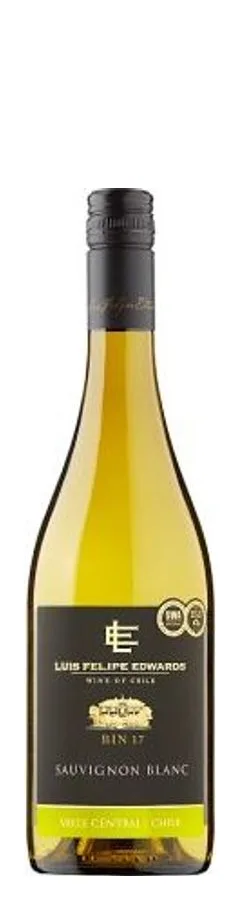
Sauvignon BlancCentral Valley Chile202612.5%

Cabernet SauvignonValle Central12.5%

MerlotValle Central12.1%

Merlot Cabernet Sauvignon SyrahRapel Valley202214%

CarménèreCasablanca Vally202413.5%

Malbec12.5%

ChardonnayLimarí Valley12.7%


Cabernet Sauvignon

Chardonnay Pedro XimenezCentral Valley Chile202513.5%
Elqui Valley wine pairs with lamb, grilled vegetables, seafood and spiced dishes because its wines combine ripe fruit with pepper and acidity.
Peppery Syrah works particularly well with smoke and lamb. Fresh whites handle citrus and seafood. Keep the chilli moderate if the wine is high in alcohol.
Elqui Valley wine is shaped by altitude, but coast, river, exposure and irrigation are equally important.
Higher sites receive intense sunlight and cold nights, which can preserve acidity and aroma while building ripe flavour. They also face water scarcity, ultraviolet exposure and possible sunburn.
Coastal Elqui is cooler and cloudier. Mid-valley sites around Vicuña are hotter and more sheltered. A useful label names the valley and, where possible, the area or vineyard. A large altitude figure without that context is measurement presented as explanation.
Elqui Valley is best known for peppery, aromatic Syrah. Sauvignon Blanc and dry wines from traditional pisco grapes also matter.
Elqui Valley is arid and sunny, but coastal air, elevation and cold nights cool particular sites. It contains several climates rather than one simple category.
Elqui wine is fermented grape wine, while pisco is a distilled grape spirit. The two share vineyards and traditional aromatic varieties.
Elqui Syrah commonly tastes of blackberry, violet, black pepper, herbs and olive. Style changes with altitude and distance from the coast.
Elqui Syrah is best around 14-17°C. Lighter coastal versions can be served at the cooler end of that range.
Structured Elqui Syrah and Malbec can age for several years, while the freshest whites are generally better young. Balance matters more than altitude.
Elqui wine often costs more than broad Central Valley bottles because production and UK availability are smaller. The best value comes from clear regional character rather than rarity alone.
A beginner should start with Syrah, then try Sauvignon Blanc or dry Pedro Jiménez. These wines show both the fine-wine and pisco-grape sides of Elqui.
Elqui Valley wine is worth buying for Syrah with perfume and pepper, plus whites that turn aridity into freshness rather than weight.
Some bottles overstate altitude or arrive softened by ripeness and oak. The best show why the valley is more than a dramatic cross-section of Chile: its grapes retain shape under conditions that could easily remove it.