


Casillero del Diablo Chardonnay 75cl
Chardonnay12.5%
£8.44

Limestone, cloud and Chardonnay spared the tropical fruit treatment.
Chile
Morning cloud lies over parts of Limarí while the country beyond remains emphatically dry. It burns away, but not before slowing the start of the day. Vines then work through bright sun with water measured rather than assumed.
This is northern Chile, yet the cold Pacific and camanchaca cloud make freshness possible. Limestone and calcium-rich soils give Chardonnay its strongest regional claim, producing citrus, stone and texture rather than a compulsory parade of pineapple and oak.
Syrah, Pinot Noir, Sauvignon Blanc and Mediterranean reds add range. Limarí’s appeal is not that one soil makes every wine taste of minerals. It is that climate, water and unusually calcareous sites give growers a precise set of choices.



 and more, live from leading UK retailers
Limarí Valley wine comes from an arid northern Chilean region where Pacific cooling and limestone-rich soils produce distinctive Chardonnay and Syrah.
The valley centres on Ovalle and follows river systems through coastal and inland sectors. Rainfall is low and irrigation is essential. The cold Humboldt Current sends fog and cool air into the valley, while afternoon sun provides reliable ripening.
Marine sediments and calcareous soils are unusual by Chilean standards and especially important in selected western sites. Chardonnay can be concentrated yet firm, with lemon, grapefruit, apple and a chalky or saline impression. Lees and oak add texture when used with restraint.
Syrah commonly brings blackberry, pepper, herbs and fine tannin. Pinot Noir and Sauvignon Blanc perform in cooler areas, while Malbec, Cabernet Franc and Mediterranean varieties suit warmer inland sites. Limarí is not uniform limestone, and the soil claim should be tied to a real vineyard rather than applied across the whole valley.
Limarí Valley wine commonly tastes of citrus, apple, stone and salt in Chardonnay, with blackberry, pepper and herbs in Syrah.
Chardonnay is often the most complete regional statement. It can combine ripe citrus and stone fruit with high acidity, savoury lees texture and restrained oak. Heavy butter and toast remove much of the point.
Syrah ranges from concentrated black fruit to cooler pepper, olive and violet. Pinot Noir can be fragrant and firm, while Sauvignon Blanc is citrus-led and herbal. The best wines feel shaped by dryness, not dried out by it.
Limarí Valley wine comes from vineyards around Ovalle and its river systems, extending from Pacific-facing terraces into hotter inland valleys.
Limarí long supplied pisco and table grapes. Fine-wine development accelerated as growers mapped cooler sites and calcareous soils. Chardonnay established the valley’s clearest international identity.
Chardonnay12.5%

Shiraz / SyrahMaipo Valley14.2%
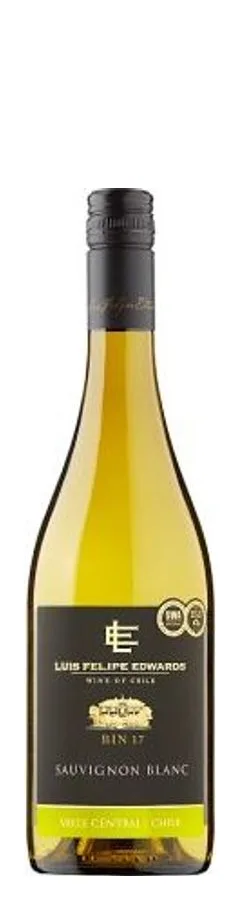
Sauvignon BlancCentral Valley Chile202612.5%

Cabernet SauvignonValle Central12.5%

MerlotValle Central12.1%

Merlot Cabernet Sauvignon SyrahRapel Valley202214%

CarménèreCasablanca Vally202413.5%

Malbec12.5%

ChardonnayLimarí Valley12.7%


Cabernet Sauvignon

Chardonnay Pedro XimenezCentral Valley Chile202513.5%
Limarí Valley wine pairs with shellfish, roast chicken, pork and mushrooms because its Chardonnay combines acidity with texture and its reds remain savoury.
Chardonnay with high acidity can handle cream and butter without becoming tiring. Peppery Syrah suits smoke. Serve both cool enough to keep their regional discipline.
Limestone helps define important Limarí vineyards, but mineral flavour is a sensory description rather than dissolved rock reaching the glass.
Calcareous soils can affect drainage, water availability and vine growth. In an arid valley, their capacity to hold some moisture can be especially useful. The resulting Chardonnay often combines concentration with acidity and a chalky, saline impression.
Climate, rootstock, irrigation, harvest date, fermentation and oak also shape the wine. “Limestone” is meaningful when the site is actually calcareous and the explanation goes beyond a white stone on the label.
Limarí Valley is best known for Chardonnay from limestone-rich, Pacific-cooled sites. Syrah is the leading red grape.
Limarí Valley is arid and sunny, but its western vineyards are cooled by Pacific air and morning cloud. Inland areas are hotter and more continental.
Camanchaca is the coastal fog or low cloud that affects northern Chile. In Limarí it moderates morning temperatures and reduces the hours of intense sun.
Some Limarí Chardonnay gives a saline or chalky sensory impression. The character varies by site and winemaking and should not be expected in every bottle.
Young, concentrated Limarí Chardonnay may benefit from 15-30 minutes of air. Simple fresh styles can go straight into the glass.
Structured Chardonnay, Syrah and selected Pinot Noir from Limarí can develop for several years. High acidity and balanced oak improve the prospects.
Limarí wine can offer good value for distinctive Chardonnay and Syrah, although small-site bottlings cost more than broad Chilean brands. Soil claims should be specific enough to justify the premium.
A beginner should start with Chardonnay, then compare it with Syrah. Those two grapes reveal the valley’s combination of northern sun and coastal restraint.
Limarí Valley wine is worth buying for Chardonnay with concentration, acidity and savoury texture, plus Syrah that retains pepper and shape.
The weakest bottles make limestone into advertising or bury the fruit beneath oak. The best taste unusually firm and fresh for northern Chile without needing the soil claim repeated at every opportunity.