


Casillero del Diablo Chardonnay 75cl
Chardonnay12.5%
£8.44

Carménère ripens slowly; Cachapoal has learnt to wait properly.
Chile
Carménère is a grape that punishes impatience. Pick it too soon and peppers overwhelm the fruit. Leave it without discipline and plum becomes jam. In western Cachapoal, warm autumns and moisture-retentive soils give the variety time to occupy the useful middle.
Peumo provides the famous name, but Cachapoal also rises east towards the Andes, where stony soils and cold night air suit Cabernet Sauvignon and Syrah. The valley forms the northern half of Rapel, with Colchagua to the south.
Cachapoal’s problem is less the quality of its wine than the hierarchy of attention. Its neighbour has the tourism and broader fame; Peumo has much of the Carménère prestige. The valley between them deserves to be read as geography, not connective tissue.



 and more, live from leading UK retailers
Cachapoal Valley wine comes from the northern half of Rapel Valley and is best known for Carménère in the west and structured reds near the Andes.
The Cachapoal River descends from the Andes and crosses the central depression towards Lake Rapel. Eastern vineyards around Requínoa and Rengo gain elevation, rocky soils and cold night air. Western areas around Peumo and Las Cabras are warmer and more sheltered.
Carménère is the regional signature. In suitable sites it gives plum, blackberry, violet, pepper and soft tannin without raw green flavour. Cabernet Sauvignon and Syrah excel in stonier, cooler eastern sectors, while Merlot, Cabernet Franc, Malbec and Petit Verdot support blends.
Cachapoal appears less often as a British buying category than Colchagua or Maipo. That can create value, but the broad label contains both generous valley-floor wine and ambitious single-site reds. Peumo is a useful clue, not the entire answer.
Cachapoal Valley wine commonly tastes of plum, blackberry, pepper and herbs, with firmer blackcurrant and tannin in Andean Cabernet.
Peumo Carménère is plush but savoury, with dark fruit, pepper and smooth tannin. Clay-rich soils and a long season help the late-ripening grape reach flavour maturity.
Alto Cachapoal Cabernet and Syrah are firmer and fresher. Cabernet brings cassis and mint; Syrah adds violet, pepper and olive. Over-ripeness or sweet oak can make the valley feel flatter than its geography.
Cachapoal Valley wine comes from vineyards along the Cachapoal River between the Andes, central plain and western reaches of Rapel.
Vineyards developed through colonial farming, nineteenth-century estates and modern export investment. Carménère’s correct identification in Chile during the 1990s gave western Cachapoal a clearer international role.
Chardonnay12.5%

Shiraz / SyrahMaipo Valley14.2%
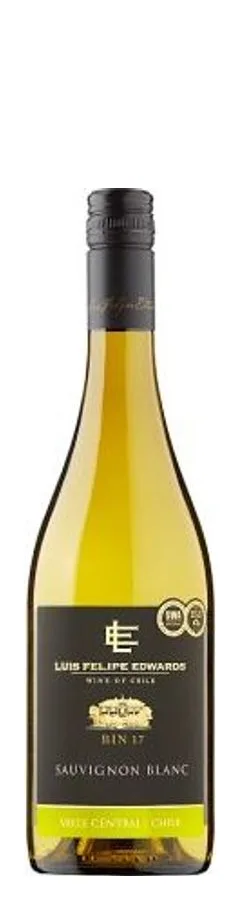
Sauvignon BlancCentral Valley Chile202612.5%

Cabernet SauvignonValle Central12.5%

MerlotValle Central12.1%

Merlot Cabernet Sauvignon SyrahRapel Valley202214%

CarménèreCasablanca Vally202413.5%

Malbec12.5%

ChardonnayLimarí Valley12.7%


Cabernet Sauvignon

Chardonnay Pedro XimenezCentral Valley Chile202513.5%
Cachapoal Valley wine pairs with peppers, grilled meat, pulses and mature cheese because Carménère and Cabernet combine ripe fruit with herbal spice.
Carménère’s pepper and herbs make it unusually useful with vegetables and earthy pulses. Cabernet requires more protein. Both improve when served below an overheated dining-room temperature.
Cachapoal is the northern part of the broader Rapel Valley, while Colchagua forms Rapel’s southern half.
Rapel can appear on broad regional blends drawing fruit from both valleys. Cachapoal gives more precise origin and includes its own smaller areas such as Peumo, Rengo and Requínoa.
Neither name is a formal quality rank. A Peumo label can be especially informative for Carménère, while Alto Cachapoal is useful for mountain-influenced Cabernet and Syrah. The closer address should explain style, not simply add syllables.
Cachapoal Valley is best known for Carménère from Peumo. Cabernet Sauvignon and Syrah from the Andean side are also important.
Cachapoal is the northern half of Rapel Valley. Colchagua is the southern half.
Peumo is a warm western area within Cachapoal strongly associated with premium Carménère. Its long season and clay-rich soils suit the late-ripening grape.
Cachapoal Carménère commonly tastes of plum, blackberry, violet, pepper and leafy herbs. Tannins are usually softer than Cabernet Sauvignon.
Young Cachapoal Cabernet, Syrah and serious Carménère may benefit from 30-60 minutes of air. Softer everyday reds need less.
Balanced Peumo Carménère, Alto Cachapoal Cabernet and structured blends can age for a decade or more. Simple wines are designed for early drinking.
Cachapoal can offer strong value because its name carries less general prestige than Maipo or Colchagua. Famous Peumo bottlings can be expensive.
A beginner should try Carménère from Peumo and Cabernet from Alto Cachapoal. The pair explains the valley’s west-east division.
Cachapoal Valley wine is worth buying for Carménère with ripe fruit and herbal definition, plus structured mountain-side Cabernet and Syrah.
The broadest bottles can be soft and anonymous. Peumo earns its fame when the wine is fresh as well as ripe. Elsewhere, the Andean side provides the firmer counterargument that keeps Cachapoal from becoming a single-grape footnote.