


Casillero del Diablo Chardonnay 75cl
Chardonnay12.5%
£8.44

Morning fog gave Chile’s whites a cooler vocabulary.
Chile
On a summer morning in Casablanca, fog can delay the sun and a jacket remains useful longer than the latitude suggests. By lunch, citrusy Sauvignon Blanc beside shellfish feels less like a Chilean exception and more like the obvious local arrangement.
Casablanca helped establish Chile’s modern cool-climate wine identity. Pacific air enters a valley west of Santiago, slowing ripening for Sauvignon Blanc, Chardonnay and Pinot Noir. What was exploratory in the 1980s became a large and recognisable source of white wine.
Success produced precision and a good deal of ordinary fruit. The regional question is no longer whether cool-climate grapes can grow here. It is which slopes, soils and harvest decisions turn freshness into flavour rather than simply acidity.



 and more, live from leading UK retailers
Casablanca Valley wine comes from a Pacific-cooled region west of Santiago that specialises in Sauvignon Blanc, Chardonnay and Pinot Noir.
The valley lies between the capital and Valparaíso within Chile’s wider Aconcagua wine region. Cold ocean water drives fog and air inland through gaps in the Coastal Range. Mornings are cool, afternoons sunnier and windy, and the growing season is longer than in warmer inland valleys.
Sauvignon Blanc produces lime, grapefruit, herbs and sometimes a salty edge. Chardonnay ranges from lean citrus-led wine to fuller styles shaped by lees and oak. Pinot Noir gives red cherry, flowers and herbs, while Syrah can be fragrant, peppery and savoury.
Soils include decomposed granite, clay, sand and alluvial material. The western end is generally cooler, while the eastern valley is warmer and more sheltered. Spring frost can be a hazard, and water supply is increasingly important.
Casablanca Valley wine commonly tastes of citrus, green fruit and herbs in whites, with red cherry, flowers and pepper in cool-climate reds.
Sauvignon Blanc is brisk and aromatic, though very early picking can leave it thin and aggressively green. Chardonnay has more breadth and benefits from lees texture or subtle oak when fruit and acidity remain clear.
Pinot Noir tends towards bright red fruit and herbal savouriness. Syrah can be one of the region’s most interesting reds, offering violet, black pepper and olive without inland weight. Sparkling wine uses the natural acidity of Chardonnay and Pinot Noir.
Casablanca Valley wine comes from a coastal corridor west of Santiago, with cooler vineyards towards the Pacific and warmer sites inland.
Commercial cool-climate planting expanded from the 1980s and helped move Chilean wine beyond warm-valley reds. Casablanca became internationally visible quickly, then faced the more mature challenge of distinguishing sites within a successful regional brand.
Chardonnay12.5%

Shiraz / SyrahMaipo Valley14.2%
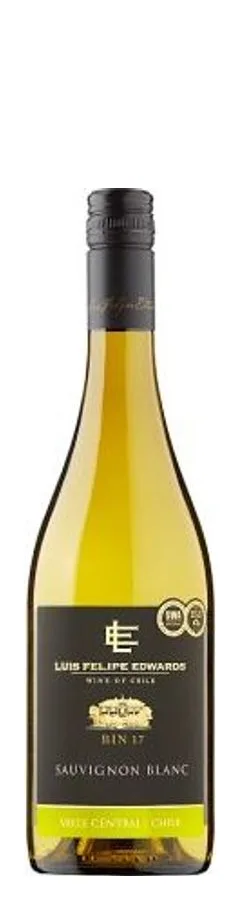
Sauvignon BlancCentral Valley Chile202612.5%

Cabernet SauvignonValle Central12.5%

MerlotValle Central12.1%

Merlot Cabernet Sauvignon SyrahRapel Valley202214%

CarménèreCasablanca Vally202413.5%

Malbec12.5%

ChardonnayLimarí Valley12.7%


Cabernet Sauvignon

Chardonnay Pedro XimenezCentral Valley Chile202513.5%
Casablanca Valley wine pairs with shellfish, fish, goat’s cheese and roast chicken because its whites combine high acidity with citrus and herbal flavour.
Sauvignon Blanc likes herbs, citrus and green vegetables; Chardonnay handles butter and roasting. Very cold serving suppresses the detail that cooler vineyards worked to preserve.
Casablanca Valley changed Chilean wine by proving that Pacific-cooled vineyards could support a major modern industry for white wine and cool-climate reds.
Chile’s export reputation had centred on reliable inland Cabernet, Merlot and Chardonnay. Casablanca gave Sauvignon Blanc, finer Chardonnay and Pinot Noir a credible regional address close to the coast.
The achievement now looks normal because it succeeded. That creates a new test. Broad regional wine can be fresh but generic, while smaller sites offer more texture and savoury detail. Casablanca no longer needs applause for being cool. It needs the same scrutiny as any established region.
Casablanca Valley is best known for Sauvignon Blanc and Chardonnay. Pinot Noir, Syrah and sparkling wine are also important.
Casablanca Valley is cool by Chilean standards because Pacific fog and wind delay warming and slow ripening. Eastern sites are warmer than the western valley.
Casablanca Valley is a subregion of Chile’s legal Aconcagua wine region. It is separate from the warmer inland Aconcagua Valley.
Casablanca Sauvignon Blanc commonly tastes of lime, grapefruit, green apple and herbs. Some examples show a saline or grassy edge.
Casablanca Chardonnay is best around 9-12°C. Fuller, oak-aged versions show more texture at the warmer end of that range.
Concentrated Chardonnay, Pinot Noir and traditional-method sparkling wine from Casablanca can age for several years. Most Sauvignon Blanc is best young.
Casablanca Valley offers good value in fresh whites, though the broadest bottles can be generic. Paying more makes sense when vineyard, soil or winemaking detail brings greater character.
A beginner should try Sauvignon Blanc and Chardonnay side by side. Pinot Noir or Syrah then shows how the same cooling influence works with red grapes.
Casablanca Valley wine is worth buying for dependable Sauvignon Blanc and Chardonnay, especially when a named site adds texture to the region’s familiar freshness.
Some entry-level wine is little more than cold fermentation and citrus. The best combines acidity with flavour and makes Pacific influence taste like more than a weather report. Syrah remains an underused route into that distinction.