


Casillero del Diablo Chardonnay 75cl
Chardonnay12.5%
£8.44

Warm mountain reds held together by cool nights.
Chile
The Aconcagua River leaves the mountains and crosses a hot inland valley on its way to the Pacific. Vines near San Felipe and Panquehue receive fierce summer sun, then cooler air after dark. Syrah or Cabernet beside grilled lamb shows the result in dark fruit, pepper and firm tannin.
The legal Aconcagua wine region is broad enough to include Casablanca and San Antonio, but the Valley of Aconcagua is a more focused inland subject. It is a red-wine place shaped by mountain water, alluvial terraces and a long east-west corridor.
Cabernet Sauvignon supplies blackcurrant and structure. Syrah brings pepper, violet and dark fruit. Carménère and Mediterranean varieties add warmth without requiring the wine to become hot. The regional achievement is not ripeness. That part is readily available. It is keeping ripeness articulate.



 and more, live from leading UK retailers
Aconcagua Valley wine comes from a warm inland Chilean valley that excels with Cabernet Sauvignon, Syrah and red blends.
The river runs from the Andes through Los Andes, San Felipe, Panquehue and Catemu towards the coast. Vineyards use meltwater and river systems for irrigation. Eastern and hillside sites gain elevation and cold night air; western areas receive more influence through gaps in the Coastal Range.
Cabernet Sauvignon can be concentrated, cassis-led and firm. Syrah is particularly important, ranging from dark and ripe to peppery and floral. Carménère, Cabernet Franc, Merlot and Petit Verdot support Bordeaux-style blends, while Grenache and Mourvèdre fit warmer, stony sites.
The name needs care. Aconcagua Region in Chilean law also contains Casablanca and San Antonio, both cool coastal wine areas. A bottle labelled Aconcagua Valley usually points to the inland river valley described here.
Aconcagua Valley wine generally tastes of blackcurrant, blackberry, violet and pepper, with full body, ripe tannin and herbal freshness.
Cabernet gives cassis, mint and firm tannin. Syrah adds blackberry, violet, pepper and olive, becoming more savoury in cooler exposures. Carménère brings plum and leafy spice.
The principal risk is over-ripeness, which can soften acidity and raise alcohol before tannin and flavour feel complete. The best wines use night cooling, suitable slopes and earlier picking to keep dark fruit mobile.
Aconcagua Valley wine comes from vineyards along the Aconcagua River between the Andean foothills and Chile’s Coastal Range.
Viticulture followed colonial settlement and expanded with nineteenth-century estates and French grapes. Modern investment established Aconcagua as a source of ambitious red wine while coastal exploration widened the legal region around it.
Chardonnay12.5%

Shiraz / SyrahMaipo Valley14.2%
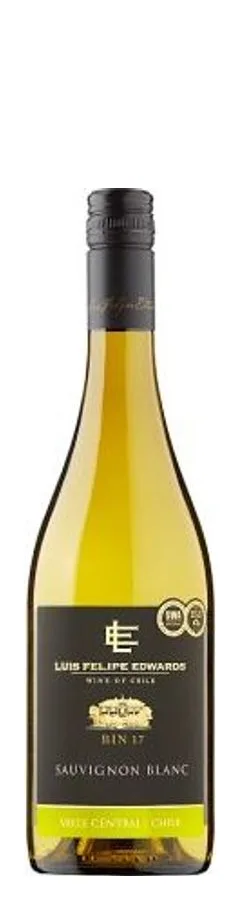
Sauvignon BlancCentral Valley Chile202612.5%

Cabernet SauvignonValle Central12.5%

MerlotValle Central12.1%

Merlot Cabernet Sauvignon SyrahRapel Valley202214%

CarménèreCasablanca Vally202413.5%

Malbec12.5%

ChardonnayLimarí Valley12.7%


Cabernet Sauvignon

Chardonnay Pedro XimenezCentral Valley Chile202513.5%
Aconcagua Valley wine pairs with grilled beef, lamb, sausages and roast vegetables because its reds combine ripe fruit, pepper and firm tannin.
Young Cabernet needs protein or earthy food. Syrah’s pepper works with smoke and lamb. Serve the reds cool enough that alcohol does not become a separate course.
Aconcagua Valley is one inland subregion within Chile’s wider legal Aconcagua wine region.
The official region also contains Casablanca Valley, San Antonio Valley and smaller coastal areas. These places can be dramatically cooler and specialise in Sauvignon Blanc, Chardonnay and Pinot Noir.
For readers, separate guides are clearer. Aconcagua Valley explains the warm inland river corridor and its reds. Casablanca and San Antonio explain Pacific-cooled wine. Their shared legal parent does not imply a shared style.
Aconcagua Valley is best known for Cabernet Sauvignon and Syrah. Carménère and Bordeaux-style blends are also important.
Aconcagua Valley is warm and dry, especially in the inland centre. Elevation, cold nights and western airflow preserve freshness in selected sites.
Casablanca Valley belongs to the wider legal Aconcagua wine region, but it is a separate Pacific-cooled subregion. Its wines are stylistically distinct from inland Aconcagua Valley.
Aconcagua Syrah commonly tastes of blackberry, violet, pepper, olive and herbs. Warmer sites give fuller fruit, while cooler exposures emphasise savoury detail.
Young Aconcagua Cabernet, Syrah and blends often benefit from 30-60 minutes in a decanter. Mature wine needs less air and more careful pouring.
Structured Aconcagua Cabernet Sauvignon, Syrah and blends can age for a decade or more. Simpler fruit-led reds are intended for earlier drinking.
Aconcagua Valley can offer good value, especially below the most famous Chilean prestige labels. Look for freshness, specific origin and oak that supports rather than dominates.
A beginner should try Syrah or Cabernet Sauvignon from a named inland area. The two grapes show the valley’s peppery and classical red-wine strengths.
Aconcagua Valley wine is worth buying for dark-fruited reds whose warmth is held together by pepper, herbs and tannin.
The least convincing bottles mistake power for completion. The best allow mountain night air and sensible picking to finish what the sun began. Syrah is often the most revealing place to start.