


Casillero del Diablo Chardonnay 75cl
Chardonnay12.5%
£8.44

Old vineyards, light hands and no requirement to look ancient.
Chile
A jug of young red on a kitchen table can tell more truth about Itata than a reverent photograph of a twisted vine. The wine may be pale, slightly cloudy, full of red fruit and made to accompany bread, pork or whatever lunch has managed to become. It belongs to use before display.
Itata’s old bush vines, granite hills and dry farming are real and important. So are the families who maintained them when the wider industry valued volume, international grapes and irrigated plains. The modern revival did not discover an empty valley. It found an existing wine culture and a market newly prepared to admire it.
Cinsault, País and Moscatel de Alejandría lead the most distinctive bottles. Some are bright and direct, others structured or skin-fermented. Minimal intervention can preserve character; it can also preserve faults. The valley asks for respect, which includes tasting the wine rather than applauding its biography.



 and more, live from leading UK retailers
Itata Valley wine comes from an old southern Chilean region where dry-farmed bush vines produce distinctive Cinsault, País and Moscatel-based wines.
The valley lies in Ñuble, south of Maule, across rolling land between the Coastal Range and central depression. It receives more rain than the central valleys, allowing many established hillside vineyards to grow without irrigation. Granite-derived soils, clay and quartz are widespread, though river and volcanic influences add variation.
País arrived during the colonial period and became part of local wine and farming. Moscatel de Alejandría supplies aromatic white wine and often appears in mixed vineyards. Cinsault, introduced later, found a strong regional identity in the coastal hills around Guarilihue and neighbouring areas, producing fragrant red wine with modest weight and lively acidity.
Traditional pipeño is a young, often minimally handled wine associated with local consumption and large wooden containers. Modern producers also make precise bottled Cinsault, structured País, skin-contact Moscatel and traditional-method sparkling wine. The categories overlap, but authenticity is not measured by cloudiness.
Interest in old vines has helped preserve vineyards and raise prices for fruit. It has also created the risk of outsiders treating growers as picturesque suppliers. The most convincing regional progress gives local farming more economic agency and puts the vineyard name, grower and wine quality into the same sentence.
Itata Valley wine commonly tastes of raspberry, sour cherry, flowers, herbs and earth, while Moscatel brings orange, grape and floral aromas.
Cinsault is often pale, perfumed and supple, with red berries, flowers, herbs and fine tannin. Low extraction and restrained oak suit its natural shape. More concentrated old-vine versions can carry greater savoury depth without becoming heavy.
País ranges from juicy, earthy pipeño to firmer reds with sour cherry, leather, herbs and noticeable tannin. Carbonic or semi-carbonic fermentation can emphasise fruit, while traditional or longer maceration gives more grip. Neither method owns the grape.
Moscatel de Alejandría smells of orange blossom, grape, apricot and citrus peel. Dry white, skin-contact and blended versions may add tea-like texture and bitterness. Faulty volatile or mousey wine is not an expression of granite. It is simply faulty wine, even if the vineyard is older than the excuse.
Itata Valley wine comes from rolling vineyards in Chile’s Ñuble region, especially dry-farmed coastal hills around the Itata River and its tributaries.
Spanish settlement established viticulture in the sixteenth century, and Itata supplied local, religious and commercial markets for centuries. Industrial Chilean wine later concentrated elsewhere, but small growers continued cultivating old vines. The present revival is therefore a change in attention and value, not the resurrection of a dead region.
Chardonnay12.5%

Shiraz / SyrahMaipo Valley14.2%
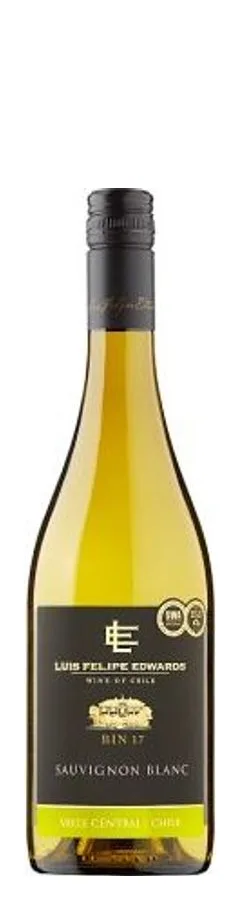
Sauvignon BlancCentral Valley Chile202612.5%

Cabernet SauvignonValle Central12.5%

MerlotValle Central12.1%

Merlot Cabernet Sauvignon SyrahRapel Valley202214%

CarménèreCasablanca Vally202413.5%

Malbec12.5%

ChardonnayLimarí Valley12.7%


Cabernet Sauvignon

Chardonnay Pedro XimenezCentral Valley Chile202513.5%
Itata Valley wine pairs with pork, charcuterie, beans, mushrooms and oily fish because its reds combine fresh acidity with earthy and herbal flavours.
Light reds should be served cool and can handle a crowded table of salty, smoky dishes. Bigger País needs more protein. Moscatel’s perfume likes spice, but searing chilli will flatten its detail.
Old-vine Itata wine is not automatically natural wine because vine age, farming method and cellar intervention describe different things.
Many Itata vineyards are old, dry-farmed, bush-trained and ungrafted. Those facts concern the plants and farming. “Natural wine” has no single binding legal definition and usually signals low-intervention production, native fermentation or limited additions.
Some producers work with very little cellar intervention; others use cultured yeast, filtration, sulphur or conventional equipment. Both can make regionally expressive wine. The useful questions concern the vineyard source, grape, farming, fermentation and stability.
An old vine can give balanced fruit at modest yields, but it cannot sterilise a dirty barrel or correct careless bottling. Itata deserves better than the suggestion that faults are the admission price for authenticity.
Itata Valley is best known for dry-farmed old-vine Cinsault, País and Moscatel de Alejandría. The region also makes pipeño, rosé, sparkling and skin-contact wine.
Itata Cinsault and pipeño are often light, but País can be firm and structured, while skin-contact whites may have substantial texture. Grape and winemaking matter.
Pipeño is a traditional Chilean young wine, historically stored and moved in large wooden containers called pipas. In Itata it is commonly based on País or local blends and intended for straightforward drinking.
Some Itata wine is made with low intervention, but the region itself is not a natural-wine certification. Producers use a range of farming and cellar methods.
Light Itata Cinsault and País are best around 11-14°C. More structured old-vine reds can be served around 15-16°C.
Concentrated, balanced Cinsault, País and skin-contact whites from Itata can develop for several years. Pipeño and the lightest reds are usually better young.
Itata wine ranges from local everyday styles to costly specialist imports. Old-vine farming and small shipments can raise UK prices, so vineyard and grower information should be clear.
A beginner should try a fragrant Cinsault and a dry Moscatel or País. The contrast shows why Itata is a wine culture rather than a single rediscovered red.
Itata Valley wine is worth buying for fragrant reds, textured whites and a regional identity rooted in continuing local farming.
The most exciting bottles are alive with fruit, acidity and savoury detail. Some are unstable, excessively volatile or sold chiefly through a compelling story. Buy the wine, not a sepia photograph of the vine. The growers who kept Itata going merit a market for excellence, not indulgence.