


Casillero del Diablo Chardonnay 75cl
Chardonnay12.5%
£8.44

Chilean Cabernet began here, then learnt to name its address.
Chile
Evening air comes down from the Andes into Santiago, cooling streets, gardens and vineyards that the city has not yet absorbed. On the table, grilled beef asks for a red with tannin, freshness and no need to introduce itself twice. Maipo Cabernet Sauvignon has answered that request for generations.
The familiar version tastes of blackcurrant, cedar and mint. The useful complication is that Maipo is not one vineyard surrounding the capital. Puente Alto and Pirque sit against the Andean foothills on stony terraces. The central valley is warmer and deeper-soiled. The western reaches turn towards the Coastal Range.
Reputation brought Maipo prestige, but urban growth has made its best land vulnerable. A bottle carrying a more precise origin can therefore describe both flavour and survival. Cabernet remains the headline. The address now deserves equal billing.



 and more, live from leading UK retailers
Maipo Valley wine comes from the historic vineyards around and south of Santiago and is best known for Cabernet Sauvignon grown between the Andes and Coastal Range.
Maipo belongs legally to Chile’s Central Valley region, but its own geography is an east-west sequence. In the east, vineyards rise towards the Andes and sit on old river terraces built from gravel, stones, sand and silt. The middle contains deeper alluvial soils and warmer conditions. To the west, gaps and slopes towards the Coastal Range introduce different soils and greater Pacific influence.
Cabernet Sauvignon established Maipo’s international reputation. The classical profile combines blackcurrant and plum with mint, tobacco, cedar and firm tannin. Carménère, Merlot, Cabernet Franc, Petit Verdot and Syrah appear alone or in blends. White wine exists, but Maipo’s strongest reason for occupying shelf space remains red.
The finest eastern sites produce Cabernet with concentration and freshness rather than weight alone. Puente Alto and Pirque are the celebrated names, but precision is not confined to them. Buin, Isla de Maipo, Talagante and the western areas broaden the picture and help explain why a broad Maipo label can contain several different wines.
Santiago’s expansion is not background scenery. Housing, roads and industry compete with vineyard land, particularly on well-drained sites close to the city. Surviving vineyards carry agricultural history, but age and scarcity still require good farming and good wine to make the argument complete.
Maipo Valley wine typically tastes of blackcurrant, plum, herbs and cedar, with firm tannin and fresher structure in the Andean foothills.
Cabernet Sauvignon from stony eastern terraces can be compact and ageworthy, with cassis, graphite, herbs and a clear tannic frame. Oak may add cedar and spice. Well-judged examples keep the fruit in front of the barrel.
Warmer central sites tend towards riper plum and blackberry, softer acidity and broader texture. Carménère adds dark fruit, pepper and leafy spice, while Cabernet Franc can bring perfume and freshness. Under-ripe fruit tastes raw and green; excessive ripeness turns the same grapes heavy. Maipo’s best wines avoid both complaints.
White wines are a smaller part of the region. Sauvignon Blanc and Chardonnay from cooler western or elevated sites can offer citrus and stone fruit, though coastal regions usually provide a more distinctive Chilean address for these grapes.
Maipo Valley wine comes from vineyards extending from the Andean foothills across the Santiago basin towards the Coastal Range.
Spanish colonists planted vines around Santiago, but the nineteenth century brought French varieties and estate development that shaped modern Maipo. Cabernet Sauvignon became central to Chile’s export identity during the late twentieth century. More recent soil mapping and smaller origin claims have made the old regional name more informative.
Chardonnay12.5%

Shiraz / SyrahMaipo Valley14.2%
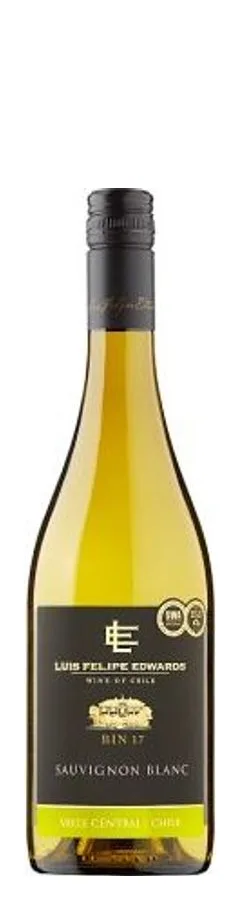
Sauvignon BlancCentral Valley Chile202612.5%

Cabernet SauvignonValle Central12.5%

MerlotValle Central12.1%

Merlot Cabernet Sauvignon SyrahRapel Valley202214%

CarménèreCasablanca Vally202413.5%

Malbec12.5%

ChardonnayLimarí Valley12.7%


Cabernet Sauvignon

Chardonnay Pedro XimenezCentral Valley Chile202513.5%
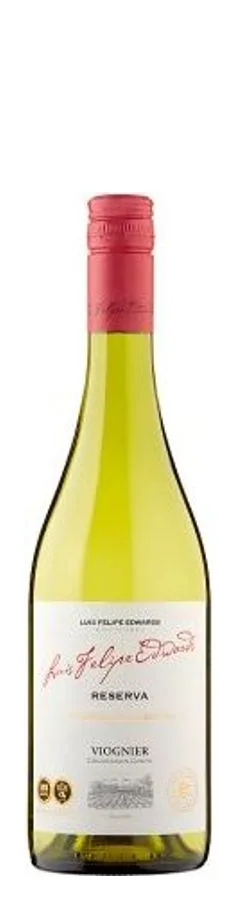
Maipo Valley wine pairs best with grilled meat, slow-cooked beef, mushrooms and mature cheese because its Cabernet-led reds combine fruit, herbs and tannin.
Protein softens young Cabernet tannin, while mushrooms and lentils meet its savoury side. Serve serious reds below a warm room temperature so their fruit, herbs and tannin remain distinct.
Maipo Andes, Entre Cordilleras and Costa identify broad east-west climatic positions within the valley rather than quality ranks.
“Andes” indicates fruit from the mountain-influenced eastern side. Cold night air, elevation and stony alluvial terraces commonly support fresher, more structured reds.
“Entre Cordilleras” means between the mountain ranges and covers the warmer central depression. This is the broad agricultural heart of Maipo, capable of both large-volume wine and serious site-specific reds.
“Costa” indicates Pacific influence towards the west. Cooler conditions favour white grapes, Pinot Noir and more restrained red styles. The legal terms help locate the fruit, but they do not replace a named area such as Puente Alto or the producer’s decisions.
Maipo Valley is best known for Cabernet Sauvignon. The most celebrated examples come from stony Andean foothill sites around Puente Alto and Pirque.
Maipo Valley wine is predominantly red, especially Cabernet Sauvignon and Bordeaux-style blends. Smaller amounts of Sauvignon Blanc, Chardonnay, Pinot Noir and rosé are also made.
Alto Maipo is the Andean foothill section of Maipo Valley. Its gravelly terraces and cooler nights are strongly associated with structured, ageworthy Cabernet Sauvignon.
Maipo Valley is legally a subregion of Chile’s Central Valley wine region. It lies around Santiago and extends from the Andes towards the Coastal Range.
Young, structured Maipo Cabernet Sauvignon often benefits from 30-60 minutes in a decanter. Mature bottles should be poured carefully and given less air.
Well-balanced Maipo Cabernet Sauvignon and red blends can age for a decade or more. Simple fruit-led wines are usually best within a few years of release.
Maipo Valley wine can offer good value from accessible Cabernet to serious cellar-worthy bottles. Prestige at Puente Alto raises prices, so greater geographical detail should bring genuine character with it.
A beginner should start with a Cabernet Sauvignon carrying a clear Maipo or Alto Maipo origin. Carménère or a Cabernet-led blend then shows how the region handles softer tannin and herbal spice.
Maipo Valley wine is worth buying for Cabernet Sauvignon with ripe fruit, herbal definition and a structure that can handle both dinner and time.
The broadest bottles can be competent but anonymous, and heavy oak still conceals some expensive fruit. Look for balance first and a more precise origin second. Maipo’s reputation is deserved when the wine tastes of a vineyard near mountains, not merely of an established brand near Santiago.