


Casillero del Diablo Chardonnay 75cl
Chardonnay12.5%
£8.44

Old vines matter here because farming kept them alive.
Chile
In the dry hills west of Chile’s irrigated plain, an old bush vine does not look picturesque for anyone’s benefit. Its trunk is thick, its arms irregular, and its crop depends on winter rain held in clay and weathered granite. Nearby, wheat, animals and fruit trees may share the same agricultural life.
Maule contains this landscape, but it also contains broad irrigated vineyards producing familiar Cabernet Sauvignon, Merlot and Carménère. Treating the whole valley as a heritage reserve would be as inaccurate as treating it as a bulk-wine tank.
País and old-vine Carignan have returned attention to Cauquenes, San Javier and the Secano Interior. Their value lies in acidity, flavour and a living network of growers, not in age as an automatic certificate. Maule is compelling because two wine economies occupy the same map and increasingly have to acknowledge one another.



 and more, live from leading UK retailers
Maule Valley wine comes from a large, historic central Chilean region that produces both commercial varietal wine and distinctive bottles from old dry-farmed vines.
The Maule River crosses a broad territory from the Andes to the Pacific. Irrigated alluvial plains support Cabernet Sauvignon, Merlot, Carménère, Sauvignon Blanc and other widely planted grapes. The Coastal Range and interior drylands contain poorer granite-derived soils, clay and older vineyards that rely more heavily on winter rainfall.
País arrived during the colonial period and remains embedded in local farming. Carignan was widely planted during the twentieth century, particularly after the destructive 1939 Chillán earthquake encouraged vineyard renewal. Cinsault, Moscatel de Alejandría, Torontel, Semillon and mixed plantings add further history that tidy single-variety labels can conceal.
Old-vine Carignan helped change Maule’s reputation. Its acidity and firm tannin suit the warm, dry conditions and can produce sour-cherry, dark-fruited, herbal reds with real length. VIGNO, a producer association, created shared standards for Carignan-led wines from qualifying old, dry-farmed bush vines in Maule.
The revival has not removed economic pressure on growers or erased large-volume production. Maule should be judged vineyard by vineyard. A low-yielding old vine may be culturally valuable and still produce ordinary wine; a well-managed younger site may be excellent. Vine age and farming history do not remove the need to judge wine quality.
Maule Valley wine ranges from ripe black-fruited Cabernet to vivid old-vine reds tasting of sour cherry, herbs, earth and flowers.
Carignan is the structural voice: sour cherry, blackberry, herbs, bright acidity and firm tannin. Old vines can provide concentration without excessive ripeness when yields and harvest dates are sensible. Oak should soften edges, not replace the hillside with vanilla.
País is more variable. It can make pale, juicy wine with strawberry, earth and herbs, darker old-vine reds, rosé, sparkling wine and pipeño, a traditional young local style. Cinsault adds perfume and supple red fruit. Field blends may combine several varieties whose exact composition reflects the vineyard rather than a marketing meeting.
Cabernet Sauvignon, Carménère and Merlot from irrigated areas tend to be fuller and darker-fruited. Some are straightforward and inexpensive; others gain freshness from foothill or coastal sites. Aromatic old white grapes can make floral, textured dry or skin-contact wine as well as traditional sweet styles.
Maule Valley wine comes from central Chile between the Coastal Range and Andes, with important differences between irrigated plains, river valleys and dry-farmed western hills.
Vines arrived with Spanish settlement and became part of mixed farming and local consumption. French varieties, irrigation and industrial expansion later transformed the valley. The current revival reconnects commercial wine with growers and old vineyards that never disappeared, although the financial benefits are not automatically shared evenly.
Chardonnay12.5%

Shiraz / SyrahMaipo Valley14.2%
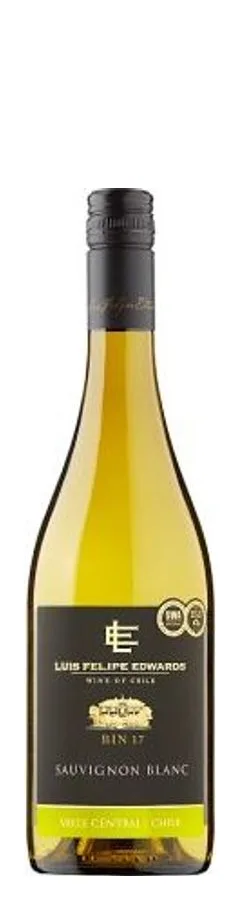
Sauvignon BlancCentral Valley Chile202612.5%

Cabernet SauvignonValle Central12.5%

MerlotValle Central12.1%

Merlot Cabernet Sauvignon SyrahRapel Valley202214%

CarménèreCasablanca Vally202413.5%

Malbec12.5%

ChardonnayLimarí Valley12.7%


Cabernet Sauvignon

Chardonnay Pedro XimenezCentral Valley Chile202513.5%
Maule Valley wine pairs with grilled meat, sausages, pulses, mushrooms and rustic pies because its styles range from juicy País to tannic Carignan and Cabernet.
Lighter País and Cinsault benefit from slight chilling and suit leftovers or a picnic. Carignan wants food with fat and savoury depth. It is a practical division, which Maule has more than earned.
VIGNO and Secano Interior identify different aspects of Maule’s old-vine revival: one is a producer-led Carignan standard and the other is a legal dryland origin.
VIGNO is the collective mark of Vignadores de Carignan. Its rules centre on Carignan-led wine from old, dry-farmed bush vines in Maule, with regional origin and ageing requirements set by the association. It is not a rung above Chilean DO in national law.
Secano Interior is a special denomination recognised by Chilean regulation. It applies to País or Cinsault from named interior dry-farmed areas and communes. The term “secano” means dryland and refers to reliance on rainfall rather than summer irrigation.
“Old vine” has no single national age threshold. A credible label or merchant description should identify the vineyard, planting history and farming. VIGNO supplies more rules for Carignan; Secano Interior supplies legal geography for País and Cinsault. Neither guarantees that the bottle is delicious, but both provide more evidence than an elderly-looking typeface.
Maule Valley is best known for old-vine Carignan and País, alongside substantial production of Cabernet Sauvignon and Carménère. Its diversity is part of the regional identity.
VIGNO is a producer-led category for Carignan-based wine from qualifying old, dry-farmed bush vines in Maule. VIGNO is not a national Chilean quality tier.
Secano Interior is a special Chilean origin for País or Cinsault from specified rain-fed interior areas. The term identifies defined dry-farming geography rather than a general rustic style.
País is the Chilean name for the grape known elsewhere as Mission, Listán Prieto or Criolla Chica. In Maule it makes light reds, structured old-vine wines, rosé and sparkling styles.
Light Maule País and Cinsault are enjoyable around 12-14°C. Structured Carignan, Cabernet and Carménère are better around 15-17°C.
Balanced old-vine Carignan, Cabernet Sauvignon and serious blends from Maule can age for a decade or more. Simple pipeño and juicy País are intended for earlier drinking.
Maule Valley can offer excellent value, particularly from less famous grapes and origins. Small-production old-vine wines cost more because farming and supply are limited, but age alone should not set the price.
A beginner should compare a fresh País with a structured Carignan. The contrast explains Maule’s old-vine range more clearly than another anonymous Central Valley Cabernet.
Maule Valley wine is worth buying when the bottle identifies both the grape and the farming landscape behind it.
The strongest wines from old País, Carignan, Cinsault and mixed vineyards can be among Chile’s most individual. The weakest use vine age as atmosphere or turn warm fruit into weight. Maule deserves attention without charity. Its best growers have already done the difficult part.