


Hunter's Pinot Noir 2024
Pinot NoirMarlborough
£23.00

Limestone, cold air and no permission to exaggerate either.
New Zealand
The Waitaki River runs from the Southern Alps towards the Pacific through a valley where autumn can be long and harvest decisions cannot be casual. A glass of Chardonnay tastes of lemon, apple and savoury lees. Beside it, Pinot Noir is pale, fragrant and more interested in herbs than muscle.
Waitaki sits between North Canterbury and Central Otago without behaving as a compromise between them. It is cooler and more maritime than Central Otago, with limestone-bearing slopes and river gravels that distinguish it from much of neighbouring Canterbury.
The vineyards are few and the wines scarce. That explains brevity and price, not quality. Waitaki’s regional identity is precise: fine-boned Pinot Noir, Chardonnay and aromatic whites from a long, cool season.


 and more, live from leading UK retailers
Waitaki Valley wine comes from a small, cool South Island GI formally registered as Waitaki Valley North Otago / Waitaki Valley and following the river corridor towards the Pacific.
An ancient seabed uplifted along a geological fault created limestone-bearing north-facing slopes. Former riverbeds add greywacke, schist, limestone gravel and other stony deposits. These soils drain freely and can reflect heat in a region with modest warmth.
The valley is sheltered from much western rain by the Southern Alps, but its eastern end remains influenced by the Pacific. Summers can be warm enough for ripening, while long autumns help flavours develop. Frost and seasonal variation remain material risks.
Pinot Noir leads, commonly producing red cherry, raspberry, herbs and fine tannin. Chardonnay brings citrus, apple, flowers and savoury texture. Riesling and Pinot Gris retain marked acidity and aromatic detail.
Waitaki is often described through marginality and limestone. Neither guarantees good wine. Cool fruit must still reach flavour ripeness, and geology must operate through vine growth rather than label poetry.
Waitaki Valley wine commonly tastes of red cherry, raspberry and herbs in Pinot Noir, with citrus, apple, pear and flowers in its whites.
Pinot Noir is fine-bodied and aromatic, with red fruit, herbs and fine-grained tannin. Cooler seasons may sharpen acidity or leave flavour too slight, making vintage and producer especially important.
Chardonnay is citrus-led with apple, flowers and restrained lees or oak. Riesling adds lime and floral intensity. Pinot Gris can show pear, citrus, ginger and spice without losing freshness.
Waitaki Valley wine comes from vineyards along the Waitaki River and its tributaries, including Kurow and Hakataramea, near the boundary between Canterbury and Otago.
Modern vineyard development began around the turn of the twenty-first century as growers investigated the limestone slopes and long season. Plantings have remained small and some projects have changed hands or contracted. The wines therefore have a clear emerging identity without a long record that justifies sweeping claims.
Pinot NoirMarlborough

RieslingWaipara14%

Pinot NoirMarlborough13.6%

Pinot GrigioMarlborough202513%

Pinot NoirMarlborough13%

ChardonnayHawke's Bay202313.5%
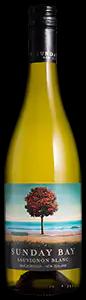
Sauvignon BlancMarlborough

Sauvignon Blanc


ChardonnayMarlborough11.6%

Sauvignon BlancMarlborough


Waitaki Valley wine pairs with salmon, roast chicken, mushrooms and soft cheese because its styles combine light body with high acidity and savoury flavour.
The wines’ acidity handles cream, smoke and oily fish. Serve Pinot Noir cool and avoid very sweet sauces that overwhelm its light frame.
Waitaki limestone shapes drainage, water availability and root environment, but it does not guarantee a mineral flavour or superior wine.
The valley contains uplifted marine limestone as well as mixed river gravels. That geological distinction is real and helps separate Waitaki from schist-dominated Central Otago.
Taste still depends on season, exposure, vine balance, harvest date and winemaking. High acidity can feel stony or saline to a taster, but those descriptions are sensory interpretations rather than dissolved geology.
Limestone is therefore useful evidence about place. It becomes unhelpful when scarcity and a pale label ask it to complete the wine before the cork is pulled.
Waitaki Valley is best known for fine-boned Pinot Noir, Chardonnay, Riesling and Pinot Gris. The wines usually have high acidity and restrained fruit.
Waitaki Valley is a separate registered GI formally named Waitaki Valley North Otago / Waitaki Valley. It is cooler and more maritime than much of Central Otago.
Waitaki Pinot Noir commonly tastes of red cherry, raspberry, wild herbs, pepper and earth. It is usually light to medium-bodied with fine tannin.
Waitaki contains uplifted marine limestone on slopes beside mixed river gravels. The geology affects vine growth but does not guarantee one mineral taste.
Waitaki Pinot Noir is best around 13-15°C. Slight chilling preserves its delicate red fruit and herbs.
Balanced Waitaki Pinot Noir and Chardonnay can age for several years, while Riesling may develop for longer. The region’s small production limits broad conclusions.
Waitaki wine works with salmon, roast chicken, smoked trout, mushrooms, leeks and soft cheese. Its high acidity suits creamy and oily dishes.
Waitaki wine is hard to find because the vineyard area and number of producers are very small. Limited supply explains availability, but it should not replace a judgement of quality.
Waitaki Valley wine is worth buying for Pinot Noir and Chardonnay with delicacy, high acidity and a genuinely distinct position between mountains and sea.
The risks are under-ripeness, sharpness and prices inflated by scarcity. Buy when the fruit has flavour and the wine has length. Waitaki needs no larger claim than that.