


Casillero del Diablo Chardonnay 75cl
Chardonnay12.5%
£8.44

Rain returns, seasons vary and acidity stops needing encouragement.
Chile
South of Itata, rain is no longer an historical memory stored in the soil. Wind moves through Bío Bío, the growing season stretches in Malleco, and vineyards farther south must earn ripeness rather than manage an excess of it. A bowl of salmon chowder and a taut Chardonnay make a reasonable response.
Southern Chile is not one official appellation. This guide combines Bío Bío and Malleco from the legal South region with the small Austral origins of Cautín, Osorno and Chiloé. They share a reader’s problem: limited UK visibility, cool conditions and a map still changing faster than individual pages can justify.
Pinot Noir, Chardonnay, Sauvignon Blanc and aromatic whites lead the new work. País and Moscatel retain older roots farther north. The frontier language is tempting, but people already live and farm here. The relevant novelty is fine wine, not the existence of the place.



 and more, live from leading UK retailers
Southern Chile wine comes from cool, wet regions below Itata where Pinot Noir, Chardonnay and aromatic whites replace warm-valley ripeness with a longer seasonal risk.
Bío Bío is the largest and most established part, with river valleys, sandy and volcanic-influenced soils, wind and significant rainfall. It retains País and Moscatel while supporting Sauvignon Blanc, Chardonnay, Riesling and Pinot Noir.
Malleco lies farther south around Traiguén and nearby areas. Chardonnay and Pinot Noir have established the strongest fine-wine reputation, producing taut, savoury bottles in suitable seasons. Rain, frost and disease pressure require careful site selection and canopy work.
The legal Austral region now includes Cautín, Osorno and Chiloé. Production is tiny and experimental, using early-ripening grapes and sparkling styles. Rapa Nui received its own separate origin recognition in 2025 and is not part of the Austral region, despite being added through the same regulatory change.
Climate change helps explain interest in the south, but it does not make every cooler vineyard a guaranteed future success. Wet seasons, insufficient ripeness, frost and logistics remain real constraints. The wines must be judged as wine rather than weather forecasts in bottles.
Southern Chile wine commonly tastes of citrus, green apple and herbs in whites, with red cherry, cranberry and earth in Pinot Noir.
Chardonnay can be taut and citrus-led, gaining texture from lees and careful oak. Sauvignon Blanc and Riesling bring herbs, lime and flowers. High acidity is natural, but flavour still needs to ripen.
Pinot Noir is pale to medium in colour, with red fruit, earth and fine tannin. País remains lighter and more rustic in parts of Bío Bío. Sparkling wine is an obvious use for high-acid fruit, though method and time on lees determine whether the result is more than sharp fizz.
Southern Chile wine comes from Bío Bío and Malleco in the legal South region, plus Cautín, Osorno and Chiloé in the Austral region.
Bío Bío has an older local vine culture linked to País and Moscatel. Commercial fine-wine planting moved into Malleco during the late twentieth century and farther south in the twenty-first. The legal map expanded in 2025 to recognise Chiloé and Rapa Nui, although Rapa Nui stands separately from Austral.
Chardonnay12.5%

Shiraz / SyrahMaipo Valley14.2%
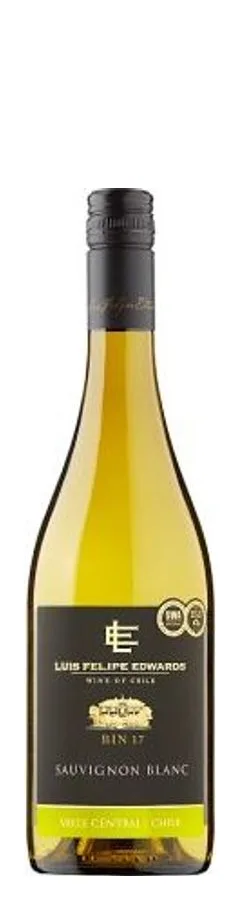
Sauvignon BlancCentral Valley Chile202612.5%

Cabernet SauvignonValle Central12.5%

MerlotValle Central12.1%

Merlot Cabernet Sauvignon SyrahRapel Valley202214%

CarménèreCasablanca Vally202413.5%

Malbec12.5%

ChardonnayLimarí Valley12.7%


Cabernet Sauvignon

Chardonnay Pedro XimenezCentral Valley Chile202513.5%
Southern Chile wine pairs with salmon, shellfish, roast chicken and mushrooms because its wines combine high acidity with restrained fruit and savoury flavours.
High acidity handles cream, smoke and oily fish particularly well. Serve the lightest Pinot Noir cool enough to preserve its red fruit and savoury detail.
Bío Bío, Malleco and Austral are combined because they form a coherent reader-facing southern sequence while individual production remains uneven and small.
Legally, Bío Bío and Malleco belong to Chile’s South wine region. Cautín, Osorno and Chiloé belong to the Austral region. Their rules and boundaries remain distinct.
Editorially, one parent guide can explain the move from Bío Bío’s mixed old and new vineyards through Malleco’s established Chardonnay and Pinot Noir to the experimental far south. It also leaves room for later child guides once Cautín, Osorno or Chiloé has enough wine, search value and independent detail to carry one without padding.
Rapa Nui is a separate protected origin and should receive its own tightly scoped page if production and reader interest justify it. It does not belong in a southern mainland guide simply because its recognition formed part of the same legal change.
Southern Chile is best known for Chardonnay and Pinot Noir from Malleco, plus aromatic whites from Bío Bío. Austral wine remains very small and experimental.
Bío Bío and Malleco are separate subregions within Chile’s legal South wine region. Malleco lies farther south and is particularly associated with Chardonnay and Pinot Noir.
The Austral wine region contains Cautín Valley, Osorno Valley and Chiloé. It represents Chile’s cool southern origin system and has very limited production.
Rapa Nui is not part of the Austral wine region. It received separate Chilean origin recognition through the 2025 regulatory change.
Southern Chile Pinot Noir is best around 12-15°C. Slight chilling preserves its red fruit and freshness.
Concentrated Malleco Chardonnay, Pinot Noir and traditional-method sparkling wine can age for several years. Many experimental wines lack enough track record for broad claims.
Warmer seasons can improve ripening opportunities in Southern Chile, but climate change also increases weather volatility and does not remove rain, frost or disease risks. Growers still need suitable sites and seasons.
Southern Chile wine has selective UK availability, mainly from Malleco and Bío Bío. Small production and specialist import costs can make the bottles relatively expensive.
Southern Chile wine is worth buying for taut Chardonnay, fragrant Pinot Noir and aromatic whites that show a genuinely different Chilean climate.
Malleco currently offers the clearest fine-wine case. Bío Bío supplies greater history and breadth. Austral is compelling but too young for sweeping verdicts. Buy the bottle because the fruit ripened into flavour, not because a latitude looked impressive in a press release.