


Hunter's Pinot Noir 2024
Pinot NoirMarlborough
£23.00

The famous Sauvignon has acquired an address book.
New Zealand
A bowl of green-lipped mussels arrives with garlic, herbs and broth. Marlborough Sauvignon Blanc is already waiting: cold, dry and aromatic enough to meet the food before the fork does. Few wine regions have made their purpose so immediately clear.
Familiarity is useful until it turns a place into a flavour setting. Marlborough is not one enormous vat of passionfruit and cut grass. The Wairau Valley moves from stony inland terraces to a cooler coast. The Southern Valleys bring more clay and much of the region’s serious Pinot Noir. The Awatere is cooler, windier and usually more herbal.
Sauvignon Blanc remains the central fact, and good examples justify the success. Chardonnay, Pinot Noir, Riesling and traditional-method sparkling wine supply the detail that mass recognition tends to conceal. Marlborough becomes more interesting when the label gets smaller than the region.


 and more, live from leading UK retailers
Marlborough wine comes from New Zealand’s largest and most internationally recognised wine region, led by Sauvignon Blanc but increasingly distinguished by subregion, site and winemaking.
The region occupies the north-east of the South Island around Blenheim, with the Richmond Ranges to the north-west and the Inland Kaikōura Range to the south. Mountain rain shadow, plentiful sunshine and cool nights help grapes build ripe flavour while retaining acidity. River systems have left gravel, silt and clay in patterns that vary substantially over short distances.
Commercial Sauvignon Blanc established Marlborough’s global identity during the 1980s. Its combination of lime, gooseberry, passionfruit and green herbs was clear, reproducible and unlike the quieter Sauvignon styles familiar from Europe. That success created an export industry and then a crowded category.
The best modern work does not reject the familiar style. It gives it precision. Earlier or later picking, skin contact, wild fermentation, barrel, concrete, lees ageing and blending across sites can change aroma and texture, but none is inherently superior to clean fermentation in steel. The useful question is whether the method suits the fruit.
Pinot Noir is particularly important on clay-bearing sites in the Southern Valleys. Chardonnay can be taut, savoury and ageworthy. Riesling ranges from dry to sweet, while Chardonnay and Pinot Noir support traditional-method sparkling wine. Marlborough has not outgrown Sauvignon Blanc. It has begun to explain where the Sauvignon came from.
Marlborough wine commonly tastes of lime, grapefruit, passionfruit and herbs in Sauvignon Blanc, with cherry and spice in Pinot Noir and citrus, stone fruit and toast in Chardonnay.
Classic Sauvignon Blanc is dry, strongly aromatic and refreshing. Wairau fruit often provides generous citrus and tropical notes. Awatere can emphasise herbs, tomato leaf and sharper acidity. Southern Valleys wines may feel broader or more textured, although producer decisions and vineyard position prevent any simple formula.
Pinot Noir typically offers cherry, plum, dried herbs and fine tannin. It is generally less dark and muscular than much Central Otago Pinot, with clay-rich hillside sites providing many of the region’s more structured examples. Rosé uses the same bright red fruit in a lighter frame.
Chardonnay can range from brisk citrus-led wine to barrel-fermented styles with peach, toast, nuts and savoury lees. Riesling brings lime, flowers and apple with high acidity, sometimes balanced by residual sugar. Traditional-method sparkling wine combines citrus and apple with bread or biscuit from time on lees.
Marlborough wine comes principally from the Wairau Valley, Southern Valleys and Awatere Valley, three broad areas with different soils, exposures and temperatures.
Māori used the Wairau landscape long before European settlement. Modern commercial viticulture expanded from the 1970s, and Sauvignon Blanc’s international success during the following decade transformed both Marlborough and New Zealand wine. Vineyard growth has made questions of water, biodiversity, labour and land use part of the region’s continuing success rather than a separate conversation.
Pinot NoirMarlborough

RieslingWaipara14%

Pinot NoirMarlborough13.6%

Pinot GrigioMarlborough202513%

Pinot NoirMarlborough13%

ChardonnayHawke's Bay202313.5%
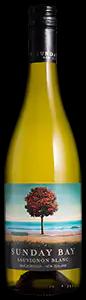
Sauvignon BlancMarlborough

Sauvignon Blanc


ChardonnayMarlborough11.6%

Sauvignon BlancMarlborough


Marlborough wine pairs with shellfish, green vegetables, goat’s cheese, poultry and mild spice because its leading styles combine strong aroma with firm acidity.
Classic Sauvignon Blanc works because acidity cuts richness while herbal flavours meet herbs and green vegetables. Very hot chilli can make high alcohol feel hotter, so choose a lower-alcohol, gently sweet Riesling when the food carries serious heat.
Marlborough’s subregions make a real difference, but they provide useful tendencies rather than guaranteed flavour profiles.
Wairau is broad and internally varied. Its inland gravel terraces, side valleys, heavier soils and coastal sectors cannot sensibly share one tasting note. Awatere has a stronger climatic distinction through wind, cool conditions and elevation. The Southern Valleys bring older, clay-rich soils and important Pinot Noir sites.
Picking date, crop level, canopy, fermentation vessel and blending can amplify or blur those differences. A producer may also blend fruit from several valleys to build consistency and complexity. Regional blending is not evidence of inferiority, and a single vineyard is not proof of quality.
For British buyers, subregion is most useful when joined by a producer with a clear style. Awatere may point towards greener, sharper Sauvignon. Southern Valleys may suggest more texture or serious Pinot Noir. Wairau may offer the classic generous fruit. Treat each name as a better question, not a final answer.
Marlborough is best known for dry Sauvignon Blanc with citrus, passionfruit, gooseberry and herbal flavours. Pinot Noir, Chardonnay, Riesling and traditional-method sparkling wine provide important alternatives.
Most Marlborough Sauvignon Blanc is dry, although a small amount of residual sugar may soften high acidity. Late-harvest and deliberately sweet examples also exist.
Wairau Sauvignon Blanc often shows generous citrus and tropical fruit, while Awatere commonly tastes more herbal, saline and sharply acidic. Vineyard and producer choices can outweigh those broad tendencies.
Marlborough is not only a Sauvignon Blanc region. Pinot Noir, Chardonnay, Riesling, Pinot Gris and traditional-method sparkling wine can all be serious regional styles.
Marlborough Sauvignon Blanc is best around 8-10°C. Serving it ice-cold suppresses aroma and texture, particularly in barrel-fermented or lees-aged examples.
Fine Marlborough Chardonnay, Pinot Noir, Riesling and traditional-method sparkling wine can age well. Serious Sauvignon Blanc may develop waxy, savoury and herbal complexity, while simple examples are usually better young.
Marlborough Sauvignon Blanc works with mussels, goat’s cheese, asparagus, herbs and fish dishes. Its acidity and green flavours are less comfortable with very sweet sauces.
Marlborough Sauvignon Blanc can offer dependable value, but the least expensive bottles may prioritise aromatic impact over texture. Spending more is worthwhile when it buys clearer subregional origin, careful farming or more complete flavour.
Marlborough wine is worth buying because its famous Sauvignon Blanc remains genuinely distinctive and its best producers now reveal far more regional detail than the broad name suggests.
The weak point is familiarity used as a production target: loud fruit, sharp acidity and little else. The answer is not to sneer at Sauvignon Blanc. Buy Wairau, Awatere or Southern Valleys with some idea of the producer’s intent, then try Chardonnay, Pinot Noir or sparkling wine. Marlborough’s first success was recognition. Its better achievement is difference.